




RELATED: MARTA police arrest 538 for fare evasion during 6-week stint
MARTA unveils new mobile command vehicle
The $1.2 million vehicle functions as a communication and command center for major sporting events, emergencies, and natural disasters.
November 7, 2017
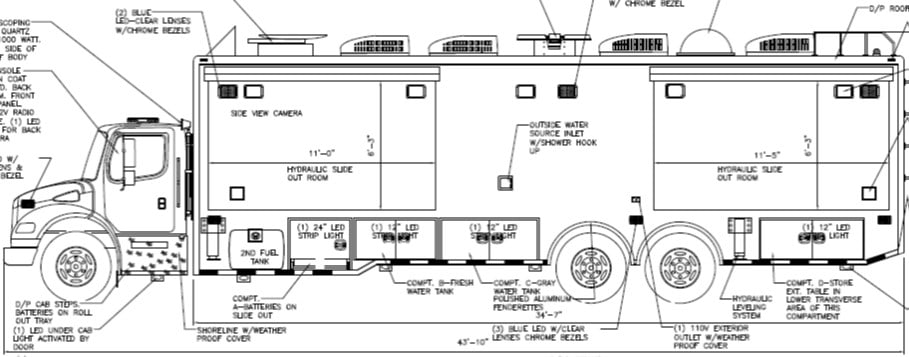
The mobile command center can operate via satellite, cellular, or direct connectivity, has a 24-hour generator, 40-foot mast and external camera views, MARTA CCTV and voice-over internet protocol, restrooms and comfortable seating for 20 people. Photo: MARTA
1 min to read
The mobile command center can operate via satellite, cellular, or direct connectivity, has a 24-hour generator, 40-foot mast and external camera views, MARTA CCTV and voice-over internet protocol, restrooms and comfortable seating for 20 people. Photo: MARTA
The Metropolitan Atlanta Rapid Transit Authority (MARTA) will dedicate its new $1.2 million mobile command vehicle on Tuesday, Nov. 14, at 1 p.m. at the Lindbergh Center Station kiss/ride lot.
The 45-foot vehicle allows the MARTA Police and Emergency Management Department to have enhanced communications and command-and-control response capabilities during any major incident affecting MARTA, such as natural disasters, security threats, and major sporting events.
The mobile command center can operate via satellite, cellular, or direct connectivity, has a 24-hour generator, 40-foot mast and external camera views, MARTA CCTV and voice-over internet protocol, restrooms and comfortable seating for 20 people. The vehicle is eligible for 100% reimbursement funding through the Federal Transit Urban Grant Program for security investments.
“This newest element to our security and emergency management program helps to maintain MARTA’s TSA Gold Standard and compliance with the National Preparedness Goal, recognizing that strategic preparedness is the best defense against all hazards,” said MARTA’s Emergency Preparedness Unit Commander Lt. Aston T. Greene.
Chief Dunham and Lt. Greene will join MARTA Interim GM Elizabeth O’Neill and Deputy GM Robert Troup at the ribbon-cutting ceremony as the Authority celebrates the culmination of five years of meticulous planning to ensure MARTA’s Police Department continues to meet or exceed the Department of Homeland Security Core capabilities, focused on transportation critical infrastructures.
More Security and Safety

Transit Agencies Highlight Safety Gains at National Summit
Leaders from 15 major transit systems shared crime-reduction results and safety initiatives while discussing the role of continued federal support.
Read More →
DART Launches Major Security, Fare Enforcement Initiative
The 90-day demonstration will deploy coordinated security teams at five light rail stations while testing controlled access and gathering data to guide future investments.
Read More →
RTD Launches NextRide App to Consolidate Trip Planning, Fares, Security Reporting
The app expands on RTD’s existing NextRide web application and allows customers to view real-time vehicle locations and service alerts, purchase and store digital fares, and access customer support.
Read More →
TAPTCO Updates OSHA Compliance Training for Transit Maintenance Operations
The revamped program addresses 26 OSHA standards for maintenance facilities, with TAPTCO pointing to training, documentation, and everyday shop hazards as continuing challenges for transit operations.
Read More →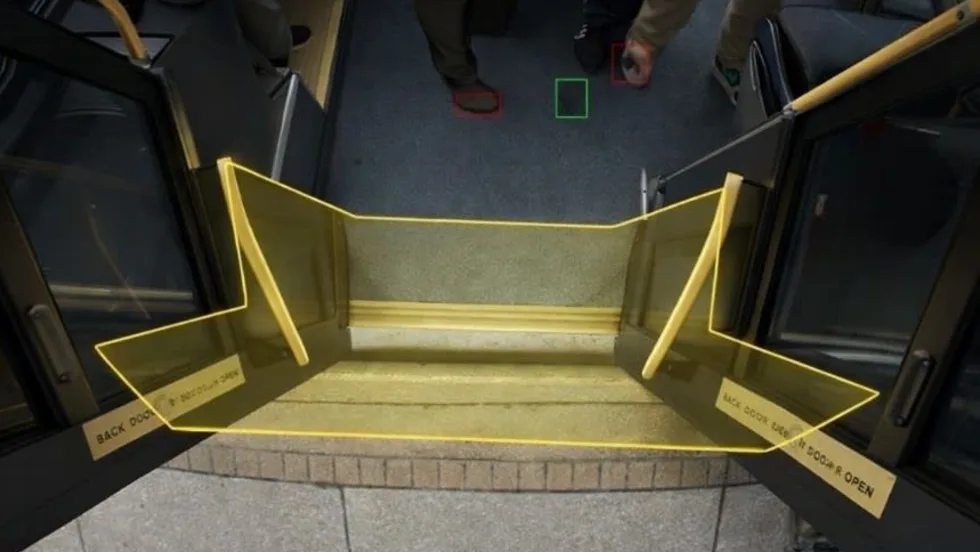
Sponsored•August 18, 2026
How VaporVision Adds Value to Transit Door Systems
Wabtec engineers explain how the system improves doorway detection, strengthens diagnostics and gives transit agencies and OEMs greater operating flexibility.
Read More →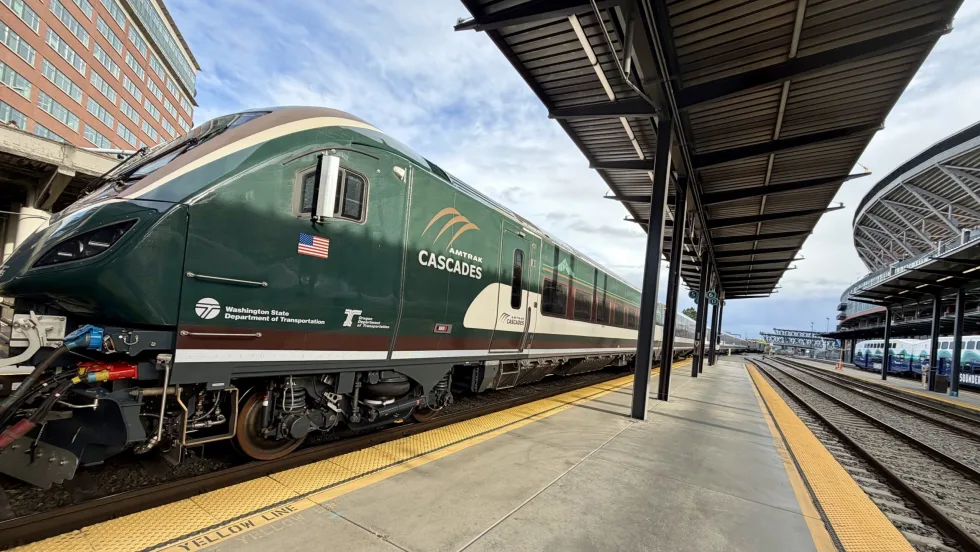
FRA Announces $5.3B in Rail Investments, Including $2B for Amtrak
Funding will support grade-crossing improvements, infrastructure upgrades, and new Amtrak equipment in 23 states.
Read More →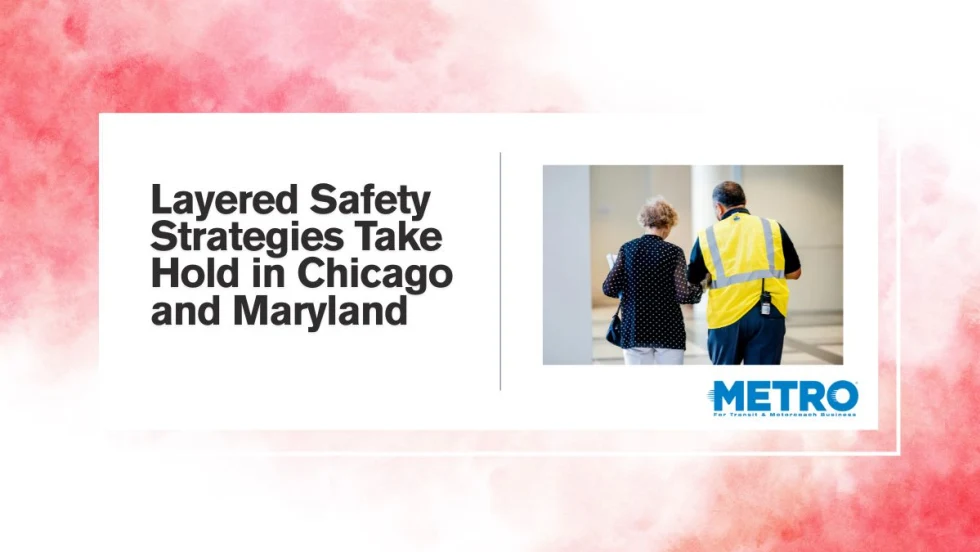
Chicago, Maryland Expand Non-Law-Enforcement Safety, Rider Support
The CTA and MTA are launching new programs aimed at de-escalation, crisis response, rider assistance, and greater transparency.
Read More →
LA Metro, City of West Hollywood, and Partners Advance Smarter Bus Lane Enforcement
The award-winning partnership combines AI-powered detection with human oversight to improve bus reliability, accessibility, and enforcement efficiency.
Read More →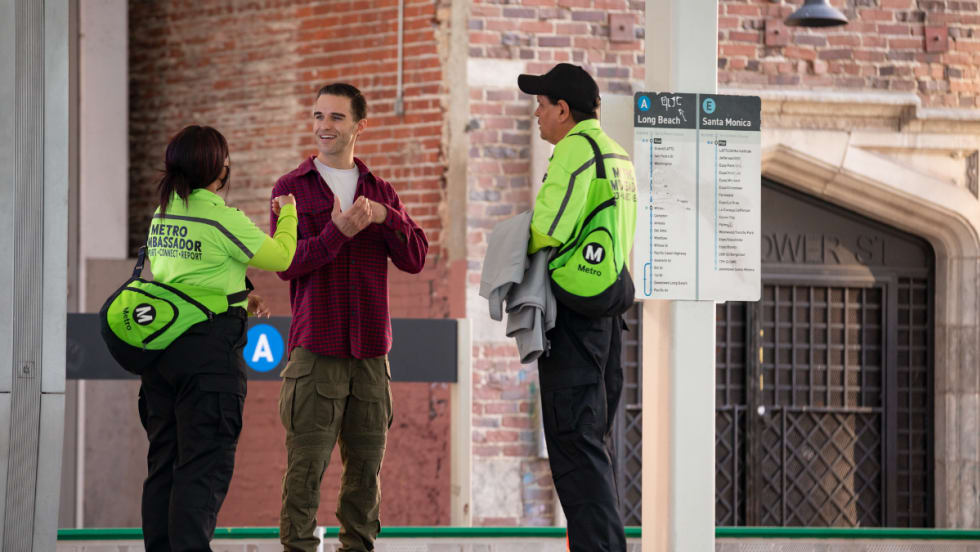
LA Metro Reports 57% Decline in Homelessness on Transit System Since 2024
The agency's latest homelessness count offers new data on how care-based services and cross-sector partnerships can complement traditional transit security strategies.
Read More →
FTA Launches 'Transit Moves America' Dashboard to Highlight Agency Safety and Performance
The online dashboard transforms National Transit Database information into a public-facing resource that allows users to compare transit agencies on key operational and safety metrics.
Read More →