May Mobility’s Rural Minnesota AV Program Hits 10K Rider Milestone
The milestone demonstrates May Mobility's ability to operate under challenging and diverse circumstances while becoming a trusted and vital resource for the community.
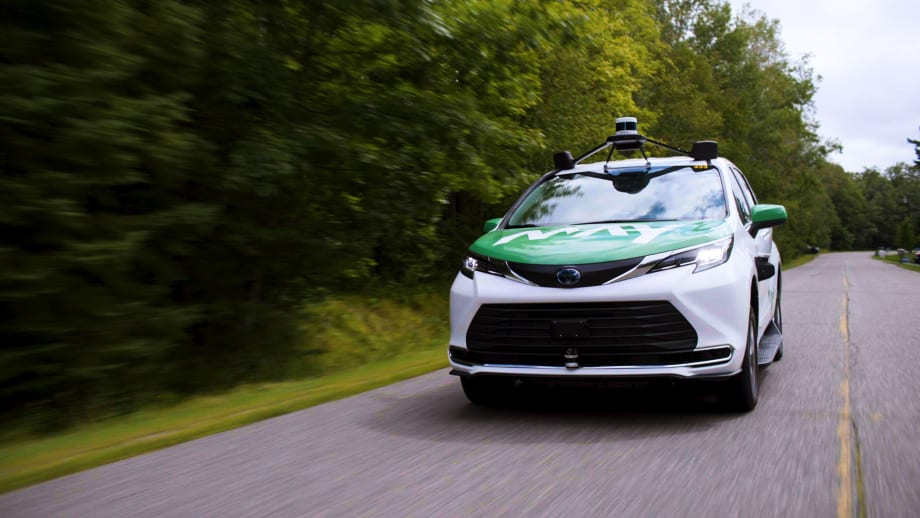
The goMARTI service is free to use and its route includes approximately 70 pick-up and drop-off points including grocery stores, medical sites, and community and recreation centers.
Photo: May Mobility
3 min to read
May Mobility announced that more than 10,000 riders have used its goMARTI autonomous vehicle service in Grand Rapids, Minn., since its launch in September 2022.
Grand Rapids is a rural community known for extreme winter weather patterns and steep snow banks.
Ad Loading...
The milestone demonstrates May Mobility's ability to operate under challenging and diverse circumstances while becoming a trusted and vital resource for the community.
May Mobility’s Minnesota Project
May Mobility, the Minnesota Department of Transportation (MnDOT), The PLUM Catalyst, and the City of Grand Rapids partnered to deliver an accessible transportation option that augments existing transportation.
By providing wheelchair-accessible vehicles and operating in the evenings and on weekends, May Mobility's autonomous vehicle offerings have earned the rural community's trust and acceptance.
According to a series of MnDOT rider surveys, 98% of riders expressed positive feelings toward the service, up 23% since its launch. Additionally, 98% of riders reported feeling safe in the vehicles, leading to a 30% increase in their comfort levels with the technology compared to pre-ride responses.
A greater sense of safety and comfort can be attributed in part to May Mobility's unique approach to autonomous technology.
Ad Loading...
May Mobility’s Technology
While many autonomous vehicles rely exclusively on large numbers of pre-programmed examples to "learn" how to drive, May Mobility's autonomous vehicles learn how to handle never-before-seen situations using the company's Multi-Policy Decision Making (MPDM) technology.
MPDM performs real-time reinforcement learning, which allows the vehicle to make educated decisions. It does so by analyzing thousands of possible scenarios every second and discarding potential maneuvers that would put anyone in harm's way for a safer and more comfortable ride.
Grand Rapids provided May Mobility the opportunity to study operations in harsh winter climate conditions.
With thousands of petabytes of data collected from more than 160,000 miles of driving, the goMARTI service has played a crucial role in further improving the technology. The data collected during snowy conditions has been valuable in developing robust algorithms that contribute to safer autonomous driving in varying environments across May Mobility's current and upcoming sites.
"Our autonomous vehicles handled the challenging weather very well, showing that MPDM was able to handle situations outside our training set," said Edwin Olson, May Mobility co-founder and CEO. "With the priceless data from these 10,000 riders, we will be able to continue to improve our goMARTI service and help communities across the country solve some of their hardest transportation challenges."
Ad Loading...
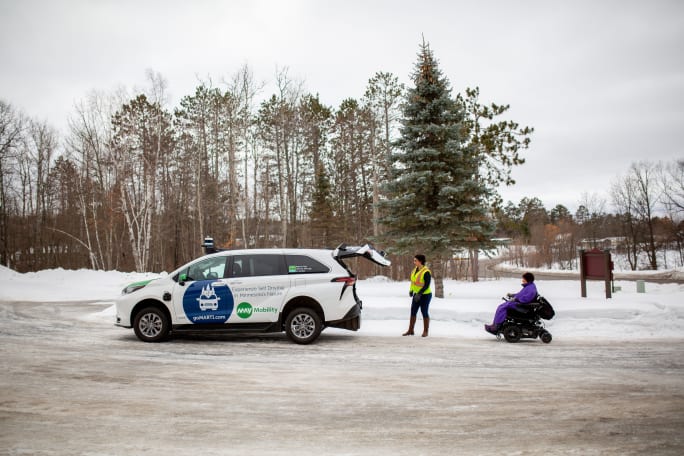
May Mobility's fleet of five autonomous vehicles includes three that are wheelchair-accessible, providing a much-needed transportation option to people with mobility disabilities.
Photo: May Mobility
goMARTI's Impact on the Community
The goMARTI service is free to use and its route includes approximately 70 pick-up and drop-off points including grocery stores, medical sites, and community and recreation centers.
May Mobility's fleet of five autonomous vehicles includes three that are wheelchair-accessible, providing a much-needed transportation option to people with mobility disabilities.
Currently, MnDOT, The PLUM Catalyst and May Mobility are working to expand goMARTI's hours of operation and service area, and plan to add additional wheelchair-accessible vehicles to its fleet.
CEO Magnus Friberg discusses Luminator’s shift toward becoming a digital partner, the growing importance of software and interoperability, and how AI can help agencies improve operations and passenger experience.
In METRO's latest installment, we take a look at recent news from Complete Coach Works, Beep, FlixBus, and more partnerships making headlines across the transportation sector.
In a recent episode of METROspectives, CharterUP Founder/CEO Armir Harris discussed the company’s evolution from an online charter bus marketplace into a technology platform supporting public- and private-sector mobility and much more.
Through its NAVI program, JTA is showing how autonomous vehicles, intelligent infrastructure, and coordinated operations can work together to deliver everyday public transportation.
From manufacturers and suppliers to transit agencies and motorcoach operators, these updates offer a snapshot of the projects, partnerships and business moves driving the industry forward.
Former LA Metro Chief Innovation Officer Joshua Schank discusses why good ideas aren't enough, how transit agencies can overcome resistance to change, and why today's challenges demand more innovation.
From manufacturers and suppliers to transit agencies and motorcoach operators, these updates offer a snapshot of the projects, partnerships and business moves driving the industry forward.
Vice President of New Mobility Stephen Joos discusses how CharterUP is leveraging its nationwide transportation network, technology platform, and autonomous vehicle partnerships to expand into workforce mobility, campus shuttles, and transit solutions.