An Inside Look at the RTC of Southern Nevada, ZeroEyes Partnership
The agreement marks the first transit agency in the U.S. to fully deploy weapons detection analytics, with RTC adding ZeroEyes to its state-of-the-art network to protect residents and visitors against gun-related violence.
United Safety, exclusive transit reseller of the ZeroEyes technology, worked to facilitate the deployment of the company’s gun detection and intelligent situational awareness software across RTC’s cameras for the 1-year deployment contract.
The agreement marks the first transit agency in the U.S. to fully deploy weapons detection analytics, with RTC adding ZeroEyes to its state-of-the-art network to protect residents and visitors against gun-related violence.
Ad Loading...
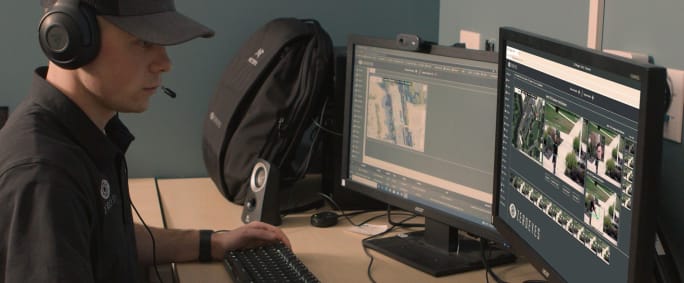
If a gun is identified, images are instantly shared with the ZeroEyes Operations Center, the industry’s only U.S.-based, fully in-house operation center, which is staffed 24/7/365 by specially trained military and law enforcement veterans.
Photo: ZeroEyes
RTC Program Broadening ZeroEyes’ Reach
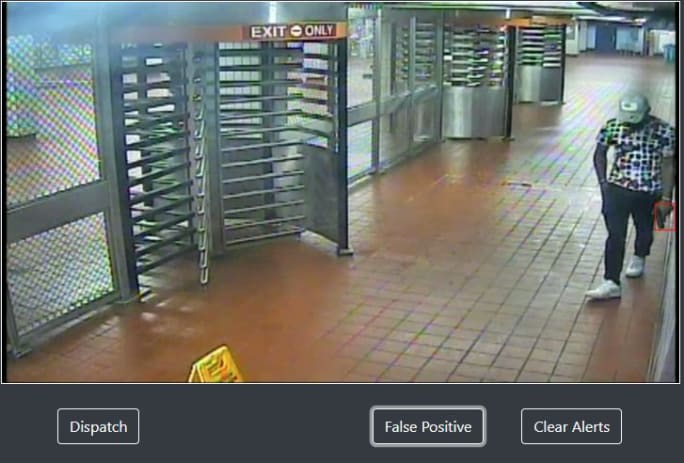
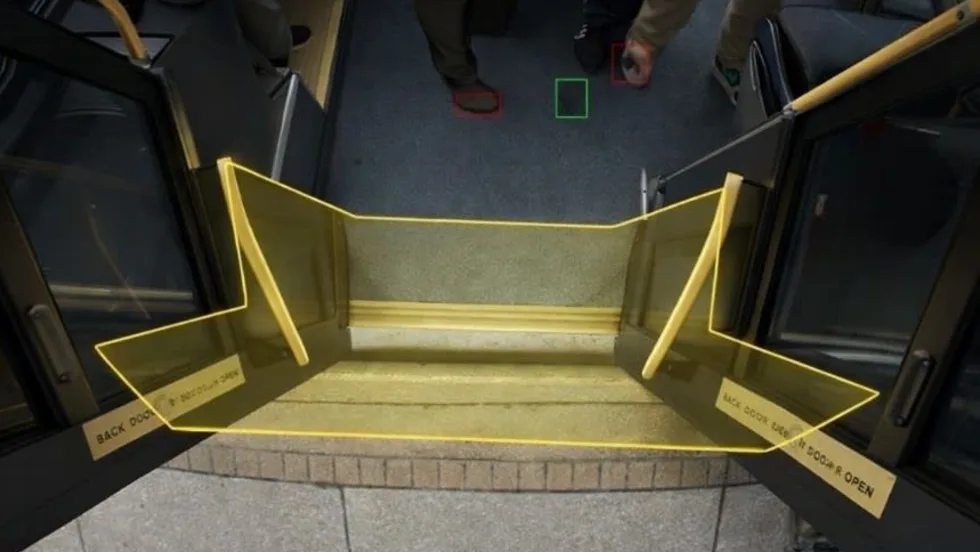
ZeroEyes' AI gun detection and intelligent situational awareness software layers onto existing digital security cameras.
If a gun is identified, images are instantly shared with the ZeroEyes Operations Center, the industry’s only U.S.-based, fully in-house operation center, which is staffed 24/7/365 by specially trained military and law enforcement veterans.
If these experts determine the threat is valid, they dispatch alerts and actionable intelligence — including visual description, gun type, and last known location — to local law enforcement and RTC staff as quickly as three to five seconds from detection.
In November 2022, Philadelphia’s SEPTA became the first transit agency in the U.S. to deploy the technology.
“RTC is ultimately the first in the nation to deploy this in a production environment at scale in their transit centers,” JT Wilkins, sr. VP, sales, at ZeroEyes tells METRO Magazine. “Our previous deployments at SEPTA were on their subway and rail systems in a pilot program. The reason why we piloted with SEPTA was because they had extremely old infrastructure, their security network was really outdated, and we needed to see if our technology would even work.”
Ad Loading...
Wilkins adds that although the program did in fact work at SEPTA, which ultimately lead to a few arrests, the company found that the technology was trying to take something cutting edge and make it work on something very old.
“On the flip side with RTC, they have phenomenal security infrastructure — they upgraded their cameras and everything is state of the art — so our product should work very well in their environment and it should be super easy to integrate,” says Wilkins.
United Safety & Survivability Group (United Safety), exclusive transit reseller of the ZeroEyes technology, worked to facilitate the deployment of the company’s gun detection and intelligent situational awareness software across RTC’s cameras for the one-year deployment contract.
“With United Safety’s reach and network, they have done a great job of educating the broader market, and RTC was one of the four leading transit agencies that jumped on this after learning about how the technology works and what it can do for the broader transit system,” says Wilkins.
ZeroEyes' AI gun detection and intelligent situational awareness software layers onto existing digital security cameras.
Photo: ZeroEyes
Expansion and Education on How ZeroEyes Works
Wilkins explains that while ZeroEyes is currently being deployed on RTC’s standard fixed security cameras at their transit centers, the program could ultimately be expanded to the agency’s rolling stock, as well as introduce new aspects of the program.
Ad Loading...
“That's something we've talked through with RTC, and the infrastructure certainly works,” he says about adding the system to RTC buses and additional vehicles. “With the RTC, we have a greenfield with them to be able to open up into some of the other locations and are also working on being able to integrate unmanned aerial systems, or drones, and things like that to be a force multiplier for those law enforcement agencies that could be responding.”
With technology playing a large role in the public transportation space, a large part of ZeroEyes’ sales approach, as Wilkins discusses in association with its partnership with United Safety, is the education of how the product works.
“We are a subset of AI and use what's called computer vision,” Wilkins explains. “What that basically means is that our algorithm is matching a shape to something that is already in our algorithm to make a detection.”
He adds that for the past 50 years, ZeroEyes has looked at gun violence data and how that data trends over time.
What the company has found is the incidents typically happen on the exteriors of buildings, like workplaces, schools, and transit facilities.
Ad Loading...
“Ultimately, what we want to do is to be able to get ahead of that,” Wilkins says. “So when you look at some of the other solutions that are on the market today, it solves that conceal problem but what ZeroEyes does is enhance a property’s existing security camera network into a proactive solution, rather than a reactive solution.”
Wilkins adds the company is excited to embark on its partnership with the RTC.
“We are appreciative of the work with RTC,” he says. “They are a great organization and very forward thinking, in terms of their security posture. We are really looking forward to growing in Southern Nevada and the City of Las Vegas.”
The 90-day demonstration will deploy coordinated security teams at five light rail stations while testing controlled access and gathering data to guide future investments.
The app expands on RTD’s existing NextRide web application and allows customers to view real-time vehicle locations and service alerts, purchase and store digital fares, and access customer support.
The revamped program addresses 26 OSHA standards for maintenance facilities, with TAPTCO pointing to training, documentation, and everyday shop hazards as continuing challenges for transit operations.
Wabtec engineers explain how the system improves doorway detection, strengthens diagnostics and gives transit agencies and OEMs greater operating flexibility.
The award-winning partnership combines AI-powered detection with human oversight to improve bus reliability, accessibility, and enforcement efficiency.
The agency's latest homelessness count offers new data on how care-based services and cross-sector partnerships can complement traditional transit security strategies.
The online dashboard transforms National Transit Database information into a public-facing resource that allows users to compare transit agencies on key operational and safety metrics.