



Md. MTA to purchase 147 new paratransit vehicles
The new vehicles will be distributed to the MTA’s three mobility vendors — First Transit, MV Transportation and TransDev — with all vehicles in service within the next three to four months.

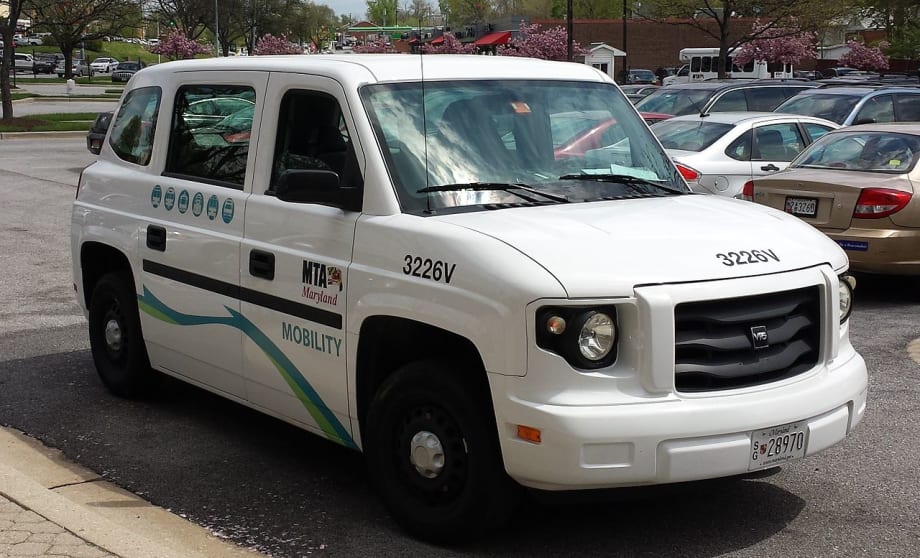
The Maryland Transit Administration (MTA) awarded a $5.3 million contract to dealer Apple Ford for the purchase of 147 new mobility vehicles.
The MTA has updated some of its fleet this year with Ford Taurus Police Interceptor cars since most of the state’s mobility customers are not wheelchair-bound, and therefore, do not require the larger mobility vehicles.
Each new car is equipped with a two-way radio, Ranger computer, backup camera and safety apparatus. Through the state contract, the MTA was able to purchase and receive these vehicles in four months, compared to 18 to 24 months for the larger vehicles. Purchasing the smaller vehicles allowed the MTA to get three cars for the price of one larger vehicle — a roughly $9.7 million savings to taxpayers.
“These new vehicles are all-wheel drive with good suspension and bigger tires offering a much more comfortable ride to our mobility customers,” said MTA Administrator/CEO Paul Comfort. “We chose the Ford Taurus because the majority of our passengers don’t require the big wheelchair vehicles to get them where they need to go. These new cars offer a more comfortable ride, lower maintenance costs, better fuel economy and better functionality for our drivers.”
MTA Director of Mobility Carl W. Parr Jr., said, “The reduced fuel consumption is expected to yield a savings of $1.5 million a year with another $1 million-a-year savings in maintenance costs. The new vehicles will be distributed to the MTA’s three mobility vendors — First Transit, MV Transportation and TransDev — with all vehicles in service within the next three to four months.”
More Paratransit
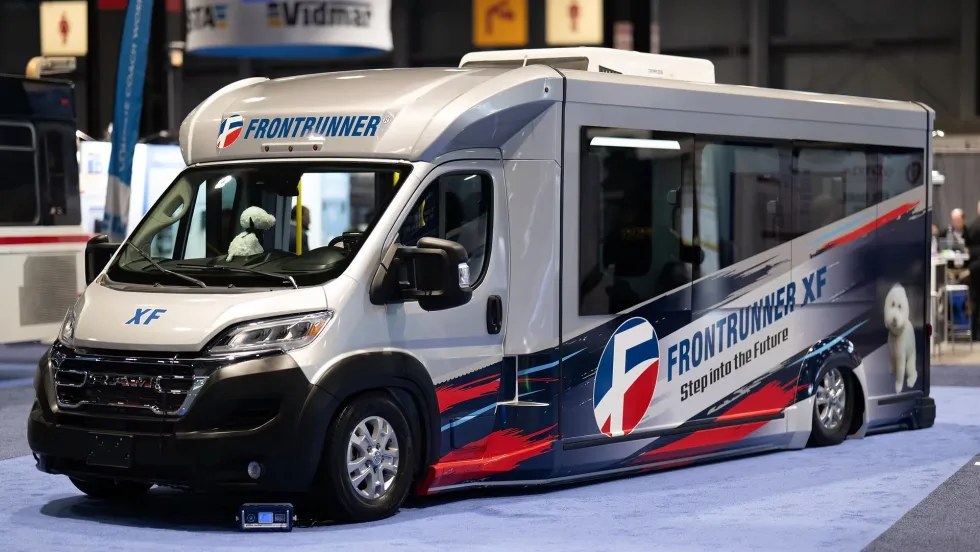
Frontrunner Bus Group Introduces XF Low-Floor Bus with Enhanced Accessibility
The new mid-sized bus features a full flat-floor design, eight-inch curbside step-in height, and zero-entry rear ramp to improve passenger access and operational flexibility.
Read More →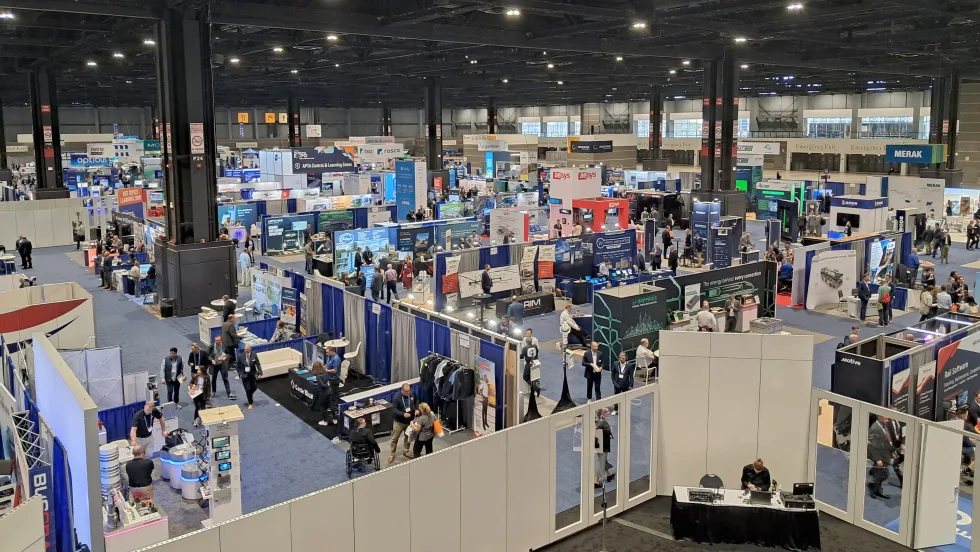
Scenes from APTA TRANSform & EXPO 2026
Transit leaders, manufacturers, and industry professionals gathered in Chicago to explore new technologies, share ideas, and discuss the future of public transportation.
Read More →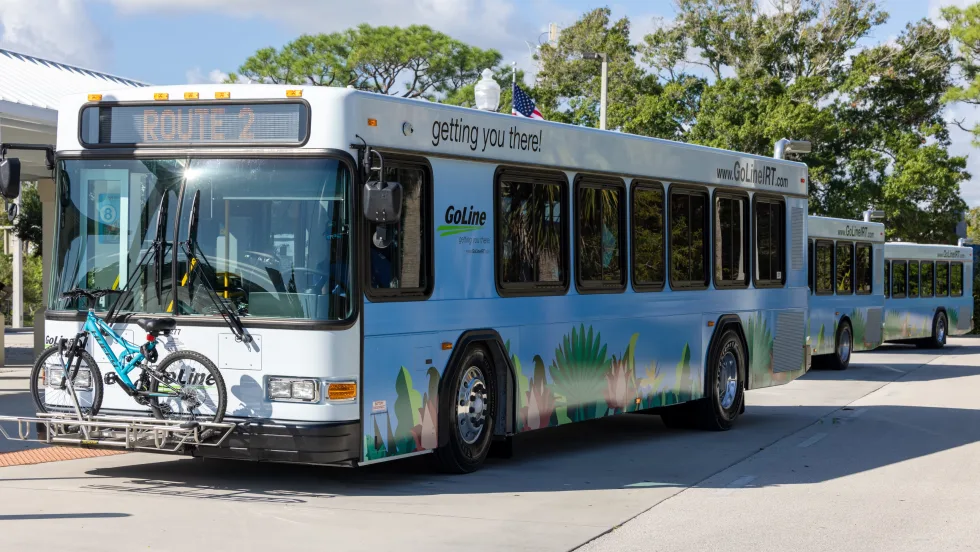
Indian River Transit’s Community-Focused Approach Earns National Recognition
Named APTA’s 2026 Outstanding Public Transportation System in its size category, Florida’s Indian River County transit system continues to grow ridership through fare-free service and a focus on evolving community needs.
Read More →
Everett Transit, Community Transit Outline Consolidation Agreement
The proposed agreement calls for a 50% increase in bus service in Everett, a new microtransit zone, continued paratransit service, and the transfer of Everett Transit operations to Community Transit.
Read More →
Driving Smarter Paratransit
John Hanlon shares how AlphaRoute is leveraging AI-powered technology to help paratransit providers optimize operations, support frontline staff, and enhance the rider experience.
Read More →
People Movement: Dan Dipert Coaches Adds Third-Generation Leader, Keolis Names New Valley Metro VP/GM, and More
In this edition, we also cover recent appointments and announcements at the Wabtec, SilverRide, HNTB, and more, showcasing the individuals helping to shape the future of transportation.
Read More →
Biz Briefs: RIPTA Unveils New Frontrunners, Clevland RTA Adds New Siemens, and More
In METRO's latest installment, we take a look at recent news from Siemens, Prevost, Dodge, and more partnerships making headlines across the transportation sector.
Read More →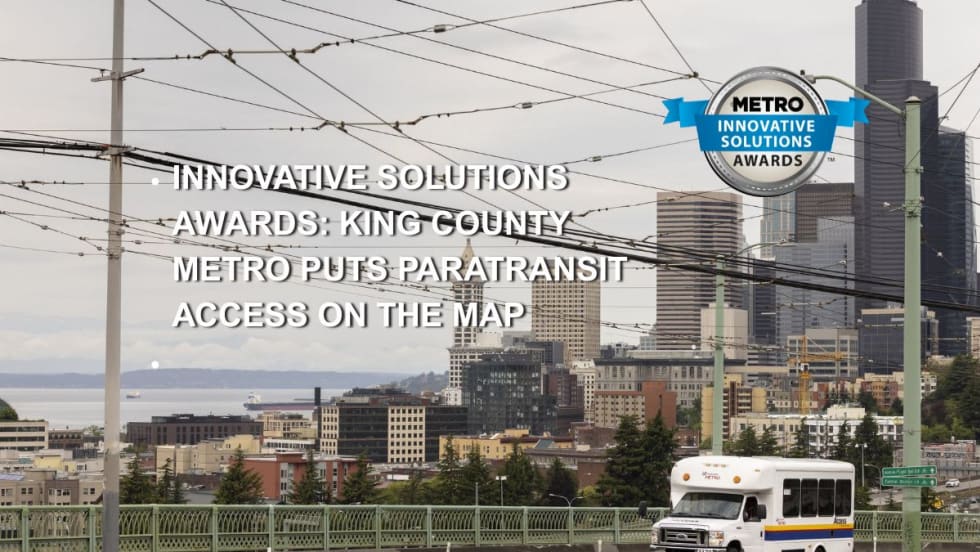
King County Metro Makes ADA Paratransit Easier to Navigate
METRO's Innovative Solutions Award winner replaces complex service-area descriptions with an accessible, interactive map that puts paratransit information directly in customers’ hands.
Read More →
Jacksonville’s NAVI Project Charts a New Course for Autonomous Public Transportation
Through its NAVI program, JTA is showing how autonomous vehicles, intelligent infrastructure, and coordinated operations can work together to deliver everyday public transportation.
Read More →
Driving Smarter Paratransit
John Hanlon shares how AlphaRoute is leveraging AI-powered technology to help paratransit providers optimize operations, support frontline staff, and enhance the rider experience.
Read More →