




RELATED: Commuter rail making strong PTC progress, APTA says
Metra marks completion of major PTC milestone
Chicago is the most complex railroad network in the country, with 1,300 to 1,400 trains operating over multiple railroads every day.
September 17, 2018
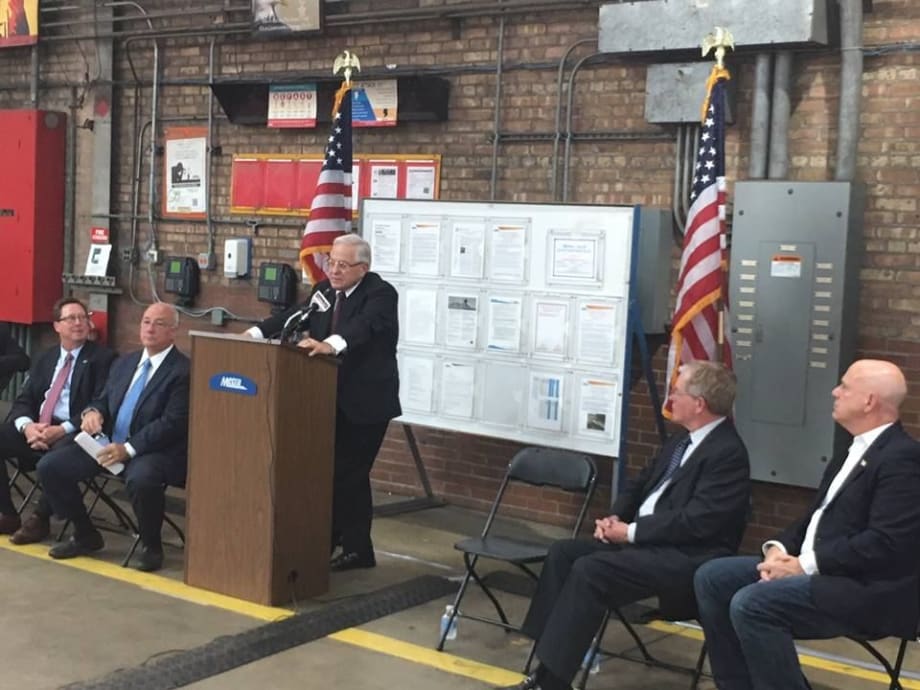
FRA Administrator Ronald Batory congratulates Metra workers on completing a key positive train control milestone - all equipment installed. Photo: Metra
3 min to read
FRA Administrator Ronald Batory congratulates Metra workers on completing a key positive train control milestone - all equipment installed. Photo: Metra
Metra celebrated the completion of the installation of positive train control (PTC) components on all its trains and on all its communications and signal systems along its train lines, a major achievement on its way to implementing the federally mandated safety system.
Under the PTC legislation, completing the installation of components is one of the four milestones that must be reached by the end of this year in order to receive more time to implement PTC across the entire system. Of the other three milestones, Metra has already acquired the needed radio spectrum and in October it will have completed the training of its workers and started a revenue service demonstration project on one of its lines, the Rock Island Line.
“Implementing Positive Train Control has been a long, difficult and expensive undertaking, and we are happy that we are now seeing it so close to completion,” said Metra CEO/Executive Director Jim Derwinski. “I want to congratulate the Metra workers whose dedication and expertise got us here today. And I want our riders to know that our already safe system is about to get a whole lot safer.”
Derwinski was joined by Federal Railroad Administration Administrator Ronald Batory and Southeastern Pennsylvania Transportation Authority GM Jeffrey D. Knueppel, who also serves as chairman of the Subcommittee on Commuter Rail PTC of APTA. Batory and Knueppel talked about commuter railroads’ commitment to safety and how they are dealing with the unparalleled technological and financial challenges in scale, complexity, and time required for PTC implementation.
Nationwide, as of June 30, 2018:
91% of spectrum has been acquired;
85% of onboard equipment has been installed;
79% of trackside installations have been completed;
78% of back office control systems are ready for operation;
74% of employees have been trained in PTC; and
34% of commuter railroads are in testing, revenue service demonstration, or are operating their trains with PTC.
Metra is responsible for installing PTC on all trains and along the five lines it controls — Metra Electric, Milwaukee District North, Milwaukee District West, Rock Island and SouthWest Service. The owners of the other lines in the Metra system are responsible for installing PTC along their lines and building the back-office PTC system — BNSF Railway for the BNSF Line, Union Pacific Railroad for the three UP lines and CN for the Heritage Corridor and North Central Service lines.
BNSF Railway already has implemented PTC, and Union Pacific is expected to do so later this year. Metra will start a revenue service demonstration on the Rock Island Line in October and on the SouthWest Service Line later this year. The Metra Electric and Milwaukee District West lines will follow next year and the final three will follow in 2020. The entire system will be fully operational by the end of 2020.
For Metra, PTC is expected to cost about $400 million, and funding that work has been a major challenge. While Metra has received about $43 million in federal PTC grants, it will have to pay rest of the bill out of its already inadequate capital resources. PTC will also add about $15 million to $20 million to Metra’s operating costs each year.
Another challenge is interoperability. Chicago is the most complex railroad network in the country, with 1,300 to 1,400 trains operating over multiple railroads every day, including nearly 700 Metra trains. The PTC mandate requires all PTC systems to be interoperable: any train operating over another railroad’s tracks must be able to communicate with the back office of that railroad’s PTC system, in addition to its own system.
That means Metra trains must be able to talk to freight railroad back offices, such as BNSF, UP and CN, and vice versa, and must be able to do that seamlessly. On the SouthWest Service Line alone, Metra trains must be able to talk to the back offices of five different systems.
More Security and Safety

Transit Agencies Highlight Safety Gains at National Summit
Leaders from 15 major transit systems shared crime-reduction results and safety initiatives while discussing the role of continued federal support.
Read More →
DART Launches Major Security, Fare Enforcement Initiative
The 90-day demonstration will deploy coordinated security teams at five light rail stations while testing controlled access and gathering data to guide future investments.
Read More →
RTD Launches NextRide App to Consolidate Trip Planning, Fares, Security Reporting
The app expands on RTD’s existing NextRide web application and allows customers to view real-time vehicle locations and service alerts, purchase and store digital fares, and access customer support.
Read More →
TAPTCO Updates OSHA Compliance Training for Transit Maintenance Operations
The revamped program addresses 26 OSHA standards for maintenance facilities, with TAPTCO pointing to training, documentation, and everyday shop hazards as continuing challenges for transit operations.
Read More →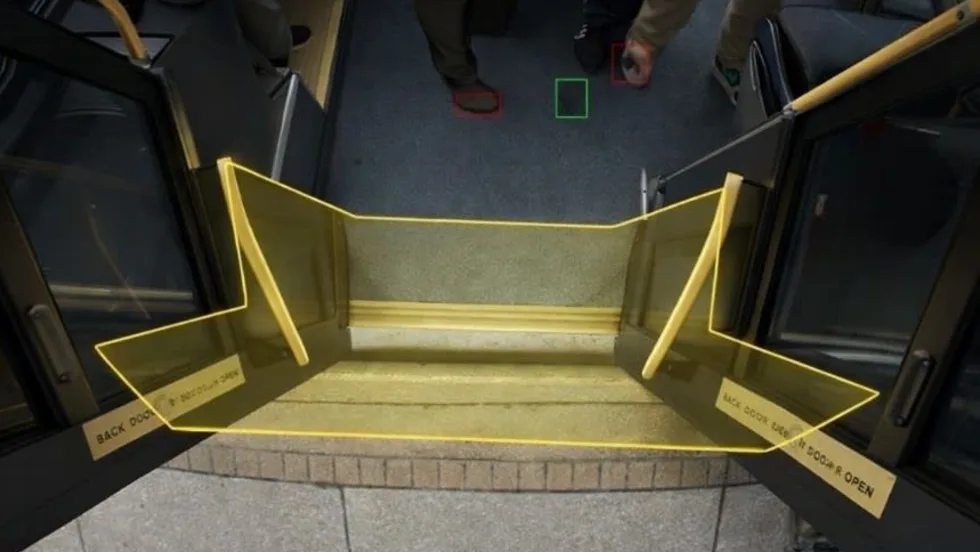
Sponsored•August 18, 2026
How VaporVision Adds Value to Transit Door Systems
Wabtec engineers explain how the system improves doorway detection, strengthens diagnostics and gives transit agencies and OEMs greater operating flexibility.
Read More →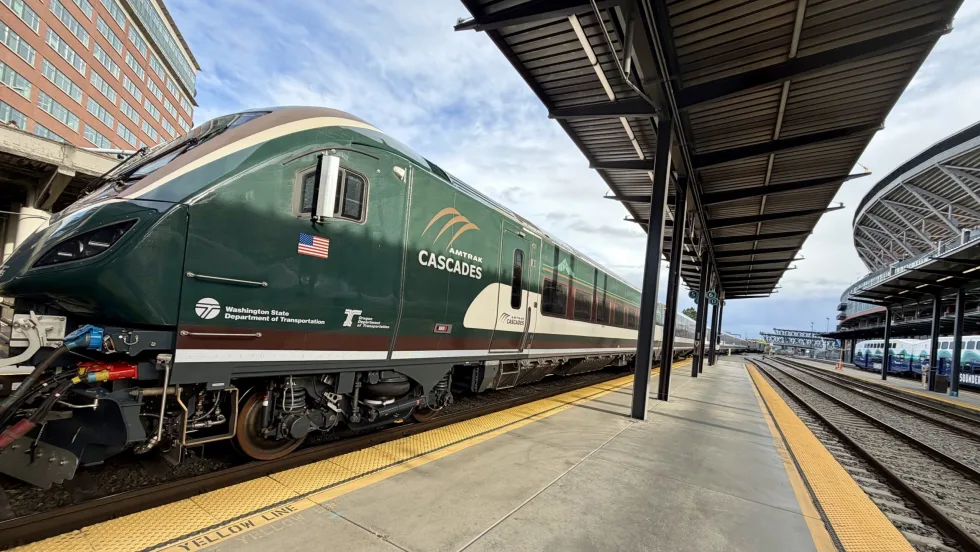
FRA Announces $5.3B in Rail Investments, Including $2B for Amtrak
Funding will support grade-crossing improvements, infrastructure upgrades, and new Amtrak equipment in 23 states.
Read More →
Chicago, Maryland Expand Non-Law-Enforcement Safety, Rider Support
The CTA and MTA are launching new programs aimed at de-escalation, crisis response, rider assistance, and greater transparency.
Read More →
LA Metro, City of West Hollywood, and Partners Advance Smarter Bus Lane Enforcement
The award-winning partnership combines AI-powered detection with human oversight to improve bus reliability, accessibility, and enforcement efficiency.
Read More →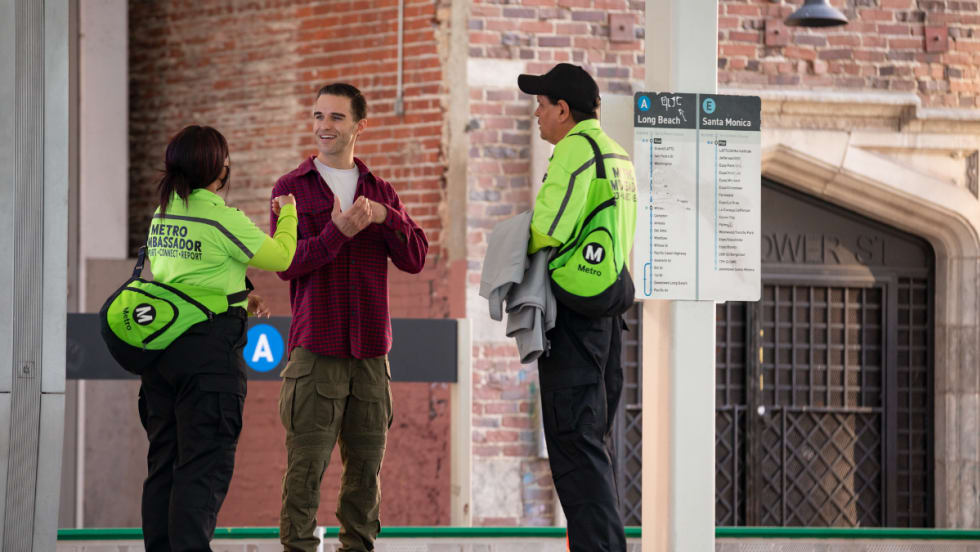
LA Metro Reports 57% Decline in Homelessness on Transit System Since 2024
The agency's latest homelessness count offers new data on how care-based services and cross-sector partnerships can complement traditional transit security strategies.
Read More →
FTA Launches 'Transit Moves America' Dashboard to Highlight Agency Safety and Performance
The online dashboard transforms National Transit Database information into a public-facing resource that allows users to compare transit agencies on key operational and safety metrics.
Read More →