




Read More: San Diego MTS Board Approves Changes to Fare Enforcement
LA Metro Awarded $231M for Southeast Gateway Line
The Southeast Gateway Line will run between South Los Angeles/Saluson, City of Artesia, will connect Southeast Los Angeles Cities to City of Los Angeles.
October 24, 2024
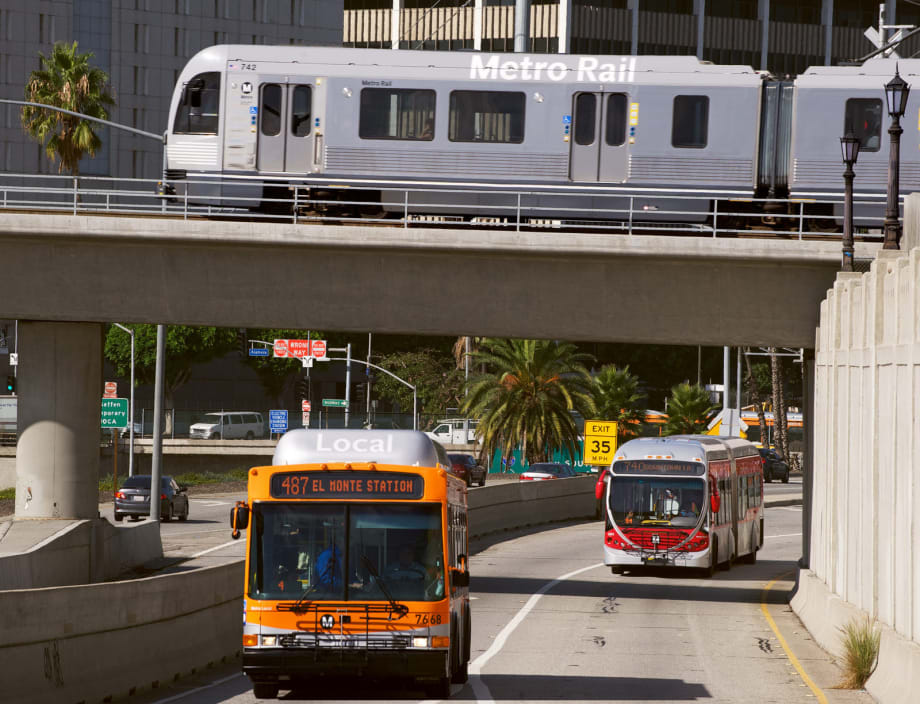
L.A. Metro's Southeast Gateway Line will help residents from Southeast Los Angeles County travel to and from the City of Los Angeles.
Photo: LA Metro
2 min to read
The Los Angeles County Metropolitan Transportation Authority (Metro) received word that they have been awarded $231 million by the California State Transportation Agency (CalSTA) from the Transit and Intercity Rail Capital Program for its Southeast Gateway Line.
The Southeast Gateway Line is a light rail line stretching 14.5 miles from the Slauson/A (Blue) Line Station to the City of Artesia providing a dependable alternative to driving for 2 million people in southeast LA County.
Making Connections
The Southeast Gateway Line will include nine stations extending from the Saluson A Line station located in the City of Los Angeles/Florence-Firestone unincorporated area of Los Angeles County to its southern terminus at the Pioneer Station located in the City of Artesia.
The line will pass through the cities of Bell, Bellflower, Cerritos, Cudahy, Downey, Florence-Firestone, Huntington Park, Los Angeles, Paramount, South Gate, and Vernon. The line will also include the new C Line station at the I-105 freeway.
The area is currently home to over 600,000 jobs, which is projected to increase to over 700,000 jobs by 2042.
There are also high projected population and employment densities in the area that are five times higher than LA County, with 44% of the population below the poverty line and 18% of households that do not own a car.
The area has several Environmental Justice Communities populated by a majority-minority community with 65% minority residents, with Hispanic/Latino groups alone accounting for 51%.
Access to the Regional Network
The project will provide direct connection to the Metro C Line (Green), Metro A Line (Blue), and LA County’s broader regional transit network.
Connecting this area to Metro’s rail network provides alternatives to driving and improves accessibility to jobs and job-related opportunities, as well as medical facilities, institutions of higher education, and other places of interest.
“Metro would like to thank Governor Newsom for his commitment to funding projects that will help California reach its climate goals and CalSTA Secretary Omishakin for his leadership on transportation and transit investments,” said Metro CEO Stephanie Wiggins. “For too long, Angelenos in southeast LA County have been disconnected from Metro’s rail system, but with these additional funds, we move closer to giving Southeast LA and Gateway City residents a world-class light rail line to serve this growing area of our County.”
More Rail
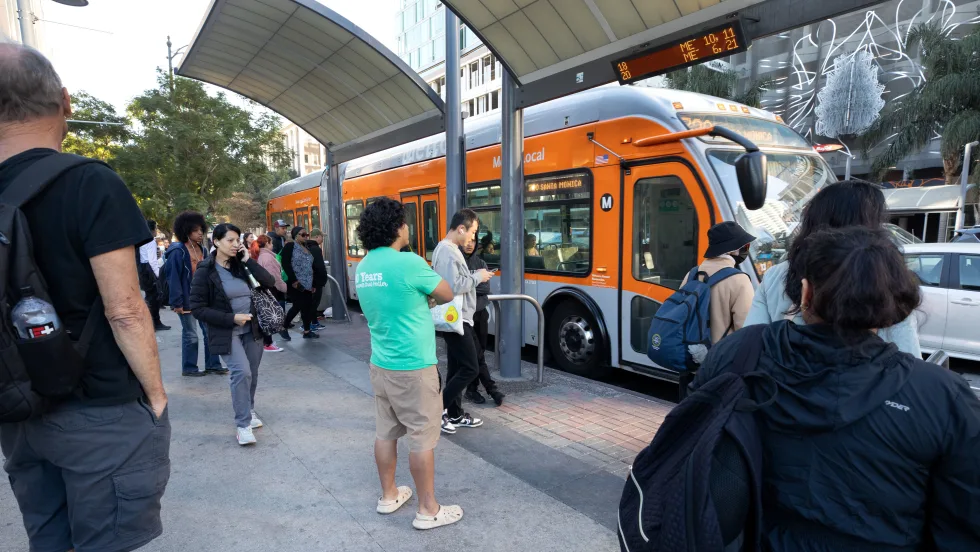
LA Metro September Ridership Climbs 3.9%, Led by Rail Growth
The agency recorded more than 27.2 million boardings, with rail ridership increasing 12.4% year over year and the D Line posting the largest gains.
Read More →
First Full MetroLink Rail Expansion Completed in 20 Years with $192M Airport Project
The project links two St. Louis-area airports by light rail while adding roadway and bike trail connections to improve regional access and mobility.
Read More →
Utilimarc Launches SmartReplace to Optimize Fleet Replacement Decisions
AI-powered SmartReplace helps fleets prioritize vehicle replacements, model budget scenarios, and build more defensible long-term strategies.
Read More →
Scenes from APTA TRANSform & EXPO 2026
Transit leaders, manufacturers, and industry professionals gathered in Chicago to explore new technologies, share ideas, and discuss the future of public transportation.
Read More →
USDOT Awards $416 Million for Florida Rail Crossing Safety Upgrades, New Brightline Station
The projects aim to reduce risks for motorists and pedestrians at rail crossings while expanding passenger rail access along Florida’s Space Coast.
Read More →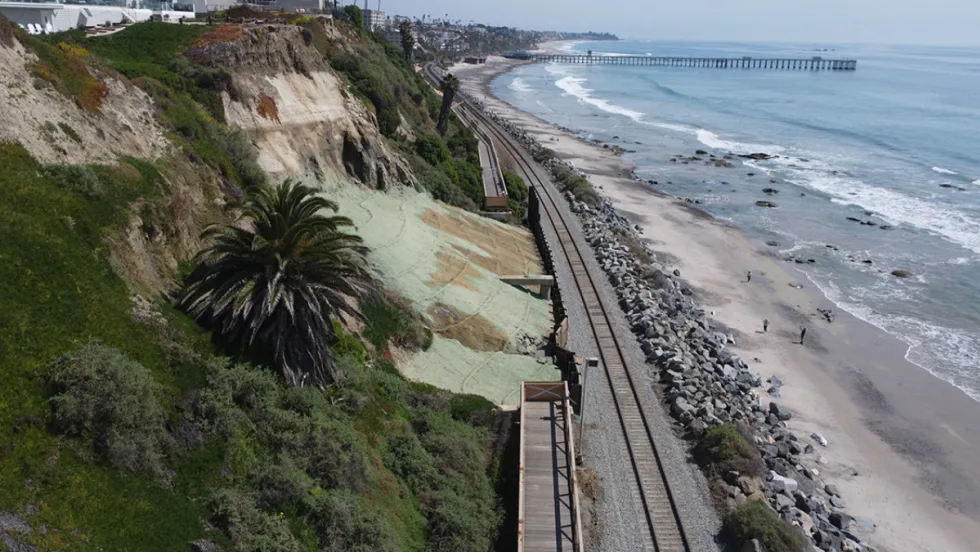
OCTA Declares Emergency to Protect Rail Corridor From Coastal Erosion
The California agency is accelerating shoreline protection and plans to place approximately 690,000 cubic yards of sand along the San Clemente coast to protect a key passenger and freight rail link.
Read More →
More Than a Summer Job: Building the Next Generation of Transit Talent
The Delaware River Port Authority and PATCO have transformed their internship program into a hands-on professional development experience that introduces students to the breadth of transportation careers — and creates a pipeline for future employees.
Read More →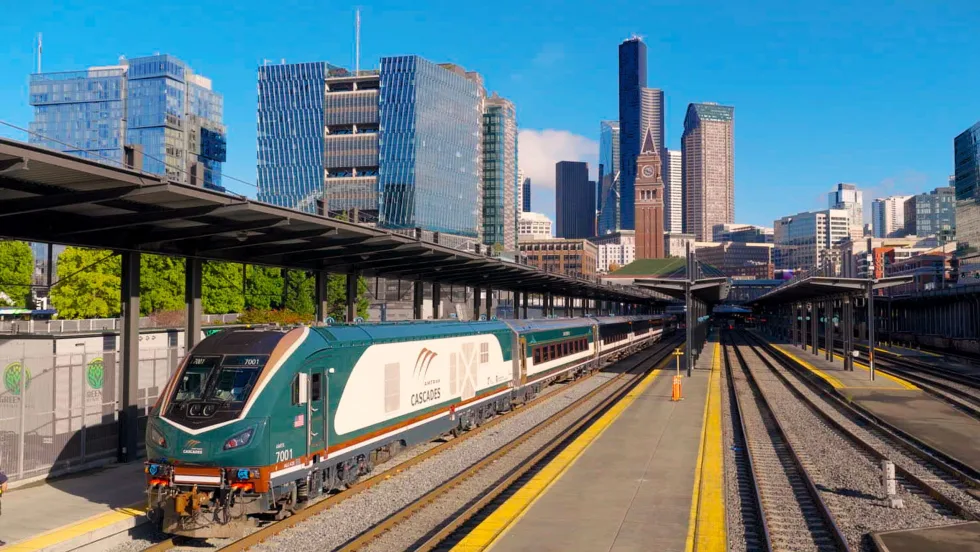
Airo Trains Make Their Amtrak Cascades Debut in the Pacific Northwest
Effective immediately, two cutting-edge Airo trainsets will join the Amtrak Cascades route, operating four daily trips between Vancouver, B.C., Seattle, Portland, and Eugene, Oregon, marking the first introduction of Airo trains into passenger service anywhere in the country.
Read More →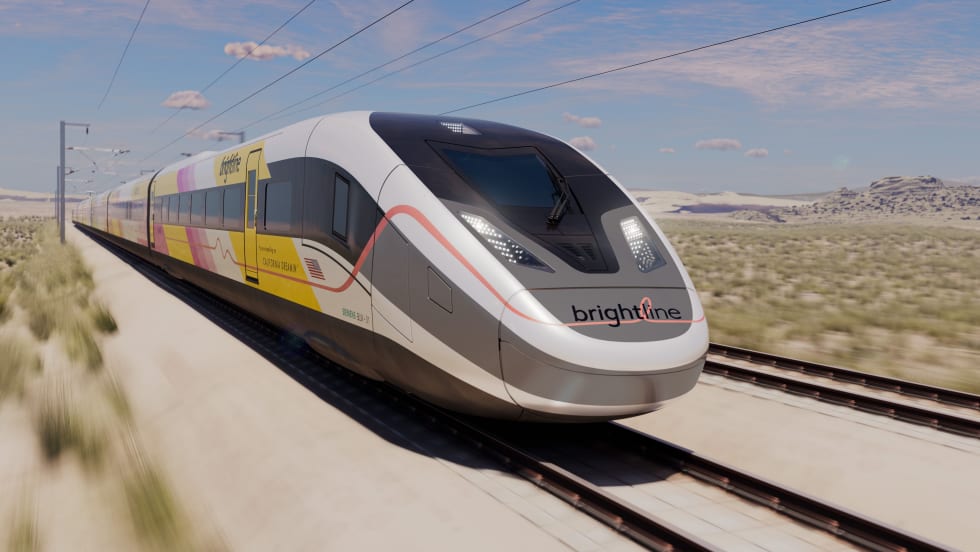
Florida's Brightline Announces Financial Restructuring
Brightline Florida says train operations will continue as normal as certain parent entities enter Chapter 11 and financial stakeholders provide $490 million in new long-term capital.
Read More →
ENC Lands MATA Contract and More in Biz Briefs
In this edition of Biz Briefs, we spotlight the latest developments shaping the future of mobility.
Read More →