




More News: California's SacRT Launches Survey to Enhance Rider Safety
LA Metro Ridership Reaches 1M Weekday Riders
September marks the 22nd consecutive month of year-over-year growth for LA Metro.
October 14, 2024

September ridership sets a big milestone as weekend ridership nears pre-pandemic levels.
Photo: LA Metro
3 min to read
L.A. Metro (Metro) reached a milestone in September, averaging more than more million weekday riders for the first time since the pandemic. The milestone also marks the 22nd consecutive month of year-over-year ridership growth.
Average bus ridership in September also exceeded 800,000 weekday boardings, a post-pandemic ridership record for the system.
Metro’s combined bus and rail ridership in September reached 86.4% of its September 2019 pre-pandemic ridership level. This also exceeds the nationwide transit ridership average of 76% of pre-pandemic levels.
Average weekday boardings on Metro reached 83.6% of September 2019 pre-pandemic levels and 96.6% of the pre-pandemic level on weekends.
“Thanks to the more than 12,000 dedicated public servants who work hard, day and night, rain or shine, Metro is recovering faster than almost any large transit agency in America,” said Metro CEO Stephanie Wiggins. “This 1 million-weekday-rider milestone is a testament to the enormous effort we’ve undertaken to make our system cleaner, safer, easier, more comfortable and more reliable for all the Angelenos who rely on us every day.”
A Closer Look at Bus Ridership
Metro’s bus system saw 20,912,410 trips in September, marking a 6.9% ridership increase compared to last year.
Average weekday bus ridership was 804,279 in September, the highest bus ridership Metro has seen since February 2020.
534,372 trips were taken on Metro buses in September on average. Sundays saw an average of 448,223 trip. This puts September’s weekend bus ridership at 96.3% of pre-pandemic levels.
Ridership on Metro’s two Bus Rapid Transit lines also increased in September. Ridership on the J Line rose 8.3%. Weekend ridership on the J Line exceeded its pre-pandemic level by 6.4%. Ridership on the G Line rose by 3.4%
Catching the Train
Rail boardings grew by nearly 10% in September over the previous year. Metro’s rail ridership now stands at 85.1% of pre-pandemic levels.
Weekday rail boardings grew by 11.7% year-over-year while weekend rail ridership grew 4.81%. Weekend rail ridership in September now stands at 99.4% of pre-pandemic levels.
Metro’s light rail system drove ridership growth in September. The A Line grew by 16.2% year-over-year while ridership on the E Line grew 18%. The C Line grew by 10.7% while the K Line saw a 4.1% growth.
Student Ridership on the Rise
Metro’s GoPass Program, which provides a free transit pass to k-14 students at participating schools, had 1,666,405 boardings. This is a 3% increase over last year which saw 1,610,215 students boarding.
September’s GoPass boardings marked a 77.7% month-over-month increase from August as students head back to school.
Public Safety on Metro
L.A. Metro continues to increase its work to improve public safety with a three-point plan:
• Keep our employees and customers safe and ensure they feel safe through an increased visible presence of uniformed personnel, station improvements and improved bus safety measures.
• Ensure the system is being used only for its intended purpose of transit through fare gate improvements and removal of trespassers.
• Continue to partner with the County, the Cities and Regional Agencies to address societal issues such as homelessness, untreated mental illness, drug addiction.
As part of this strategy, law enforcement partners have expanded their visible presence on the rail system. More Transit Security Officers have been added to enforce L.A. Metro’s Customer Code of Conduct rules on the rail and bus systems.
Metro Transit Security Bus Safety Teams performed end-of-line operations during late-night “Owl” service on some of the busiest bus lines.
L.A. Metro Ambassadors are also out in force on all six rail lines and five of the busiest bus lines to provide support to customers and keep a watchful eye out for problems.
More Management
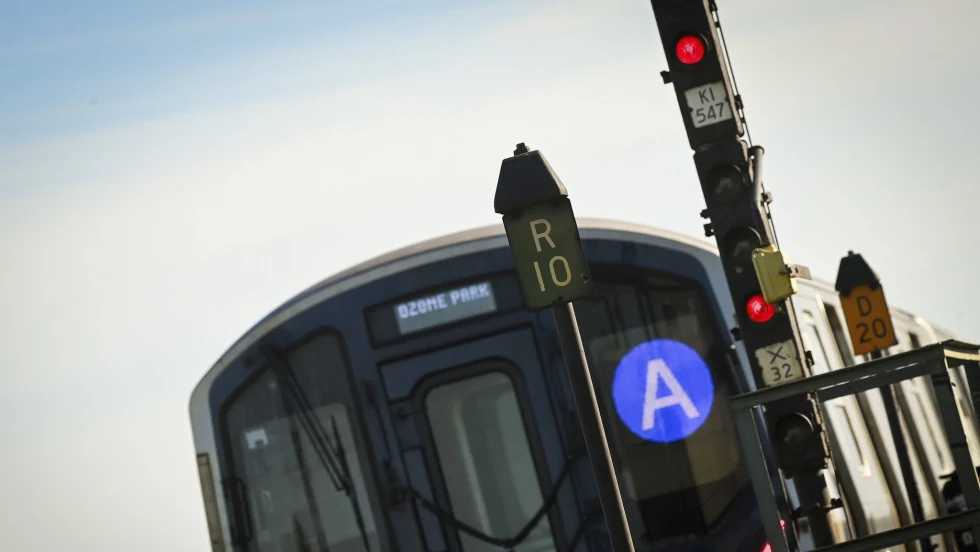
New York MTA Launches Historic $1.9B Signal, Track Modernization Project
Funded in part by congestion pricing revenue, the project will replace nearly century-old signals along the A and C lines in Brooklyn and Queens.
Read More →
Brian Dickson on Building Stronger, More Resilient Transportation Organizations
Bus Business Consultants Founder Brian Dickson discusses the leadership principles, operational discipline, and strategic planning that separate transportation companies positioned for long-term success from those stuck in survival mode.
Read More →
LA Metro Breaks Ground on Vermont BRT Project
The 12.4-mile corridor is projected to serve 66,200 daily riders, reduce travel times by up to 24%, and create the nation's busiest bus rapid transit corridor.
Read More →
Building Stronger Leaders, More Resilient Transit Teams
Dr. Carol Parker Walsh discusses leadership development, employee retention, workplace culture, and preparing transit’s workforce for AI and automation.
Read More →
Roman Cornell on ABC Companies’ Evolution and the Future of Passenger Transportation
The company’s CEO discusses carrying forward a third-generation family legacy, ABC’s continued evolution in passenger transportation, support for increasingly complex fleets, and how technology and continued investment could help operators improve uptime.
Read More →
CATS Launches West Charlotte Microtransit Zone, Expands Transit Services
The new microtransit zone connects residents to key destinations as Charlotte Area Transit System rolls out the first phase of its 2055 Transit System Plan.
Read More →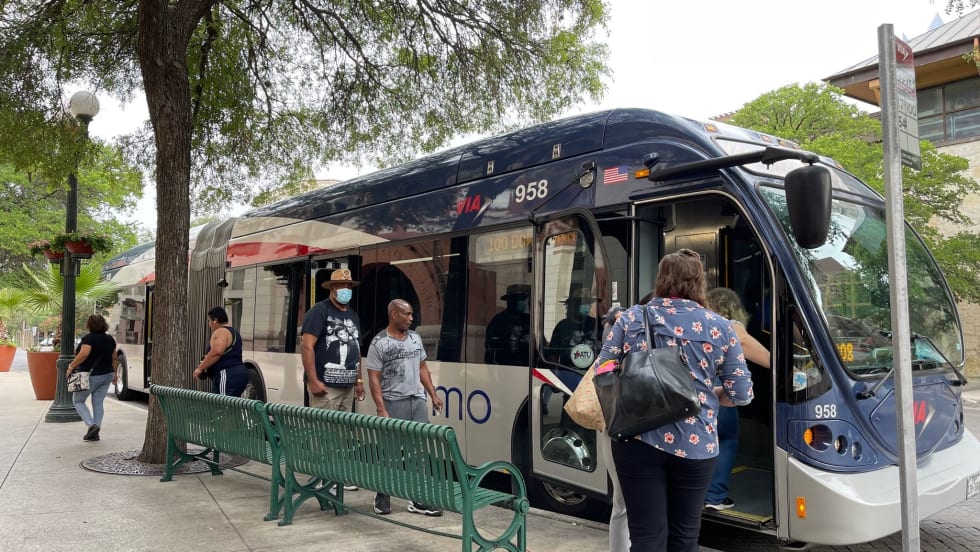
VIA Bus Ridership Grows 10.1% Through August 2026
San Antonio's VIA Metropolitan Transit reported the highest bus ridership growth among major Texas transit systems. Federal Transit Administration data ranked it second among the nation's 50 largest transit systems.
Read More →
CSA Group Releases Climate Resilience Standard for Transit, Passenger Rail
Developed with support from the Standards Council of Canada, CSA D700 guides assessing climate-related risks and planning adaptation measures for transit and passenger rail systems.
Read More →
ETA CEO John Maglio on Transit Technology, Innovation, and Building Agency Trust
ETA founder and CEO John Maglio explores the evolution of transit technology, the importance of reliable systems, and how stronger partnerships can help agencies improve operations and the passenger experience.
Read More →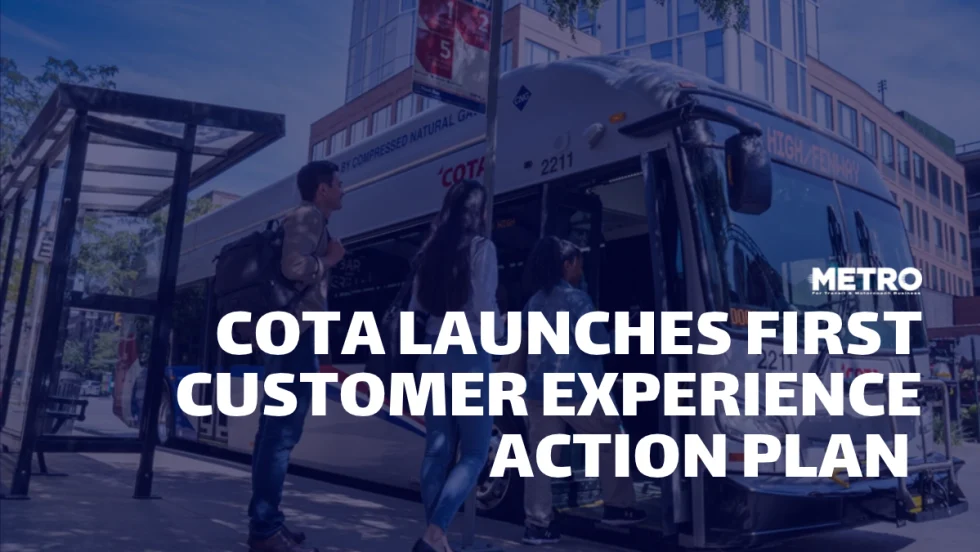
COTA Launches First Customer Experience Action Plan to Improve Transit Service
The new plan outlines improvements to service reliability, accessibility, communication, and the overall rider experience across Central Ohio's transit system.
Read More →