



METRO Magazine Picks New York Subway to Head List of Top 15 Events of the Century in U.S.
METRO Magazine, covering transit since 1904, reveals the top U.S. events of the 20th century in its January 2000 issue.

METRO Magazine, covering transit since 1904, reveals the top U.S. events of the 20th century in its January 2000 issue. Analysis of each of these events and their importance to the industry will appear in the January 2000 issue. The events are: 1. New York City subway (1904) shows the world Americans can build heavy metro projects, too. 2. Urban Mass Transit Administration opens its doors for business (1964), begins new era in federal transit assistance and policy. 3. Intermodal Surface Transportation Efficiency Act (1991) is passed, which helps level the playing field between transit and highway planning and declares an end to the "interstate era." 4. Fageol Safety Coach (1922), first purpose-built motor bus in widespread use in American cities. 5. Streetcar divestiture (1930-65), which ended a form of cross-subsidy that then-private transit companies depended on. 6. Greyhound Lines (1929), the first nationwide bus carrier. 7. Diesel bus engines (1932), leading to more reliable and cost-effective transit. 8. Clean Air Act (1971), which, with subsequent amendments, both boosted transit’s chances and saddled it with more expensive buses. 9. Private enterprise builds transit, once the primary means of new infrastructure and now making a comeback via turnkey, joint development and other techniques. 10. Height of transit use (1940-46), mainly induced by World War II and early post-war economic boom period. 11. Semiconductors (1970s to present), improving everything from vehicle tracking to propulsion. 12. Arab oil embargoes (1973 and 1979), which forced federal policy-makers to re-think transit’s role in the national economy. 13. Americans With Disabilities Act (1990), which boosted transit’s appeal as well as gave it greater regulatory burdens in the same way as the Clean Air Act. 14. San Diego Trolley (1980), which showed Americans that cost-effective LRT could work in American cities again. 15. Last run of a horse-drawn streetcar (1916), confirming the dominance of motorized transit. Next week we’ll reveal METRO’s predictions of events that will shape the 21st Century. Happy New Year/Century/Millennium!
More Management
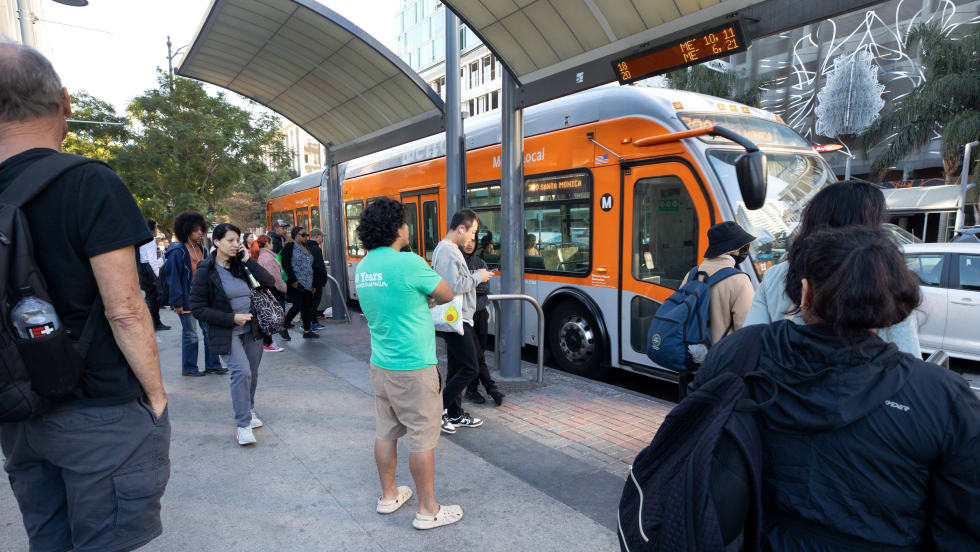
LA Metro Ridership Continues Growth as Rail Gains Accelerate
New rail connections and major events help drive continued ridership gains, with Metro recording its eighth consecutive month of year-over-year rail growth.
Read More →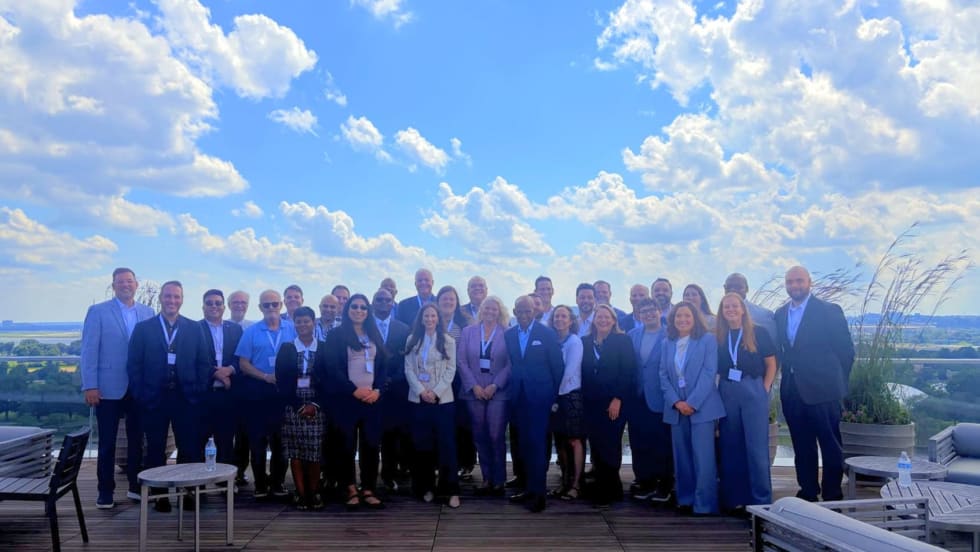
TransDASH Summit Focuses on Measuring What Matters in Transit
Transit agencies unveil a national performance platform designed to benchmark customer experience, safety, community value, and other outcomes.
Read More →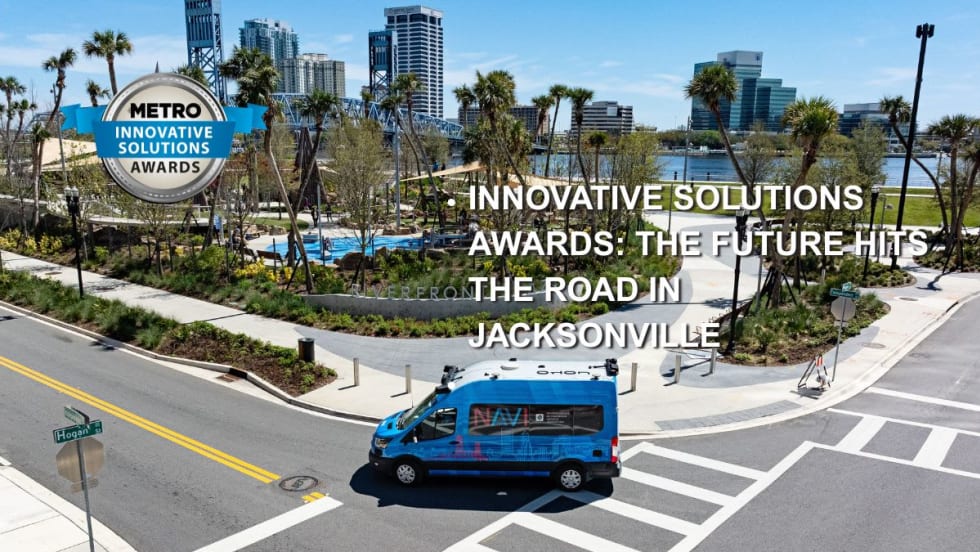
Jacksonville’s NAVI Project Charts a New Course for Autonomous Public Transportation
Through its NAVI program, JTA is showing how autonomous vehicles, intelligent infrastructure, and coordinated operations can work together to deliver everyday public transportation.
Read More →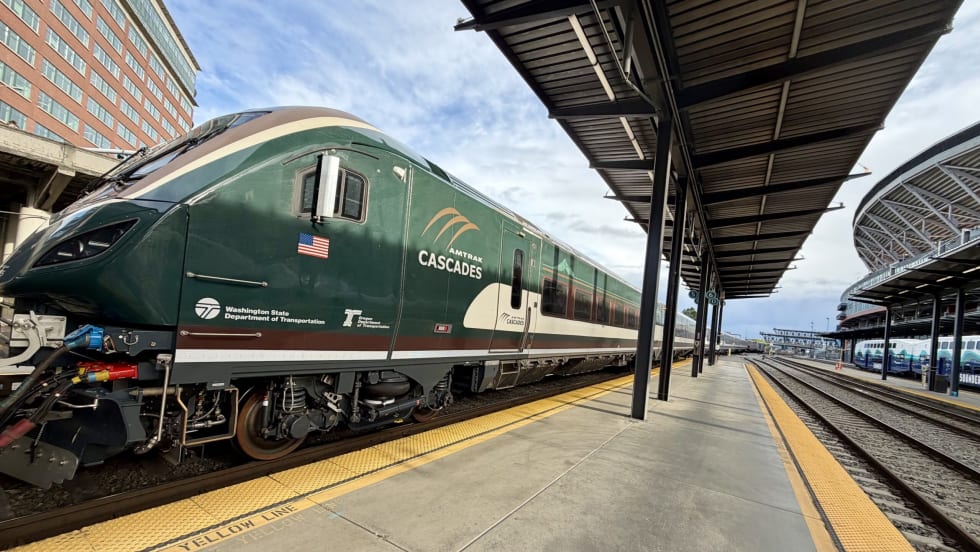
FRA Announces $5.3B in Rail Investments, Including $2B for Amtrak
Funding will support grade-crossing improvements, infrastructure upgrades, and new Amtrak equipment in 23 states.
Read More →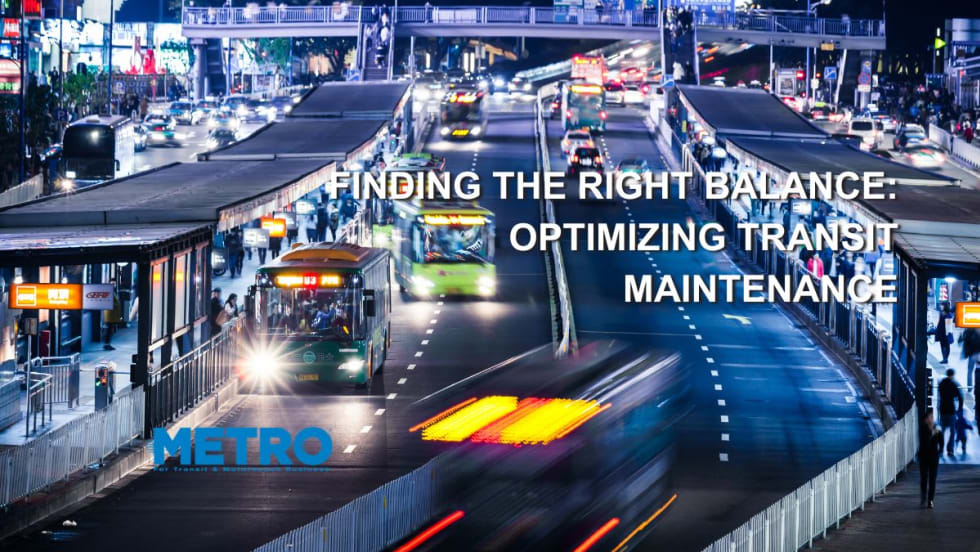
Finding the ‘Happy Medium’: Optimizing Maintenance Without Sacrificing Reliability
The key to maintenance optimization isn’t doing less work—it’s doing the right work at the right time on the right assets.
Read More →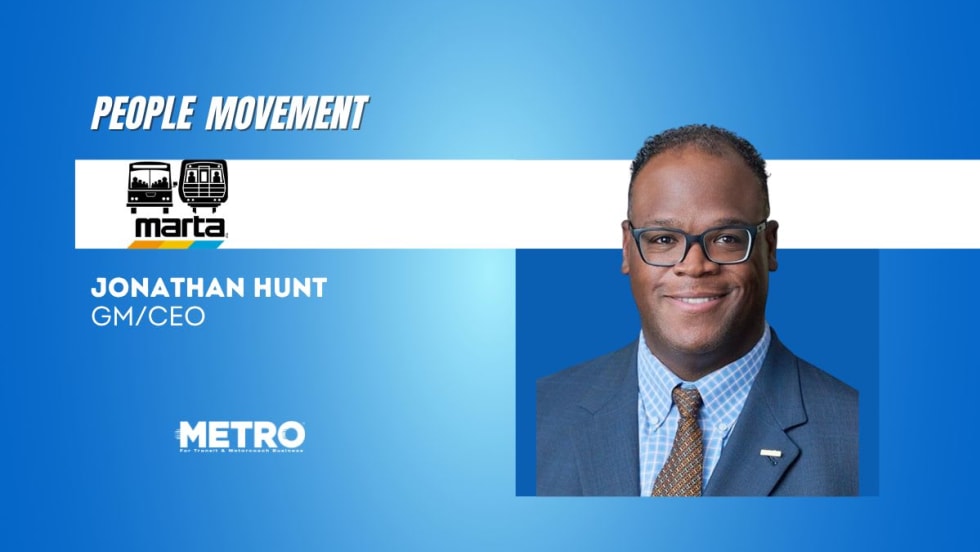
People Movement: MARTA Drops Interim Tag on GM/CEO Hunt and More
In this edition, METRO covers recent appointments and announcements at the FMCSA, HDR, SilverRide, and more, showcasing the individuals helping to shape the future of transportation.
Read More →
VIA Metropolitan Transit Reports 2 Million More Passenger Trips as Better Bus Plan Gains Momentum
San Antonio's transit agency said accelerated service improvements are driving ridership growth, offering another example of how increased frequency and workforce investments can translate into stronger transit performance.
Read More →
ABAF Study Reveals Growing Insurance Crisis for Motorcoach Operators
Preliminary findings show 98% of operators faced premium increases over the past five years, while shrinking insurer participation is putting added pressure on businesses and customers.
Read More →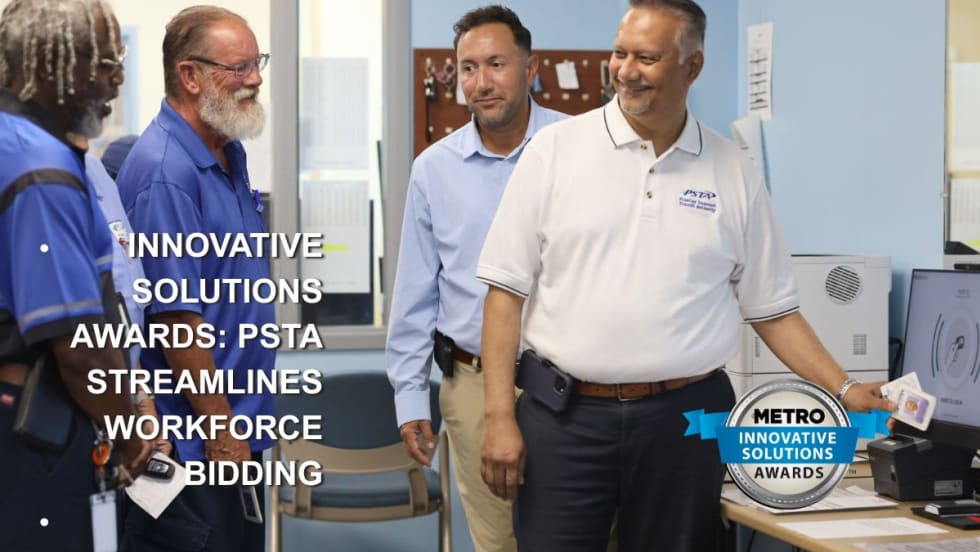
PSTA Modernizes Workforce Management with Digital Bidding System
The award-winning Workforce Transit Modernization project replaced paper bidding with a transparent digital platform, cutting administrative effort while improving access for operators.
Read More →
Chicago to Host Public Transportation's Biggest Gathering at APTA TRANSform & EXPO 2026
North America’s largest public transportation gathering returns to Chicago, connecting transit decision-makers with the technologies, ideas, and partnerships driving the industry forward.
Read More →