




RELATED: Rail agencies adopt FRA's 'close call' reporting system
Metro-North implements Confidential Close Call Reporting System
The information about close call incidents enables the railroad to identify factors that contribute to accidents or injuries and to correct these problems before they result in harm.
January 20, 2016
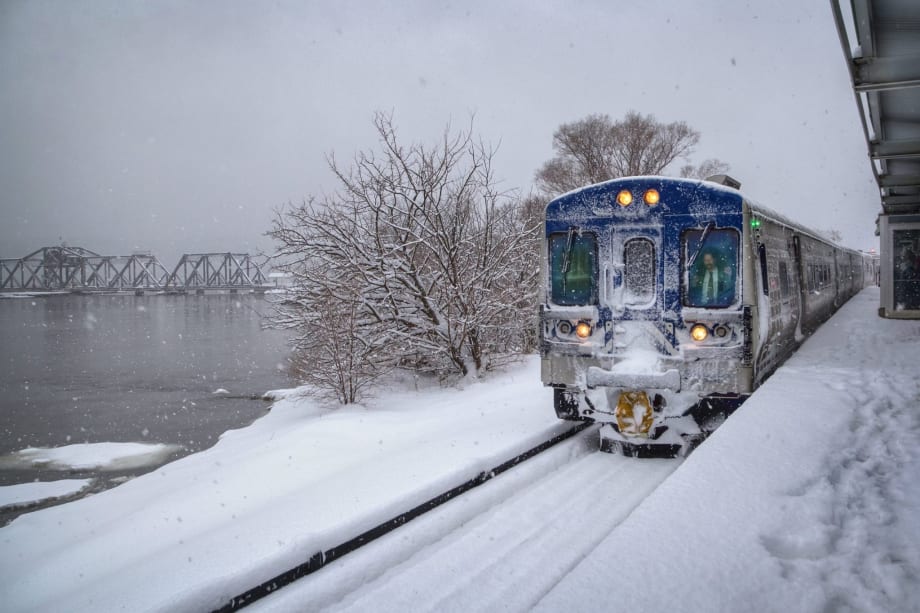
Photo: Emily Moser
3 min to read
Photo: Emily Moser
MTA Metro-North Railroad announced Jan. 21, 2016 the extended implementation of Confidential Close Call Reporting System (C3RS), an industry-leading initiative designed to encourage workers to report any potential safety hazard or breach of procedures that they may observe by providing them with a convenient, non-confrontational and anonymous method to do so.
The Confidential Close Call Reporting System (C3RS) is a partnership between the National Aeronautics and Space Administration (NASA), the Federal Railroad Administration (FRA), in conjunction with participating railroad carriers and labor organizations. C3RS was first rolled out in 2015 to approximately 1,500 transportation department employees, represented by the Association of Commuter Rail Employees (ACRE), including conductors, engineers and rail traffic controllers.
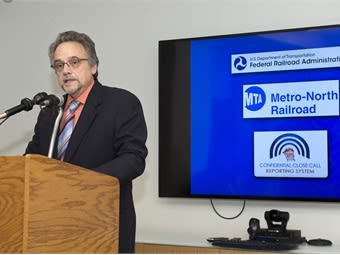
Metro North President JosephGiulietti Photo: Metropolitan Transportation Authority/Patrick Cashin
Metro-North President Joseph Giulietti, labor organizations representing 4,000 employees, and FRA Deputy Regional Administrator Les Fiorenzo have signed a Memorandum of Understanding (MOU) describing the core principles and values to successfully implement the program to its mechanical and engineering workers. Metro-North is the first commuter railroad to implement the system with all of its operations workforce throughout the entire network.
“I am proud to put my signature on a document that provides the opportunity to continue the initiatives we have already put in place to enhance railroad safety,” said Giulietti. “This program confirms how much we depend on our employees to detect potential risks to our operations. They are the eyes and ears of Metro-North and we appreciate their contribution to making the system run safely and efficiently.”
C3RS is an FRA-funded program that provides a voluntary, non-punitive approach for employees to report certain incidents and close call events that pose the risk of more serious consequences. A third party (NASA) will receive the details of the incident via an online form and de-identify the information before presenting it to a Peer Review Team (PRT) consisting of local representatives from the FRA, Metro-North and labor unions representing 4,000 mechanical and engineering employees.
Those unions are: The American Railway Supervisors Association/ Transportation Communications Union/International Association of Machinists (ARASA/TCU/IAM and ARASA/TCU/IAM 5041), International Association of Machinists and Aerospace Workers (IAMAW), International Brotherhood of Electrical Workers (IBEW System Council Number 7, IBEW Local 1573), National Conference of Firemen & Oilers (NCFO), International Association of Sheet, Metal, Air, Rail and Transportation Workers (SMART-SM), Association of Commuter Rail Employees (ACRE Signalman Division Local 166, ACRE Power Directors Local 37), Transportation Workers Union (TWU Local 2055, TWU Local 2001), and International Brotherhood of Teamsters (IBT Local 808).
“Every day, nearly 300,000 people count on Metro-North to transport them safely to their jobs in the morning and home to their families every night. Starting a Confidential Close Call Reporting System for its mechanical and engineering Departments is another important step toward improving Metro-North’s safety culture, preventing accidents before they happen and increasing worker safety,” said FRA Administrator Sarah Feinberg.
Other railroads currently using C3RS include Long Island Rail Road, New Jersey Transit, Amtrak and Strasburg Rail Road. Reporting results from each railroad provide the chance to see industrywide trends in close call incidents and use the information to prevent similar or more serious incidents from recurring.
While the reporting of close call events will not be used as a substitute for any existing Metro-North safety programs or reporting procedures, it will serve as an additional tool for improving safety. The information about close call incidents enables the railroad to identify factors that contribute to accidents or injuries and to correct these problems before they result in harm. It will increase productivity and cost savings by reducing claims and litigation as well as time lost from injuries. The program will also help to decrease damage to railroad property and the environment.
More Security and Safety

Transit Agencies Highlight Safety Gains at National Summit
Leaders from 15 major transit systems shared crime-reduction results and safety initiatives while discussing the role of continued federal support.
Read More →
DART Launches Major Security, Fare Enforcement Initiative
The 90-day demonstration will deploy coordinated security teams at five light rail stations while testing controlled access and gathering data to guide future investments.
Read More →
RTD Launches NextRide App to Consolidate Trip Planning, Fares, Security Reporting
The app expands on RTD’s existing NextRide web application and allows customers to view real-time vehicle locations and service alerts, purchase and store digital fares, and access customer support.
Read More →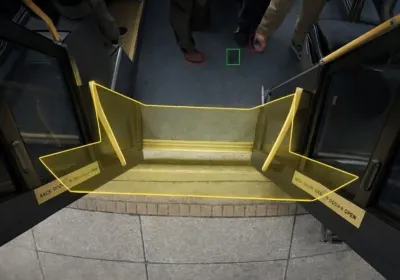
TAPTCO Updates OSHA Compliance Training for Transit Maintenance Operations
The revamped program addresses 26 OSHA standards for maintenance facilities, with TAPTCO pointing to training, documentation, and everyday shop hazards as continuing challenges for transit operations.
Read More →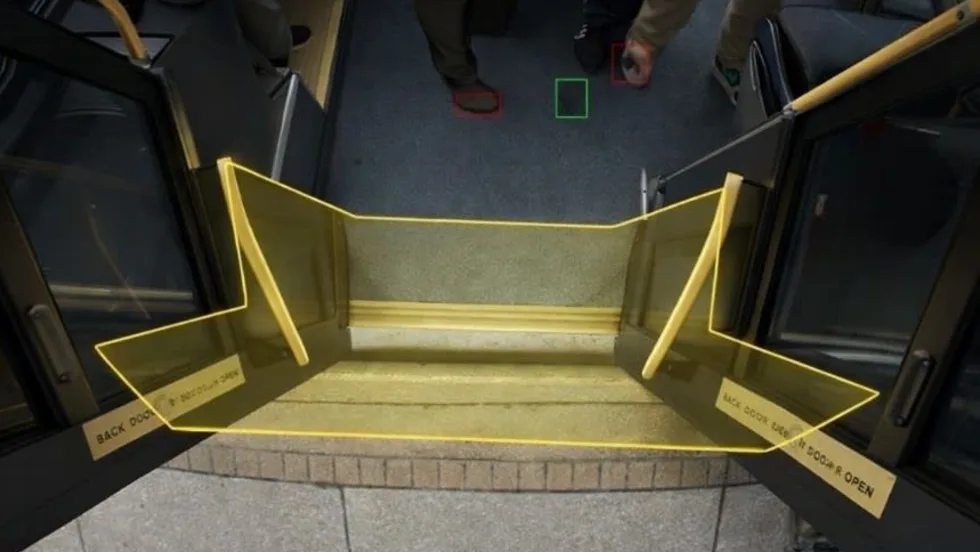
Sponsored•August 18, 2026
How VaporVision Adds Value to Transit Door Systems
Wabtec engineers explain how the system improves doorway detection, strengthens diagnostics and gives transit agencies and OEMs greater operating flexibility.
Read More →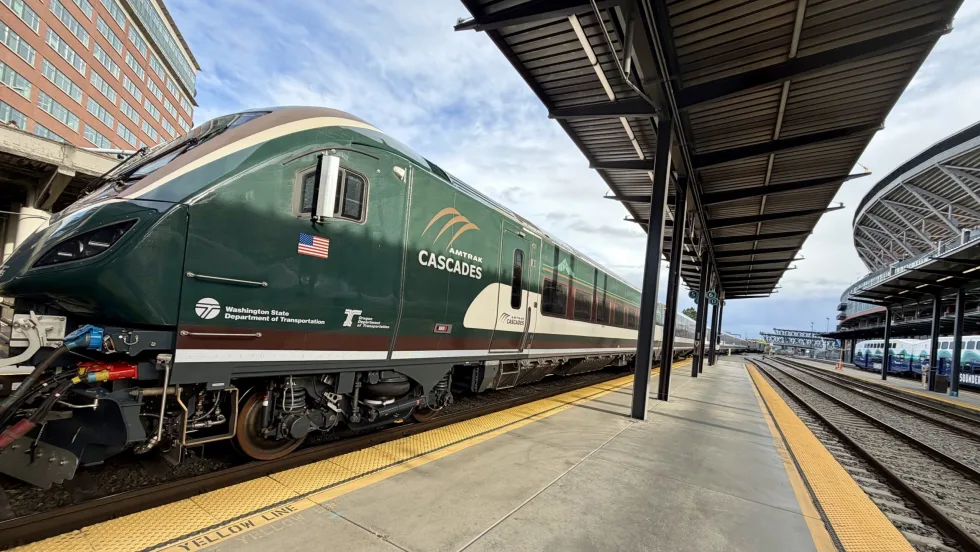
FRA Announces $5.3B in Rail Investments, Including $2B for Amtrak
Funding will support grade-crossing improvements, infrastructure upgrades, and new Amtrak equipment in 23 states.
Read More →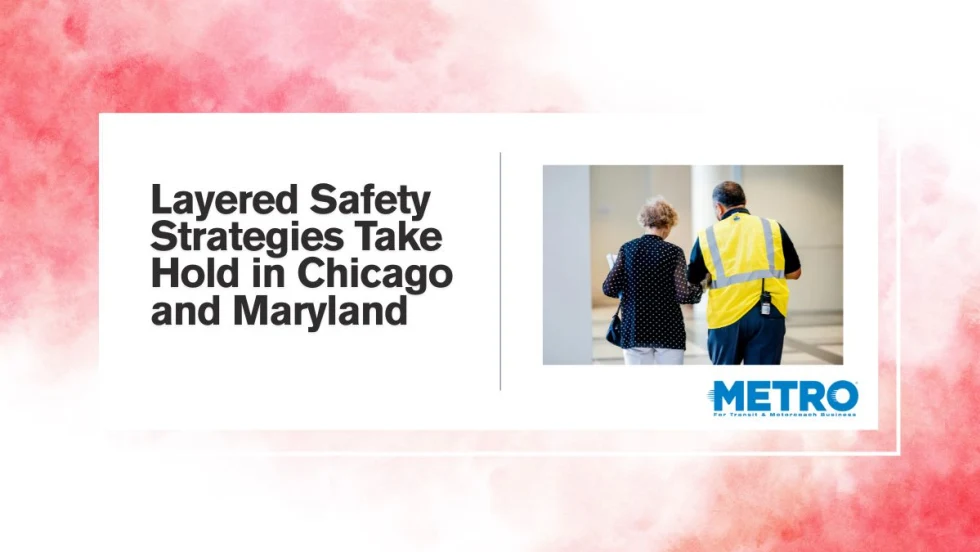
Chicago, Maryland Expand Non-Law-Enforcement Safety, Rider Support
The CTA and MTA are launching new programs aimed at de-escalation, crisis response, rider assistance, and greater transparency.
Read More →
LA Metro, City of West Hollywood, and Partners Advance Smarter Bus Lane Enforcement
The award-winning partnership combines AI-powered detection with human oversight to improve bus reliability, accessibility, and enforcement efficiency.
Read More →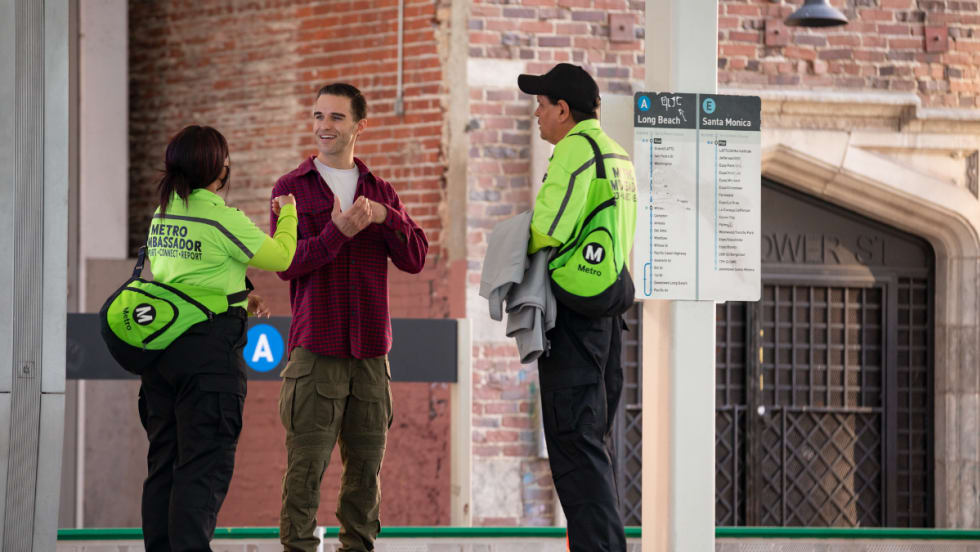
LA Metro Reports 57% Decline in Homelessness on Transit System Since 2024
The agency's latest homelessness count offers new data on how care-based services and cross-sector partnerships can complement traditional transit security strategies.
Read More →
FTA Launches 'Transit Moves America' Dashboard to Highlight Agency Safety and Performance
The online dashboard transforms National Transit Database information into a public-facing resource that allows users to compare transit agencies on key operational and safety metrics.
Read More →