




More About MNR: East Side Access Close to Becoming Reality
Metro-North Railroad Celebrates 40 Years
New Year’s Day marked the 40th anniversary of the founding of MTA Metro-North Railroad, which began operation on Jan. 1, 1983.
January 3, 2023
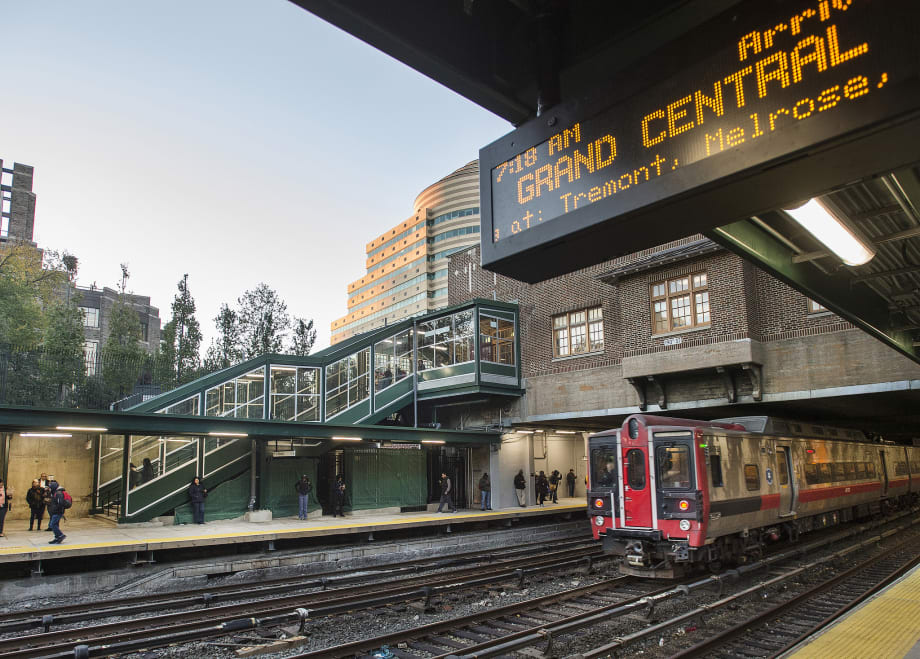
In New York City, Metro-North Railroad restored Grand Central Terminal and the Park Avenue Tunnel that leads to it in the mid-1990s.
Credit:
MTA/PatrickCashin
3 min to read
The Metropolitan Transportation Authority (MTA) noted that New Year’s Day marked the 40th anniversary of the founding of MTA Metro-North Railroad, which began operation on Jan. 1, 1983.
Metro-North has made dramatic advances in service, safety, and accessibility; rebuilt the infrastructure it had inherited and made it resilient to climate change; renewed Grand Central Terminal; acquired more than 800 modern new railcars; brought service to seven new stations; and implemented the nation’s most-used transit agency app, TrainTime, combining real-time train locations with ticketing and customer service chat. As a result of the investments and improvements, ridership had more than doubled, to 86.6 million trips per year, just prior to the pandemic.
“To see how far Metro-North has come in 40 years gives me, and every Metro-North employee, a deep sense of pride,” said Metro-North President and LIRR Interim President Catherine Rinaldi. “A lot has changed since 1983, but the Metro-North core principles remain the same: providing safe and reliable service and the best customer experience possible. As we look ahead to the next ten years, we hope to celebrate Metro-North's 50th anniversary having fully recovered our pre-pandemic ridership, with a fully rebuilt Park Avenue Viaduct and a new direct service to Penn Station.”
The railroad has activated Positive Train Control, while making significant strides in station accessibility for all riders. On-time performance rose from 80.5% in 1983 to greater than 97% for each of the past three years, even as the number of trains rose 45%, from 159,344 in 1985, the first year for which records are available, to 230,787 annually just before the pandemic. Today, ridership continues its recovery, with Metro-North back to carrying 65% to 70% of its pre-pandemic riders.
Metro-North has extended electrification of the Harlem Line 29 miles from North White Plains to Southeast, and in 2000 extended the Harlem Line five miles to two new stations, Tenmile River and Wassaic. A third main track was installed in 2004 between Fleetwood and Crestwood, which provided additional capacity for increased Harlem Line service; new express trains to the Upper Harlem segment; increased service to Bronxville, Tuckahoe, and Crestwood; and an expanded reverse-peak service, providing access to Westchester employment centers for Manhattan and Bronx residents. In 1999 MNR opened a modern, large new station at Cortlandt on the Hudson Line.
In New York City, the railroad restored Grand Central Terminal and the Park Avenue Tunnel that leads to it in the mid-1990s. It completed a new station at Yankees-E. 153rd Street in 2009, giving baseball and soccer fans the opportunity to use train service for the first time, and established the Hudson Rail Link connecting shuttle bus service in the Spuyten Duyvil and Riverdale neighborhoods in 1994.
To capture economies of scale, the MTA has unified Metro-North railcar purchasing with the Long Island Rail Road, and has merged policing of the two railroads under the MTA Police Department, created in 1998. More recently, the MTA has brought construction activities at all MTA properties together under MTA Construction & Development to further enhance efficiency by streamlining construction, taking advantage of industry best practices and bundling nearby projects across agency lines.
More Rail

New York MTA Advances Final Contract for Second Avenue Subway Expansion
Contract Four is the largest in the Second Avenue Subway Phase 2 project and includes construction of station infrastructure, tracks, and signals for the subway expansion, MTA officials said. Work on Contract Four will begin in 2027.
Read More →
San Diego MTS Breaks Monthly Trolley Ridership Record
Agency officials said July’s ridership indicates MTS’s continued recovery from the pandemic.
Read More →
Report Examines NJ TRANSIT Reliability, Funding Challenges
The Garden State Initiative analysis examines the roles of Amtrak infrastructure, fleet management, and agency operations while recommending a more performance-based approach to improving reliability.
Read More →
Stadler, CapMetro Sign Long-Term Rail Fleet Support Agreement
Beginning in 2027, Stadler will provide on-site technical expertise, spare parts support, training, and obsolescence management to help extend the reliability and longevity of CapMetro’s GTW fleet.
Read More →
Biz Briefs: Alstom Lands Canadian Contract, LYT to Supply California TSP, and More
In METRO's latest installment, we take a look at recent news from Complete Coach Works, Beep, FlixBus, and more partnerships making headlines across the transportation sector.
Read More →
CATS Gold Line Marks 5 Years of Service, 2.8M Passenger Trips
With a six-mile expansion planned, the Charlotte streetcar is positioned to connect more neighborhoods and major transit hubs across the region.
Read More →
Why Simulating Pedestrian Movement Has Become Essential for Modern Rail Stations
Pedestrian microsimulation is helping rail planners identify bottlenecks, test station designs, and prepare complex transit hubs for growing passenger volumes.
Read More →
Amtrak Begins Major Construction at New York’s Sunnyside Yard
The new maintenance facility will support Amtrak’s Airo trainsets while improving maintenance efficiency and turnaround times in New York.
Read More →
Chicago Leaders Unveil Plans for O’Hare Airport Express Train
The privately developed project would offer a 15-minute trip between downtown and O’Hare’s Terminal 2, with trains operating every 15 minutes on a dedicated track. The service would use battery-electric trains and three existing freight rail rights-of-way.
Read More →
OCTA Maps Out 30-Year Strategy to Protect Coastal Rail Corridor
The draft feasibility report identifies strategies to protect the coastal rail line for decades as the agency continues near-term stabilization and sand placement efforts.
Read More →