



Metrolink launches first version of mobile ticketing app
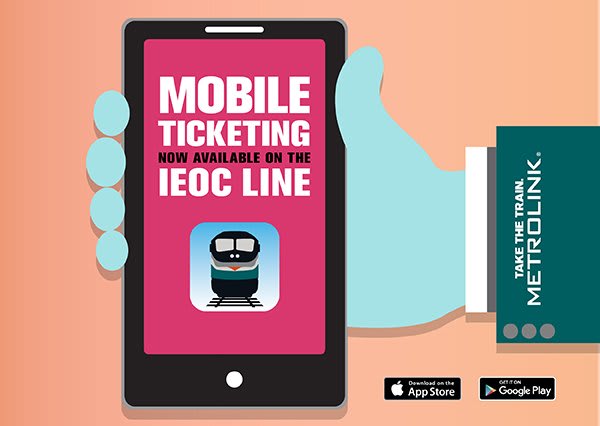
Service is available to Inland Empire - Orange County riders this month and will be available system-wide in early April.

Metrolink
Metrolink
Los Angeles' Metrolink has launched the first version of its mobile ticketing app which will allow its riders the option to purchase their ticket on a smartphone, tablet or other mobile device for the first time in the agency's 23-year history. The app is available in both Google Play and the Apple App stores.
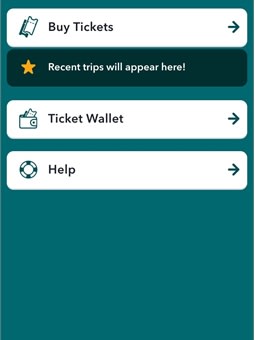
A screenshot of the new app
"This app means easier access for Metrolink riders," said Chair of the Metrolink Board of Directors Shawn Nelson, who is also an Orange County Supervisor representing communities along the Inland Empire-Orange County Line. "The Metrolink Board of Directors is pleased to finally offer our riders this technology as an overdue option."
While the app is available for download by all riders, during the month of March, only Inland Empire - Orange County Line riders will be able to use the app to purchase tickets and connect to local bus operators at no additional cost per the current policy. This gives Metrolink the opportunity to test the app and make any improvements before the app is implemented system-wide.
"By taking a phased approach in the implementation of our new app, Metrolink intends to make regular improvements and upgrades based on feedback from our users," said Metrolink CEO Art Leahy. "Our riders can look forward to continuous improvement of Metrolink service, including mobile ticketing."
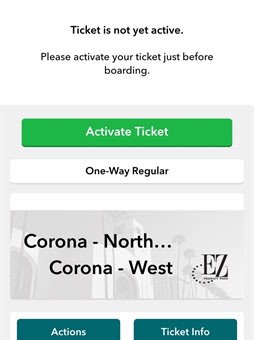
A screenshot of the new app
Beginning in early April, mobile ticketing will be expanded to the entire Metrolink system and include free transfers to participating bus operators including Metro. Initially, riders who transfer to Metro Rail, Corporate QuickCard users and Metrolink riders who take part in the Rail 2 Rail® program with Amtrak should continue to use paper tickets from Metrolink's ticket vending machines.
Metrolink will be implementing a variety of enhancements to enable these users to use mobile ticketing in the future. This fall, barcode readers will be installed on the Metro Rail fare gates, enabling passengers throughout the Metrolink system to buy tickets through the Metrolink Mobile App and continue their commute on dozens of city bus, shuttle bus, light rail and subway lines seamlessly and at no additional cost. Metrolink is also working with Amtrak to allow mobile tickets to be scanned by Amtrak conductors.
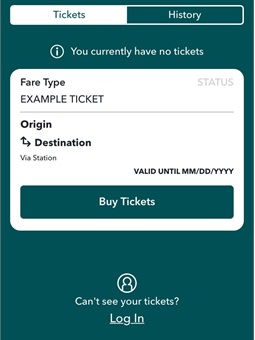
A screenshot of the new app
The Metrolink app uses the Masabi JustRide mobile ticketing system, which is used by other transportation providers across the US and Europe. The company works with more than 22 transport operators and agencies around the world, including: Virgin Trains, Abellio, Thames Clippers, New Orleans RTA, Boston’s MBTA, Las Vegas, Transport for Athens, and New York’s MTA.
Since the agency's inception in 1991, passengers purchasing tickets and passes at stations only had the option of going to a ticket vending machine. Mobile ticketing is Metrolink's first step toward revolutionizing how riders pay to ride the train. In the coming months, Metrolink expects to deliver continued enhancements, such as the ability to buy tickets online for delivery to mobile devices. Tickets and passes will continue to be available at station ticket machines.
More Rail

New York MTA Advances Final Contract for Second Avenue Subway Expansion
Contract Four is the largest in the Second Avenue Subway Phase 2 project and includes construction of station infrastructure, tracks, and signals for the subway expansion, MTA officials said. Work on Contract Four will begin in 2027.
Read More →
San Diego MTS Breaks Monthly Trolley Ridership Record
Agency officials said July’s ridership indicates MTS’s continued recovery from the pandemic.
Read More →
Report Examines NJ TRANSIT Reliability, Funding Challenges
The Garden State Initiative analysis examines the roles of Amtrak infrastructure, fleet management, and agency operations while recommending a more performance-based approach to improving reliability.
Read More →
Stadler, CapMetro Sign Long-Term Rail Fleet Support Agreement
Beginning in 2027, Stadler will provide on-site technical expertise, spare parts support, training, and obsolescence management to help extend the reliability and longevity of CapMetro’s GTW fleet.
Read More →
Biz Briefs: Alstom Lands Canadian Contract, LYT to Supply California TSP, and More
In METRO's latest installment, we take a look at recent news from Complete Coach Works, Beep, FlixBus, and more partnerships making headlines across the transportation sector.
Read More →
CATS Gold Line Marks 5 Years of Service, 2.8M Passenger Trips
With a six-mile expansion planned, the Charlotte streetcar is positioned to connect more neighborhoods and major transit hubs across the region.
Read More →
Why Simulating Pedestrian Movement Has Become Essential for Modern Rail Stations
Pedestrian microsimulation is helping rail planners identify bottlenecks, test station designs, and prepare complex transit hubs for growing passenger volumes.
Read More →
Amtrak Begins Major Construction at New York’s Sunnyside Yard
The new maintenance facility will support Amtrak’s Airo trainsets while improving maintenance efficiency and turnaround times in New York.
Read More →
Chicago Leaders Unveil Plans for O’Hare Airport Express Train
The privately developed project would offer a 15-minute trip between downtown and O’Hare’s Terminal 2, with trains operating every 15 minutes on a dedicated track. The service would use battery-electric trains and three existing freight rail rights-of-way.
Read More →
OCTA Maps Out 30-Year Strategy to Protect Coastal Rail Corridor
The draft feasibility report identifies strategies to protect the coastal rail line for decades as the agency continues near-term stabilization and sand placement efforts.
Read More →