




Read More: Metrolink Sees Highest Single-Day Ridership Since 2020
Metrolink Uses Earthquake Safety Technology for Great California ShakeOut
At 10:19 a.m., Metrolink trains operating on Metrolink-owned tracks were slowed by an automated process initiated by Metrolink’s early earthquake detection system, which was adopted systemwide in March.
October 20, 2023
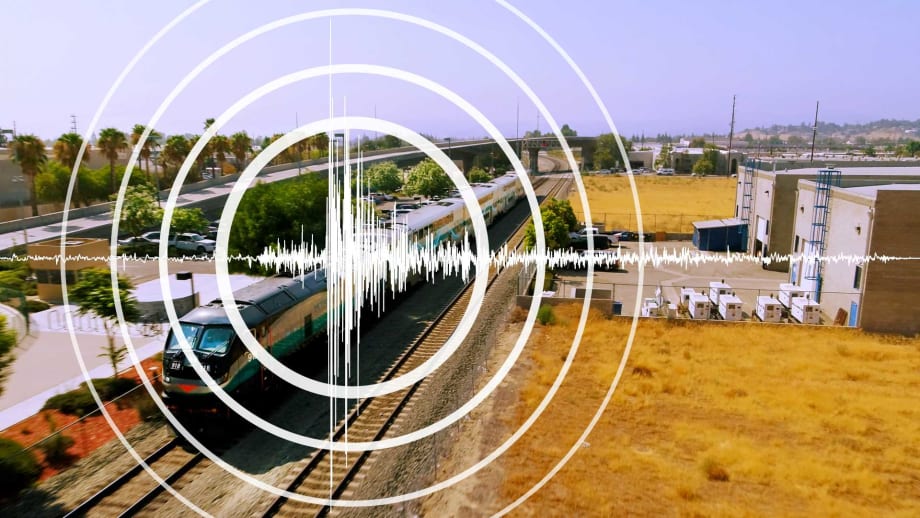
Within seconds of earthquake detection, ShakeAlert relays data, including location, magnitude, and anticipated shaking to Metrolink’s early detection system.
Photo: Metrolink
2 min to read
Metrolink announced that it participated in the annual Great California ShakeOut, a statewide earthquake drill held in conjunction with International ShakeOut Day.
At 10:19 a.m., Metrolink trains operating on Metrolink-owned tracks were slowed by an automated process initiated by Metrolink’s early earthquake detection system, which was adopted systemwide in March.
“In Southern California, earthquakes can happen at any time,” Metrolink CEO Darren Kettle said. “Preparedness is paramount. That’s why Metrolink is setting the bar with a pioneering new early detection system that uses advanced technology to automatically slow or stop our trains in the event of an earthquake. We saw the system in action last August when a magnitude 5.1 earthquake was detected in Ventura County. The Great California ShakeOut is yet another opportunity to showcase this critical tool, while demonstrating our commitment to customer safety.”
Metrolink's Earthquake Detection
Within seconds of earthquake detection, ShakeAlert relays data, including location, magnitude, and anticipated shaking to Metrolink’s early detection system.
Metrolink’s integrated PTC technology then initiates the appropriate automated response to keep impacted trains safe.
ShakeAlert also provides enhanced data to help operational staff evaluate the rail network and safely resume service following a disruption.
During the simulation, trains operating on Metrolink tracks were automatically slowed to a restricted speed of or below 20 mph for several minutes before they were released to resume normal operation.
Conductors on participating trains made an onboard announcement explaining to passengers that they were taking part in a simulation and the slowdown was not due to a real earthquake.
Metrolink trains traveling on partner-owned tracks operated by BNSF Railway, the North County Transit District and Union Pacific received automated notifications informing crews of the simulated drill.
Metrolink participates in the Great California ShakeOut every year as part of the agency’s commitment to improving safety for passengers, employees, and the surrounding community.
More Security and Safety
LADOT to Launch Bus-Mounted Camera Enforcement on DASH Buses
The program will begin with a 60-day warning period before citations are issued in January 2027, joining similar efforts across Southern California to improve bus reliability, safety, and accessibility.
Read More →
New York MTA Launches Historic $1.9B Signal, Track Modernization Project
Funded in part by congestion pricing revenue, the project will replace nearly century-old signals along the A and C lines in Brooklyn and Queens.
Read More →
CSA Group Releases Climate Resilience Standard for Transit, Passenger Rail
Developed with support from the Standards Council of Canada, CSA D700 guides assessing climate-related risks and planning adaptation measures for transit and passenger rail systems.
Read More →
San Diego MTS Approves New Fare Evasion Penalty Program
The new administrative process will move eligible violations out of the criminal court system, cap penalties at $125, and provide flexible payment options for riders.
Read More →
RTC of Southern Nevada Reports 29% Drop in Transit Operator Assaults
The agency credits expanded security measures, employee training, and technology investments for improvements in transit safety, while security officers have responded to 19 suspected overdoses since July.
Read More →
Public Transit Conference Returning to GFX in 2027, Call for Papers Now Open
The Call for Papers is now open, allowing transit agency professionals and industry experts to help shape the PTC educational program by submitting session ideas for consideration.
Read More →
Safe Transit Act Proposes New Security Requirements for Federal Transit Funding
Proposed legislation would link federal transit dollars to safety measures while requiring security investments, onboard cameras, and new fare collection standards.
Read More →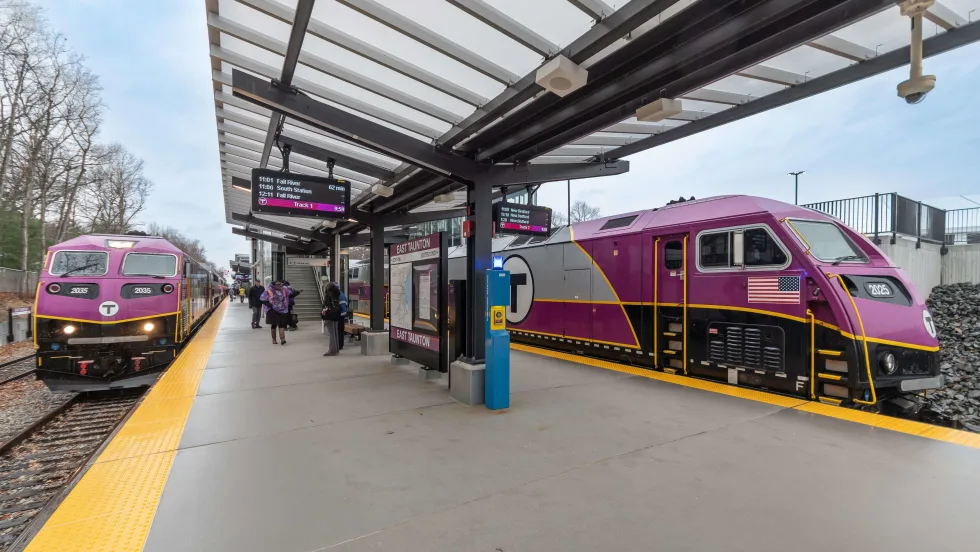
FTA Ends Direct Oversight of MBTA Safety Actions
The federal agency closed its remaining special directive to the Massachusetts Department of Public Utilities following a safety review that began in 2022.
Read More →
Transit Agencies Highlight Safety Gains at National Summit
Leaders from 15 major transit systems shared crime-reduction results and safety initiatives while discussing the role of continued federal support.
Read More →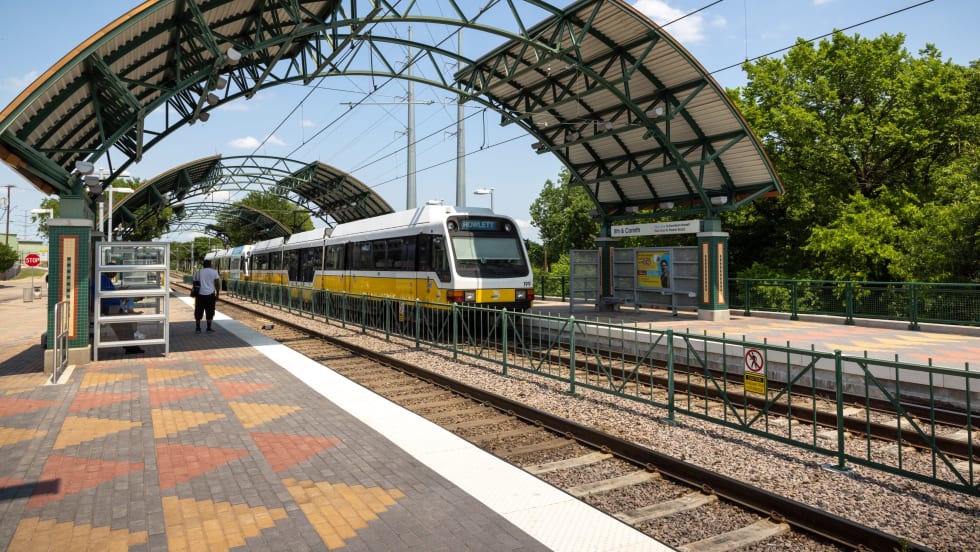
DART Launches Major Security, Fare Enforcement Initiative
The 90-day demonstration will deploy coordinated security teams at five light rail stations while testing controlled access and gathering data to guide future investments.
Read More →