



Michigan’s Ferris State U. to pilot bus service
After research recently conducted by a Ferris task force yielded sufficient interest from students, prospective students and faculty, the university will move forward with The Rapid bus service to the main campus in Big Rapids.

In a special board meeting last week, the Ferris State University board of trustees approved contracting with The Rapid to provide bus transportation between its hub in downtown Grand Rapids and Ferris’ Big Rapids campus beginning next fall.
The agreement is contingent upon final approval by The Rapid board of trustees, which will consider the matter at its May 25 board meeting.
The primary purpose of providing bus service between Grand Rapids and Ferris’ main campus in Big Rapids is to make it easier for current and prospective students from the Grand Rapids area to enroll at Ferris’ Big Rapids campus, according to Vice President for Administration and Finance Jerry Scoby.
Scoby said that although the idea is not new, the university decided to move forward with bus service between the two cities after research recently conducted by a Ferris task force yielded sufficient interest by current and prospective students and faculty and staff, living in Kent County to proceed with piloting the initiative for at least two years.
The proposed bus service would run Monday through Friday on days classes are held during the fall and spring semesters, with no summer service. The bus would make two morning and two afternoon trips on a schedule that allows students traveling from Grand Rapids to arrive in time for 8 a.m. classes on the Big Rapids campus and depart at various intervals later in the day. Trips would originate from The Rapid’s central station in Grand Rapids, stopping near Grand Rapids Community College and Ferris’ Kendall College of Art and Design, as well as the park-and-ride public lot at the M-57 exit along US 131.
Although it is not known how many Ferris students would actually use the service, the university administration believes there should be sufficient capacity on the 40-seat commuter bus to accommodate faculty and staff, as well.
Annual costs to operate the bus service are estimated at $100,000 and would be covered by a combination of university funding and revenue from rider fares. Under the plan, Ferris would evaluate the ridership after two years of operation and determine whether it is feasible to continue the service.
More Bus
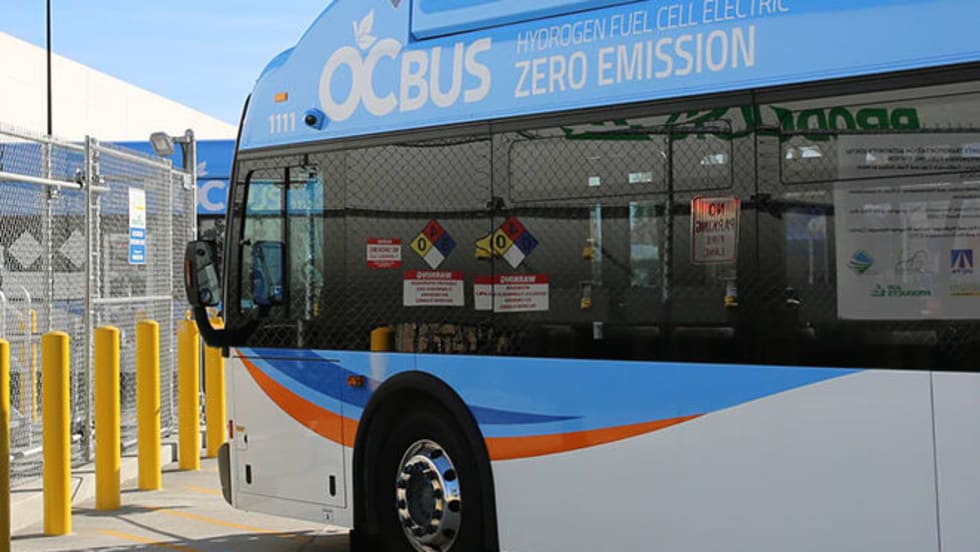
Biz Briefs: OCTA Taps Clean Energy for Hydrogen Station, Stadler to Supply Via Rail Vehicles, and More
From manufacturers and suppliers to transit agencies and motorcoach operators, these updates offer a snapshot of the projects, partnerships and business moves driving the industry forward.
Read More →
METRO Magazine Announces 2026 Innovative Solutions Awards Winners
Projects Recognized for Advancing Mobility Through Technology, Accessibility, Workforce Innovation, and Operational Excellence
Read More →
Biz Briefs: STV teams with Amtrak, Motorcoach Operators Boost Fleet and Land Contracts, and More
From manufacturers and suppliers to transit agencies and motorcoach operators, these updates offer a snapshot of the projects, partnerships and business moves driving the industry forward.
Read More →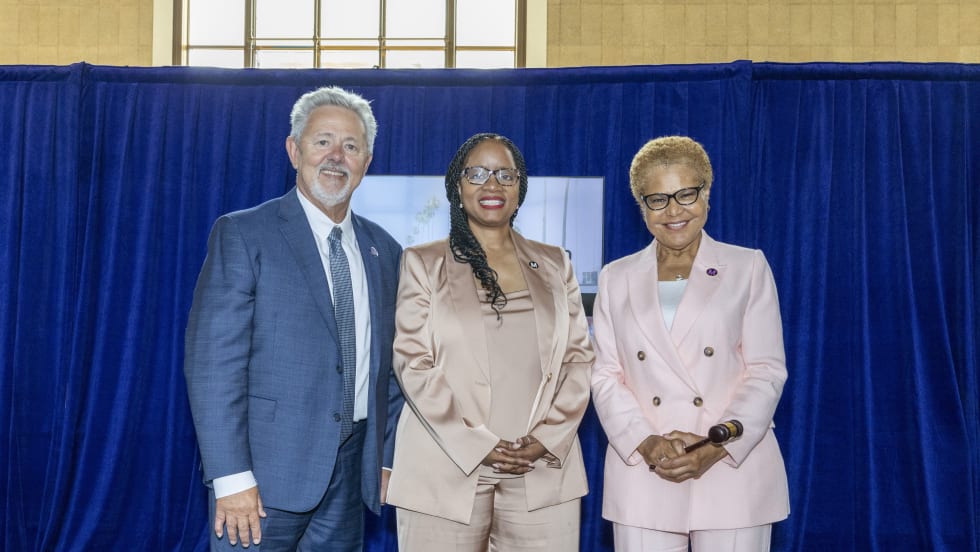
LA Metro Marks Banner Year, Sets Ambitious Goals for New Fiscal Year
Incoming LA Metro Board Chair and Los Angeles Mayor Karen Bass joined outgoing Board Chair Fernando Dutra and LA Metro CEO Stephanie Wiggins to review accomplishments from fiscal year 2026, which included the opening of new rail extensions, advancement of major transit projects, expanded safety programs, and new rider amenities.
Read More →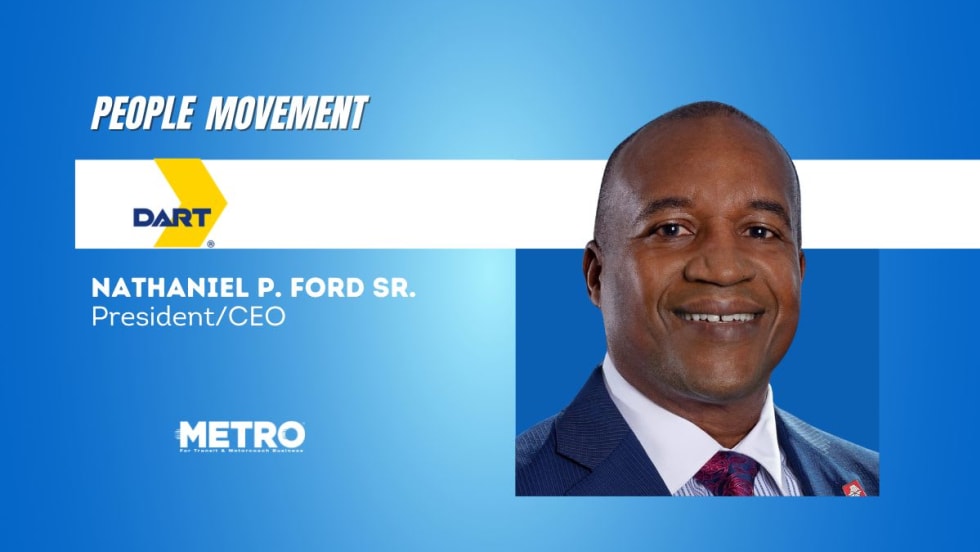
DART Taps Nathaniel P. Ford Sr. as Next President/CEO
Since 2012, Ford has served as the CEO of the Jacksonville Transportation Authority
Read More →
AC Transit’s Cecil Blandon on Building the Next Generation of Transit Maintenance Leaders
The agency’s maintenance chief discusses leadership, workforce development, zero-emission technology, and preparing technicians for the future of public transportation.
Read More →
Building the Next Generation of Transit Technology
In this edition of METROspectives, Luminator CEO Magnus Friberg discusses the company's transformation, the growing role of AI and software, and what's next for transit technology.
Read More →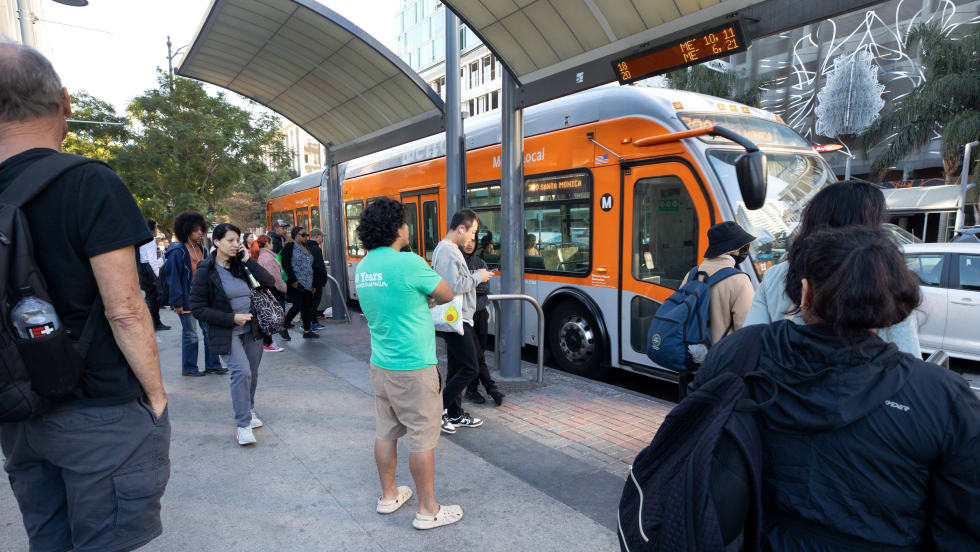
June LA Metro Ridership Surges 2 Million Year Over Year
Total June ridership increased for both weekdays and weekends. Weekday ridership was 953,820, which grew 8.4% from June 2025; Saturdays increased nearly 13% year-over-year to 708,826; and Sundays increased 7.7% to 611,534 from June 2025, according to LA Metro.
Read More →
Washington's Pierce Transit Board Sends Transit Funding Measure to November Ballot
With the adoption of Resolution 2026-006, the measure moves to the Pierce County Auditor, giving voters in the Pierce Transit service area the decision on whether to fund an expansion of local transit service within the agency’s service area.
Read More →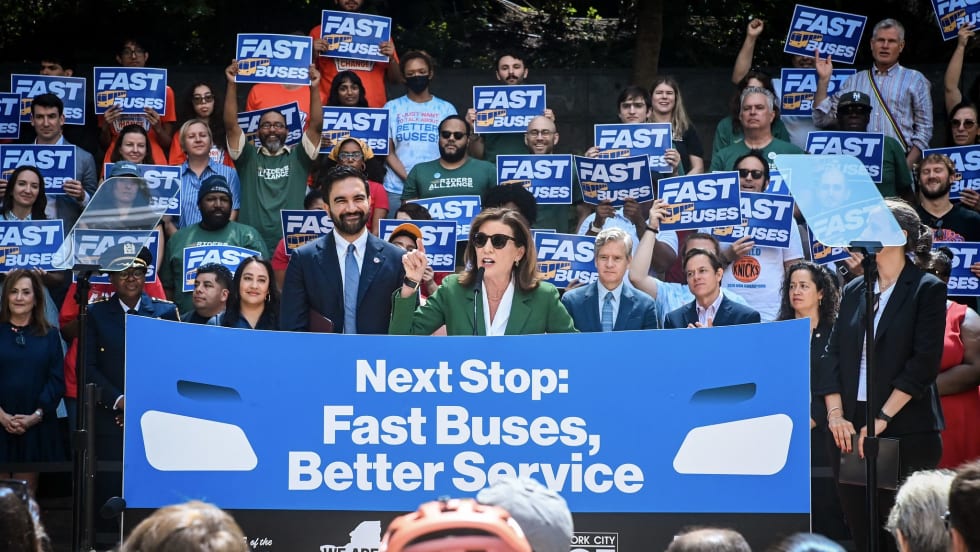
New York Unveils Sweeping Plan to Modernize City Bus Service
Next Stop: Fast Buses, Better Service identifies 50 priority bus corridors for improvements across the five boroughs and launches the City’s next generation of rapid bus service along five key routes.
Read More →