



Motorcoach Census Finds Industry Carries 860 Million Passengers Annually
Carrying more passengers than the rail and airline industries, the motorcoach industry annually carries 860 million passengers in the United States and Canada.

Carrying more passengers than the rail and airline industries, the motorcoach industry annually carries 860 million passengers in the United States and Canada. That is according to the American Bus Association's Motorcoach Census 2000, the first full-scale profile of the industry in nearly two decades. "We are letting everyone know who and what the bus industry is," said Peter Pantuso, president of the ABA. "It will help us move forward and work with those who have an impact and influence on the industry." Information gathered on more than 2,000 motorcoach companies shows that most companies (90%) are small businesses operating fewer than 25 buses. Those companies run about 19,000 buses, 40% of the total bus fleet. Seventy-five percent of the small companies run fewer than 10 buses. More than 50% of the passengers are carried by 50 large companies that operate more than 100 buses. Those companies operate about 11,000 buses, 25% of the total fleet. Companies operating more than 100 buses carried more than 10 million passengers in 1999. The motorcoach industry, made up of about 4,000 companies and 44,000 buses, offers a variety of services. Half of the industry's 2.6 billion traveled miles was spent on scheduled intercity service. One-third of the mileage was spent on charters and the rest on airport shuttles, tours, sightseeing, contract commuters and other services. Reports from 630 carriers show that 35% of known motorcoaches traveled about 800 million miles last year. Based on mileage for about 11,400 motorcoaches, each vehicle averaged about 50,300 miles. The annual fuel consumption per motorcoach (based on 540 responses) averaged 9,000 gallons and the average fuel consumption rate was 5.88 miles per gallon. The survey also compiled employment information from about 1,400 carriers. Those carriers employ about 90,000 with smaller carriers reporting more employees per motorcoach than large companies. The survey will allow for more accurate research to be done on the motorcoach industry, Pantuso said. Upcoming research may include a look at the impact of motorcoach travel on any given area, the impact of motorcoaches on reducing congestion and a detailed economic analysis, he said. Information for the survey, compiled by transportation firm R.L. Banks & Associates, was retrieved by mail surveys submitted by 1,000 motorcoach operators. Recent profiles provided information on the remaining 1,030. The 2,000 respondents represent about 30% of the 6,900 known motorcoach operators in the U.S. and Canada.
More Management
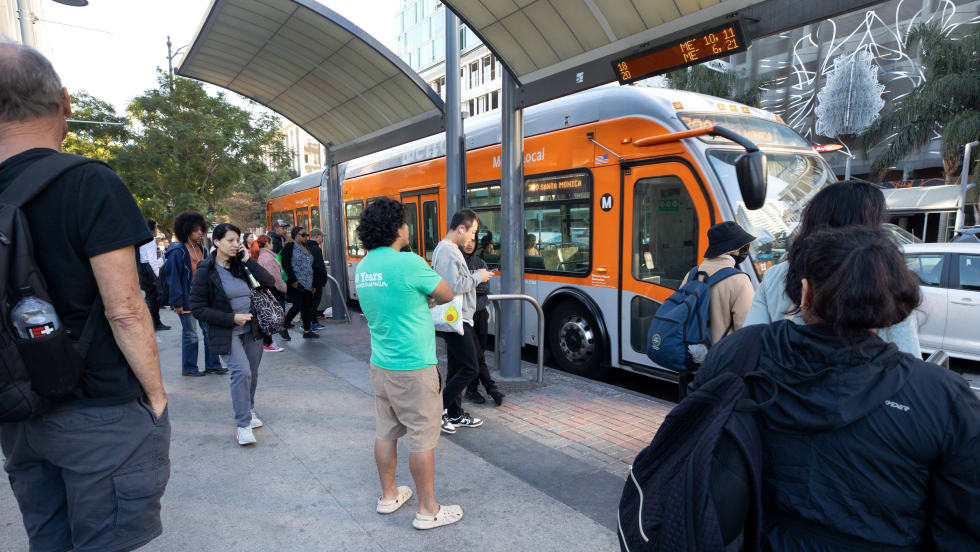
LA Metro Ridership Continues Growth as Rail Gains Accelerate
New rail connections and major events help drive continued ridership gains, with Metro recording its eighth consecutive month of year-over-year rail growth.
Read More →
TransDASH Summit Focuses on Measuring What Matters in Transit
Transit agencies unveil a national performance platform designed to benchmark customer experience, safety, community value, and other outcomes.
Read More →
Jacksonville’s NAVI Project Charts a New Course for Autonomous Public Transportation
Through its NAVI program, JTA is showing how autonomous vehicles, intelligent infrastructure, and coordinated operations can work together to deliver everyday public transportation.
Read More →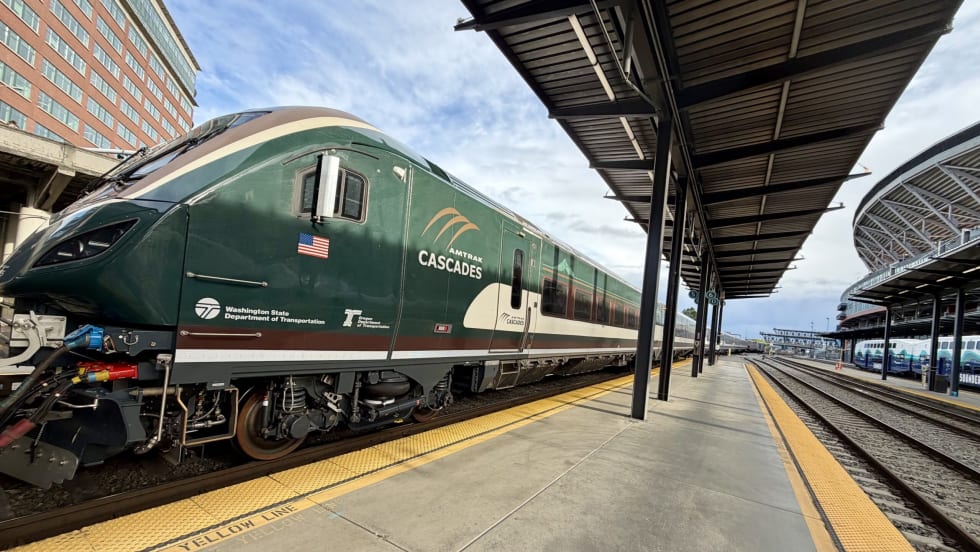
FRA Announces $5.3B in Rail Investments, Including $2B for Amtrak
Funding will support grade-crossing improvements, infrastructure upgrades, and new Amtrak equipment in 23 states.
Read More →
Finding the ‘Happy Medium’: Optimizing Maintenance Without Sacrificing Reliability
The key to maintenance optimization isn’t doing less work—it’s doing the right work at the right time on the right assets.
Read More →
People Movement: MARTA Drops Interim Tag on GM/CEO Hunt and More
In this edition, METRO covers recent appointments and announcements at the FMCSA, HDR, SilverRide, and more, showcasing the individuals helping to shape the future of transportation.
Read More →
VIA Metropolitan Transit Reports 2 Million More Passenger Trips as Better Bus Plan Gains Momentum
San Antonio's transit agency said accelerated service improvements are driving ridership growth, offering another example of how increased frequency and workforce investments can translate into stronger transit performance.
Read More →
ABAF Study Reveals Growing Insurance Crisis for Motorcoach Operators
Preliminary findings show 98% of operators faced premium increases over the past five years, while shrinking insurer participation is putting added pressure on businesses and customers.
Read More →
PSTA Modernizes Workforce Management with Digital Bidding System
The award-winning Workforce Transit Modernization project replaced paper bidding with a transparent digital platform, cutting administrative effort while improving access for operators.
Read More →
Chicago to Host Public Transportation's Biggest Gathering at APTA TRANSform & EXPO 2026
North America’s largest public transportation gathering returns to Chicago, connecting transit decision-makers with the technologies, ideas, and partnerships driving the industry forward.
Read More →