



Motorcoach industry rebounds from 9/11 effects
More than 60 ABA private bus operator members who applied for bus security grants earlier in the year will receive nearly $19 million in federal assistance to help them make security improvements to their operations.

Two years after the events of Sept. 11, the motorcoach industry continues to rebound from the devastating effects and works to implement enhanced security measures in the industry, the American Bus Association (ABA) reported Thursday. Like other industries, the motorcoach industry was significantly affected by the events and the resulting decline in travel and tourism. Peter J. Pantuso, ABA president and CEO, explained that rebounding from the attacks has been difficult at times for the industry. People stopped traveling after Sept. 11, which caused some businesses to lay off employees, some to cancel services and some to close their doors completely. Increased security alerts, for example, further hampered recovery by causing travelers to cancel trips. According to surveys conducted by ABA, motorcoach operators, so many of which are small businesses, reported losses of $500 to more than $650,000 due to heightened security warnings. Travel destinations reported losses as well. During the heightened security warnings, ABA travel members reported losses from $5,000 to more than $2.5 million. Since then, the ABA has been working to help its members weather the challenging time by distributing security materials and helping to secure security grant funding for operators. More than 60 ABA private bus operator members who applied for bus security grants earlier in the year will receive nearly $19 million in federal assistance to help them make security improvements to their operations. Before leaving for August recess, the Senate unanimously approved S. 929, the Over-the-Road Bus Security and Safety Act of 2003, and earlier this year, the House Transportation and Infrastructure Committee approved similar legislation. "Our industry is nothing if not resilient, and we will continue to find ways to help our members regain footing and presence in the industry," Pantuso said.
More Management
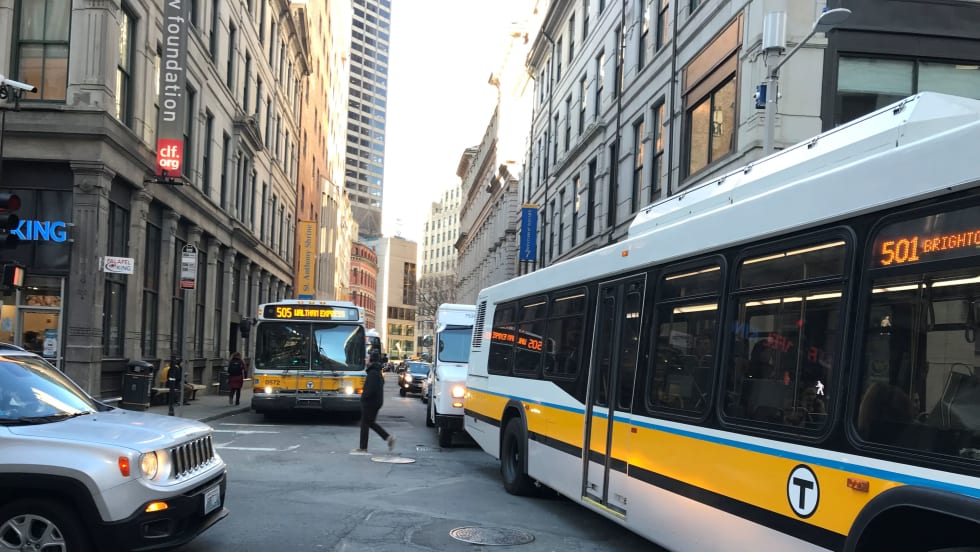
MBTA Rolls Out Pilot Programs to Cut Costs, Simplify Travel
Three new fare pilots — including unlimited two-hour transfers, reduced express bus fares, and free transit for eligible seniors — will launch this fall as Massachusetts extends popular commuter rail discounts through November.
Read More →
FTA Opens $610 Million Funding Opportunity for Bus Infrastructure Projects
The latest Notice of Funding Opportunity provides transit agencies with funding for bus facilities, fleet modernization, and low- and no-emission vehicles, with applications due September 21.
Read More →
Biz Briefs: STV teams with Amtrak, Motorcoach Operators Boost Fleet and Land Contracts, and More
From manufacturers and suppliers to transit agencies and motorcoach operators, these updates offer a snapshot of the projects, partnerships and business moves driving the industry forward.
Read More →
Massachusetts Approves $530M to Strengthen MBTA Operations, Infrastructure
The funding package targets operating stability, capital improvements, and fare affordability, offering a model for agencies navigating long-term funding challenges.
Read More →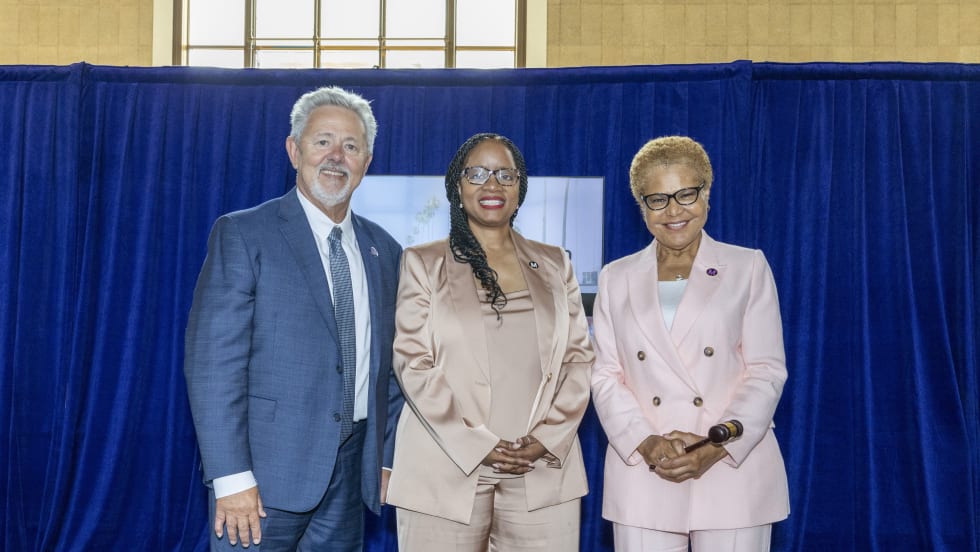
LA Metro Marks Banner Year, Sets Ambitious Goals for New Fiscal Year
Incoming LA Metro Board Chair and Los Angeles Mayor Karen Bass joined outgoing Board Chair Fernando Dutra and LA Metro CEO Stephanie Wiggins to review accomplishments from fiscal year 2026, which included the opening of new rail extensions, advancement of major transit projects, expanded safety programs, and new rider amenities.
Read More →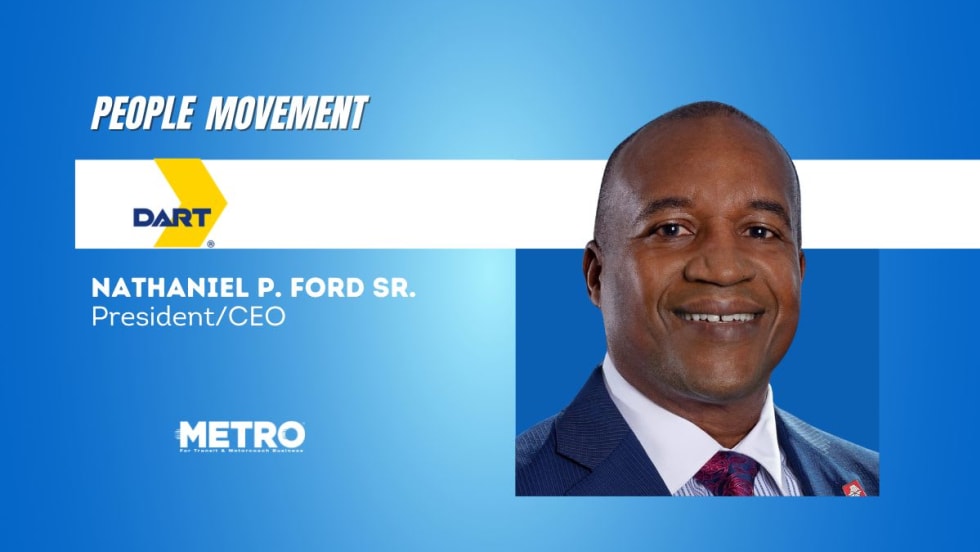
DART Taps Nathaniel P. Ford Sr. as Next President/CEO
Since 2012, Ford has served as the CEO of the Jacksonville Transportation Authority
Read More →
AC Transit’s Cecil Blandon on Building the Next Generation of Transit Maintenance Leaders
The agency’s maintenance chief discusses leadership, workforce development, zero-emission technology, and preparing technicians for the future of public transportation.
Read More →
California High-Speed Rail Authority Signs MOU to Advance High Desert Corridor
The agreement deepens collaboration between the California High-Speed Rail Authority and the High Desert Corridor Joint Powers Agency, supporting design integration, cost savings, and faster delivery of a key Southern California rail link.
Read More →
Building the Next Generation of Transit Technology
In this edition of METROspectives, Luminator CEO Magnus Friberg discusses the company's transformation, the growing role of AI and software, and what's next for transit technology.
Read More →
How Data, Strategy, and Community Engagement Are Reshaping Transit
In this edition of METROspectives, strada360 CEO Steve Lassey discusses how transit agencies can better align planning with operations, leverage data to improve decision-making, and build public trust as they prepare for the future of mobility.
Read More →