




Learn More: MTI Research Examines Curb Planning, Management
MTI Research Shows How U.S. Transit, Vendors Can Focus on Cybersecurity
The authors’ findings focus on cyber literacy and procurement practices, the lifecycle of technology vis-à-vis transit hardware, and more.
July 25, 2022

Measures taken to protect transit security require executive focus and investment across the transit ecosystem.
Photo: Muha Ajjan/Unsplash
2 min to read
New Mineta Transportation Institute (MTI) research, "Aligning the Transit Industry and Their Vendors in the Face of Increasing Cyber Risk: Recommendations for Identifying and Addressing Cybersecurity Challenges," demonstrates that the U.S. transit industry and its vendor community have the opportunity to broaden their relationships and focus on cybersecurity. Both parties need to create a secure environment that can benefit from and augment the other.
The authors’ findings focus on three key areas: cyber literacy and procurement practices, the lifecycle of technology vis-à-vis transit hardware, and the importance of embracing risk as a road to resiliency.
Key findings include:
Transit agencies need to use the procurement process as an opportunity to articulate their cyber needs because the presence of such requirements in requests for proposals (RFPs) is a key driver of investment for vendors.
Transit agencies must also understand their own risks and have the ability to communicate these risks in technical terms.
The hardware and software lifecycles in public transit are out of sync, creating a situation in which vehicles and other hardware designed to last for 15 years or more are being supported by or carrying software that stopped receiving security updates, which creates serious vulnerabilities.
“There are several steps that transit agencies and their stakeholders can take to strengthen their collective cybersecurity posture,” explained the study’s authors. “For example, vendors for critical systems should make available a security lead to assist the agency in the management of the agency’s risk. Meanwhile, transit agencies should integrate their cyber risk management program with their existing physical security risk management organization and infrastructure, creating a holistic Enterprise Risk Management program. They should also elevate security within the organization by appointing a Chief Security Officer (CSO).”
More Security and Safety

Transit Agencies Highlight Safety Gains at National Summit
Leaders from 15 major transit systems shared crime-reduction results and safety initiatives while discussing the role of continued federal support.
Read More →
DART Launches Major Security, Fare Enforcement Initiative
The 90-day demonstration will deploy coordinated security teams at five light rail stations while testing controlled access and gathering data to guide future investments.
Read More →
RTD Launches NextRide App to Consolidate Trip Planning, Fares, Security Reporting
The app expands on RTD’s existing NextRide web application and allows customers to view real-time vehicle locations and service alerts, purchase and store digital fares, and access customer support.
Read More →

TAPTCO Updates OSHA Compliance Training for Transit Maintenance Operations
The revamped program addresses 26 OSHA standards for maintenance facilities, with TAPTCO pointing to training, documentation, and everyday shop hazards as continuing challenges for transit operations.
Read More →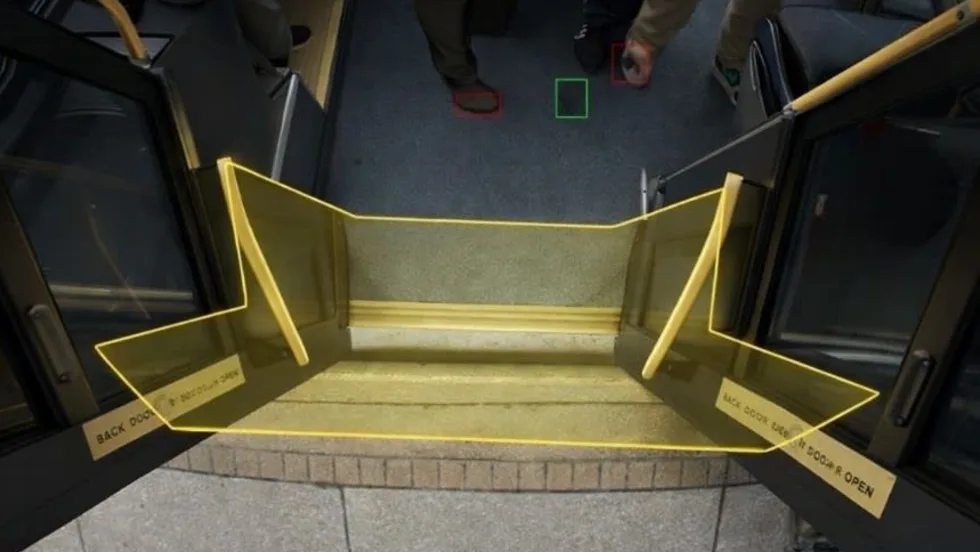
Sponsored•August 18, 2026
How VaporVision Adds Value to Transit Door Systems
Wabtec engineers explain how the system improves doorway detection, strengthens diagnostics and gives transit agencies and OEMs greater operating flexibility.
Read More →
FRA Announces $5.3B in Rail Investments, Including $2B for Amtrak
Funding will support grade-crossing improvements, infrastructure upgrades, and new Amtrak equipment in 23 states.
Read More →
Chicago, Maryland Expand Non-Law-Enforcement Safety, Rider Support
The CTA and MTA are launching new programs aimed at de-escalation, crisis response, rider assistance, and greater transparency.
Read More →
LA Metro, City of West Hollywood, and Partners Advance Smarter Bus Lane Enforcement
The award-winning partnership combines AI-powered detection with human oversight to improve bus reliability, accessibility, and enforcement efficiency.
Read More →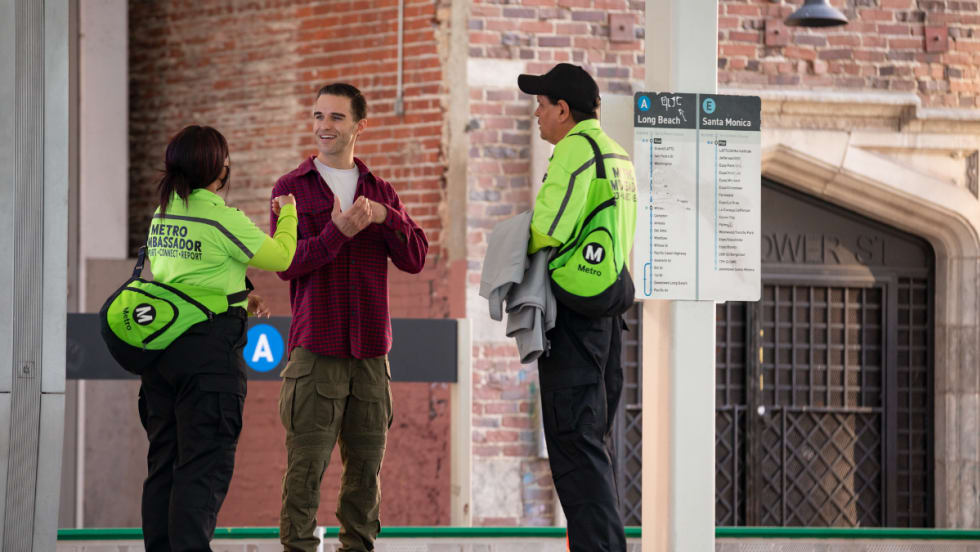
LA Metro Reports 57% Decline in Homelessness on Transit System Since 2024
The agency's latest homelessness count offers new data on how care-based services and cross-sector partnerships can complement traditional transit security strategies.
Read More →
FTA Launches 'Transit Moves America' Dashboard to Highlight Agency Safety and Performance
The online dashboard transforms National Transit Database information into a public-facing resource that allows users to compare transit agencies on key operational and safety metrics.
Read More →