



N.J. Transit creates incident response task force
Recent incidents including a derailment and power outages prompted the creation of the 22-member task force.

In response to recent incidents causing extensive delays and inconvenience to thousands of customers, including power outages and a derailment, New Jersey Transit (NJT) created a task force to respond to major incidents. The 22-member task force, which includes representatives from the United Transportation Union and the Brotherhood of Locomotive Engineers, issued recommendations to improve the NJT's response. Those include:
Stopping the first available train at the incident to rescue passengers.
Equipping trains and stations with bullhorns.
Establishing new crew size standards for eight, 10 and 12-car trains.
Providing more immediate communication by equipping all train crews with radios to keep passengers better informed.
Training all 100 rail operations managers on incident command and control within 90 days. "It was clear that NJ Transit's response to the July 14th derailment was inadequate," said NJ Transit's Jack Lettiere. "NJ Transit customers deserve better and these recommendations do just that by greatly strengthening the corporation's abilities to respond to incidents and the needs of the customers." The task force also included long-term recommendations such as reviewing wireless communication systems for onboard announcements and improving or replacing the public address systems at major terminals and outlying stations.
More Management

LA Metro Breaks Ground on Vermont BRT Project
The 12.4-mile corridor is projected to serve 66,200 daily riders, reduce travel times by up to 24%, and create the nation's busiest bus rapid transit corridor.
Read More →
Building Stronger Leaders, More Resilient Transit Teams
Dr. Carol Parker Walsh discusses leadership development, employee retention, workplace culture, and preparing transit’s workforce for AI and automation.
Read More →
Roman Cornell on ABC Companies’ Evolution and the Future of Passenger Transportation
The company’s CEO discusses carrying forward a third-generation family legacy, ABC’s continued evolution in passenger transportation, support for increasingly complex fleets, and how technology and continued investment could help operators improve uptime.
Read More →
CATS Launches West Charlotte Microtransit Zone, Expands Transit Services
The new microtransit zone connects residents to key destinations as Charlotte Area Transit System rolls out the first phase of its 2055 Transit System Plan.
Read More →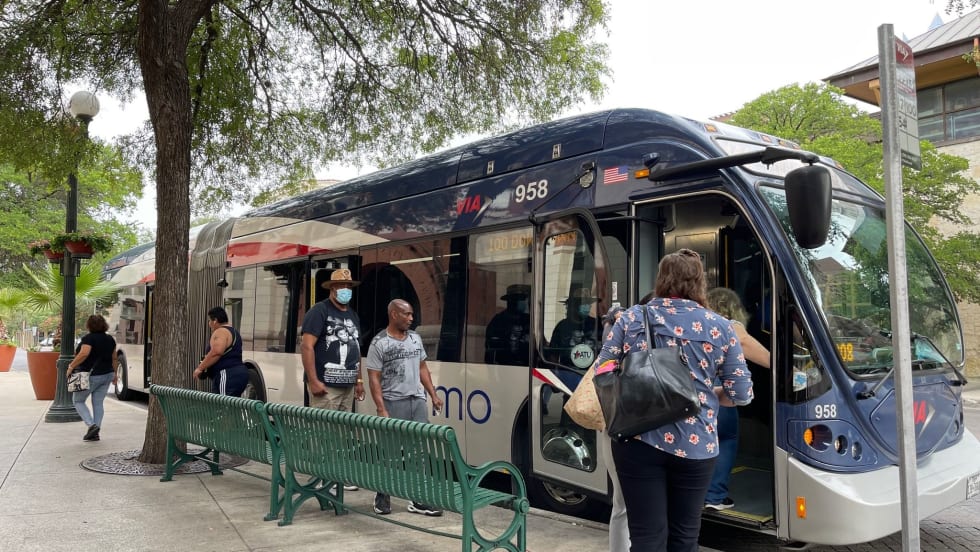
VIA Bus Ridership Grows 10.1% Through August 2026
San Antonio's VIA Metropolitan Transit reported the highest bus ridership growth among major Texas transit systems. Federal Transit Administration data ranked it second among the nation's 50 largest transit systems.
Read More →
CSA Group Releases Climate Resilience Standard for Transit, Passenger Rail
Developed with support from the Standards Council of Canada, CSA D700 guides assessing climate-related risks and planning adaptation measures for transit and passenger rail systems.
Read More →
ETA CEO John Maglio on Transit Technology, Innovation, and Building Agency Trust
ETA founder and CEO John Maglio explores the evolution of transit technology, the importance of reliable systems, and how stronger partnerships can help agencies improve operations and the passenger experience.
Read More →
COTA Launches First Customer Experience Action Plan to Improve Transit Service
The new plan outlines improvements to service reliability, accessibility, communication, and the overall rider experience across Central Ohio's transit system.
Read More →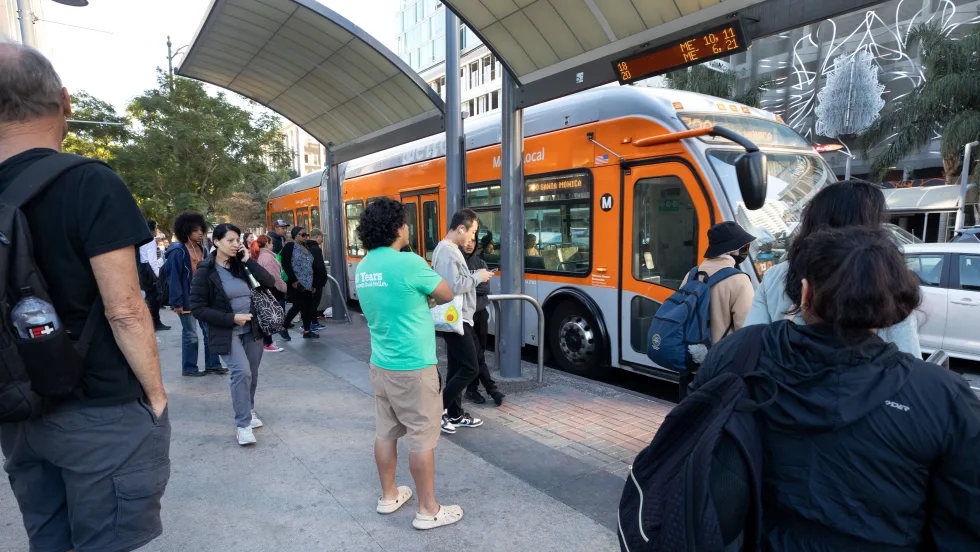
LA Metro September Ridership Climbs 3.9%, Led by Rail Growth
The agency recorded more than 27.2 million boardings, with rail ridership increasing 12.4% year over year and the D Line posting the largest gains.
Read More →
Utilimarc Launches SmartReplace to Optimize Fleet Replacement Decisions
AI-powered SmartReplace helps fleets prioritize vehicle replacements, model budget scenarios, and build more defensible long-term strategies.
Read More →