



N.Y. transit hub explosion called 'terrorist attack'
Three civilians suffered minor injuries during the incident, which took place at 7:30 a.m.

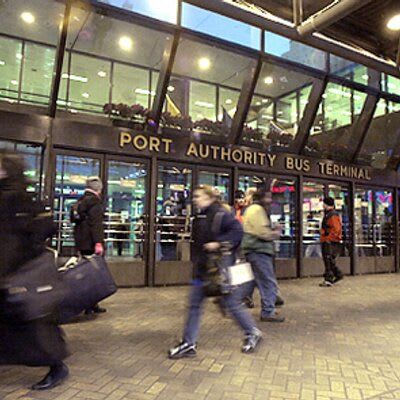
Photo: Port Authority of New York and New Jersey
Photo: Port Authority of New York and New Jersey
NEW YORK — A Monday morning explosion at the Port Authority Bus Terminal in Manhattan is being called "an attempted terrorist attack," ABC 7 News reported.
According to a preliminary investigation, a 27-year-old suspect, identified as Akayed Ullah, detonated a pipe bomb, which was affixed to his body with Velcro straps, the report said.
Three civilians suffered minor injuries during the incident, which took place at 7:30 a.m., happened in an MTA passageway at the terminal at 42nd Street and 8th Avenue, ABC 7 News reported.
For the full story, click here.
ABA Statement on Port Authority Bus Terminal Explosion
The American Bus Association’s (ABA) thoughts are with those affected by the Port Authority Bus Terminal incident and our many members that operate at and near the facility. ABA members are on the front lines, in terms of this threat environment, and work hard every day with the security enforcement community to create a safe environment for our passengers more than 225,000 passengers per day and tens of millions per year at the Port Authority Bus Terminal despite limited support from federal resources.
Today’s incident, along with the vehicle-ramming attack last month in New York City, demonstrates how important it is for Congress to recognize the vulnerabilities associated with the motor carrier industry and the key role it plays in this nation’s transportation network. The private motorcoach industry, whose members provide schedule service, commuter and charters and tours to more than 600 million passengers annually, calls on Congress to do its part to protect Americans that use motorcoaches daily, by supporting funding for the Intercity Bus Security Grant Program. The intercity bus industry must stay vigilant and be prepared in this real and ever-changing threat environment, and IBSGP funding is critical to meeting this need.
More Security and Safety

Transit Agencies Highlight Safety Gains at National Summit
Leaders from 15 major transit systems shared crime-reduction results and safety initiatives while discussing the role of continued federal support.
Read More →
DART Launches Major Security, Fare Enforcement Initiative
The 90-day demonstration will deploy coordinated security teams at five light rail stations while testing controlled access and gathering data to guide future investments.
Read More →
RTD Launches NextRide App to Consolidate Trip Planning, Fares, Security Reporting
The app expands on RTD’s existing NextRide web application and allows customers to view real-time vehicle locations and service alerts, purchase and store digital fares, and access customer support.
Read More →

TAPTCO Updates OSHA Compliance Training for Transit Maintenance Operations
The revamped program addresses 26 OSHA standards for maintenance facilities, with TAPTCO pointing to training, documentation, and everyday shop hazards as continuing challenges for transit operations.
Read More →
How VaporVision Adds Value to Transit Door Systems
Wabtec engineers explain how the system improves doorway detection, strengthens diagnostics and gives transit agencies and OEMs greater operating flexibility.
Read More →
FRA Announces $5.3B in Rail Investments, Including $2B for Amtrak
Funding will support grade-crossing improvements, infrastructure upgrades, and new Amtrak equipment in 23 states.
Read More →
Chicago, Maryland Expand Non-Law-Enforcement Safety, Rider Support
The CTA and MTA are launching new programs aimed at de-escalation, crisis response, rider assistance, and greater transparency.
Read More →
LA Metro, City of West Hollywood, and Partners Advance Smarter Bus Lane Enforcement
The award-winning partnership combines AI-powered detection with human oversight to improve bus reliability, accessibility, and enforcement efficiency.
Read More →
LA Metro Reports 57% Decline in Homelessness on Transit System Since 2024
The agency's latest homelessness count offers new data on how care-based services and cross-sector partnerships can complement traditional transit security strategies.
Read More →
FTA Launches 'Transit Moves America' Dashboard to Highlight Agency Safety and Performance
The online dashboard transforms National Transit Database information into a public-facing resource that allows users to compare transit agencies on key operational and safety metrics.
Read More →