



New FHWA study improves on regional transportation operations
Study findings include the importance of visionary, influential leadership and the need for a source of funding to support coordinated regional efforts.

The Federal Highway Administration (FHWA) released a new study, "Organizing for Regional Transportation Operations," that shows how state and local agencies can work together to improve the operation of road networks in their regions. Findings from the report's six case studies demonstrate how a region can benefit when various government agencies organize to work together. The report focuses on six locations that have undertaken innovative approaches to regional transportation operations, including: TRANSCOM in New York, New Jersey and Connecticut; Translink in Vancouver, British Columbia; the Metropolitan Transportation Commission (MTC) in the San Francisco Bay Area; the ITS Priority Corridor in Southern California; TranStar in Houston; and AZTech in Phoenix. The case studies focus primarily on large metropolitan areas with many findings broadly applicable to regions of all sizes. Despite differences among the locations, certain common critical elements emerged, including the importance of visionary, influential leadership and the need for a source of funding to suppport coordinated regional efforts. The report, a product of FHWA's National Dialogue on Transportation Operations, was developed with assistance from the Federal Transit Administration and the Institute of Transportation Engineers, and can be ordered via e-mail at vince.pearce@fhwa.dot.gov.
More Management
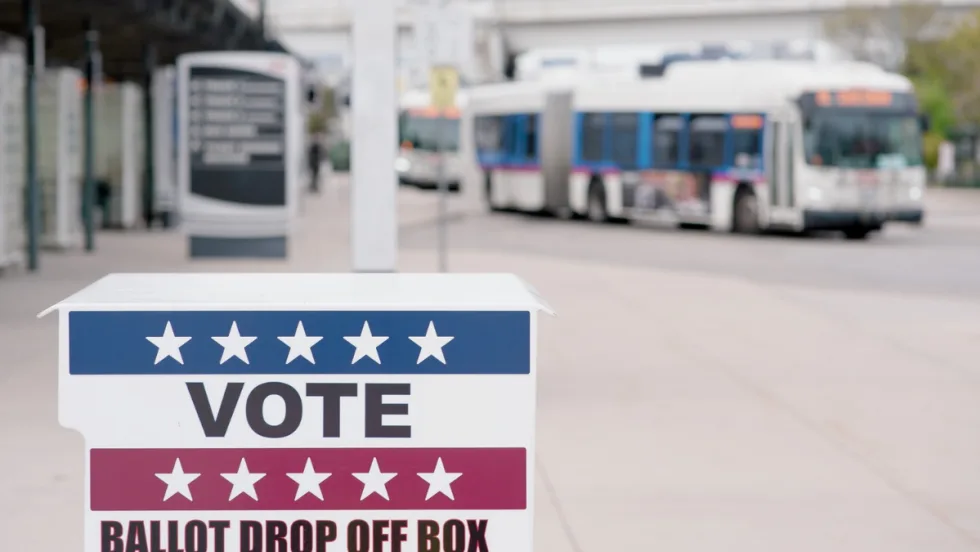
How Transit Agencies Are Using Free Rides to Improve Voting Access
Transit agencies are using fare-free service, trip-planning tools, and targeted rides to improve voting access. See what other agencies can learn from these efforts.
Read More →
Caltrain’s Electrification Drives a New Era of Ridership Growth
The railroad’s shift to electric service has brought more frequent trains, stronger customer satisfaction, and increased ridership, earning it APTA’s Outstanding Public Transportation System award.
Read More →
Chicago, Charlotte Transit Agencies Expand Rider Support Programs
CTA launched crisis intervention teams as CATS prepares to deploy fare ambassadors, expanding customer assistance and security efforts across both systems.
Read More →
New York MTA Launches Historic $1.9B Signal, Track Modernization Project
Funded in part by congestion pricing revenue, the project will replace nearly century-old signals along the A and C lines in Brooklyn and Queens.
Read More →
Brian Dickson on Building Stronger, More Resilient Transportation Organizations
Bus Business Consultants Founder Brian Dickson discusses the leadership principles, operational discipline, and strategic planning that separate transportation companies positioned for long-term success from those stuck in survival mode.
Read More →
LA Metro Breaks Ground on Vermont BRT Project
The 12.4-mile corridor is projected to serve 66,200 daily riders, reduce travel times by up to 24%, and create the nation's busiest bus rapid transit corridor.
Read More →
Building Stronger Leaders, More Resilient Transit Teams
Dr. Carol Parker Walsh discusses leadership development, employee retention, workplace culture, and preparing transit’s workforce for AI and automation.
Read More →
Roman Cornell on ABC Companies’ Evolution and the Future of Passenger Transportation
The company’s CEO discusses carrying forward a third-generation family legacy, ABC’s continued evolution in passenger transportation, support for increasingly complex fleets, and how technology and continued investment could help operators improve uptime.
Read More →
CATS Launches West Charlotte Microtransit Zone, Expands Transit Services
The new microtransit zone connects residents to key destinations as Charlotte Area Transit System rolls out the first phase of its 2055 Transit System Plan.
Read More →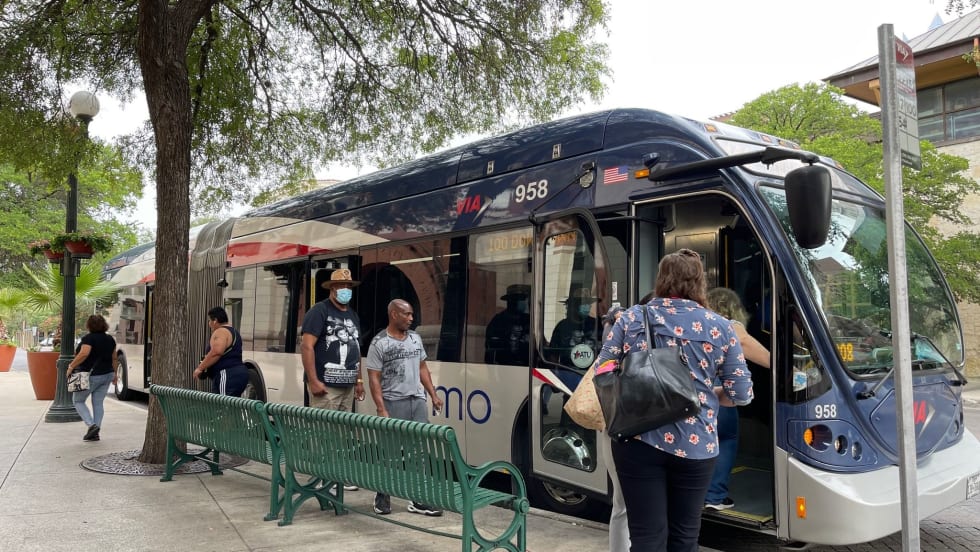
VIA Bus Ridership Grows 10.1% Through August 2026
San Antonio's VIA Metropolitan Transit reported the highest bus ridership growth among major Texas transit systems. Federal Transit Administration data ranked it second among the nation's 50 largest transit systems.
Read More →