




RELATED: Infrastructure Must Be Made Resilient to the Effects of Climate Change
New York MTA Police charge man with hate crimes for graffiti incidents
The suspect was identified as Pasquale Vargas, 65, of Brooklyn. Police believe Vargas is responsible for multiple instances of bias graffiti at Penn Station since February 18.
March 8, 2017
2 min to read
New York Gov. Andrew Cuomo announced that a man suspected of multiple incidents of bias graffiti at Pennsylvania Station was arrested and charged for committing a series of hate crimes, reinforcing that New York has zero tolerance for bigotry or discrimination in any form. The arrest and charges highlight the aggressive actions the state is undertaking to combat the growth of hate crimes and anti-Semitism.
“This arrest sends a clear message that all hate crimes will be thoroughly investigated, and we will prosecute those found responsible for perpetrating these reprehensible actions,” Gov. Cuomo said. “We have zero tolerance for these acts of bigotry, which stand in direct contrast to the values that we New Yorkers represent. I applaud the MTA Police Department for their vigilance and actions in this investigation."
Earlier this week, MTA Police Department detectives, who had been conducting a surveillance operation related to a pattern of hate-crime graffiti and vandalization of men’s bathrooms at Pennsylvania Station, arrested a man for suspicion of vandalizing a bathroom stall. The suspect was identified as Pasquale Vargas, 65, of Brooklyn. Police believe Vargas is responsible for multiple instances of bias graffiti at Penn Station since February 18.
Vargas has been charged under New York State law with eight counts of Criminal Mischief in the Fourth Degree. Due to the nature and circumstances of the alleged offenses, they are being prosecuted as Hate Crimes (Class E Felony).
During an interview with police following his arrest, Vargas admitted to writing the graffiti. Police suspect Vargas is also responsible for graffiti in Penn Station on multiple other occasions since February, including swastikas and other statements, which were written in black marker in two different locations.
MTA Chief of Police Owen Monaghan said, “The MTA Police and our law enforcement partners across the state — including the State Police — vigorously investigate all hate crimes in order to bring those responsible to justice. No one should think they can get away with trying to intimidate the public in this way.”
As part of a surveillance plan started last month, detectives stationed in a men’s bathroom in Penn Station noticed graffiti in a bathroom stall that Vargas left. No graffiti was in the stall beforehand. Detectives stopped Vargas under suspicion of vandalization and searched his backpack, which contained a black Sharpie marker — the same type used to deface the stall.
More Security and Safety

Transit Agencies Highlight Safety Gains at National Summit
Leaders from 15 major transit systems shared crime-reduction results and safety initiatives while discussing the role of continued federal support.
Read More →
DART Launches Major Security, Fare Enforcement Initiative
The 90-day demonstration will deploy coordinated security teams at five light rail stations while testing controlled access and gathering data to guide future investments.
Read More →
RTD Launches NextRide App to Consolidate Trip Planning, Fares, Security Reporting
The app expands on RTD’s existing NextRide web application and allows customers to view real-time vehicle locations and service alerts, purchase and store digital fares, and access customer support.
Read More →

TAPTCO Updates OSHA Compliance Training for Transit Maintenance Operations
The revamped program addresses 26 OSHA standards for maintenance facilities, with TAPTCO pointing to training, documentation, and everyday shop hazards as continuing challenges for transit operations.
Read More →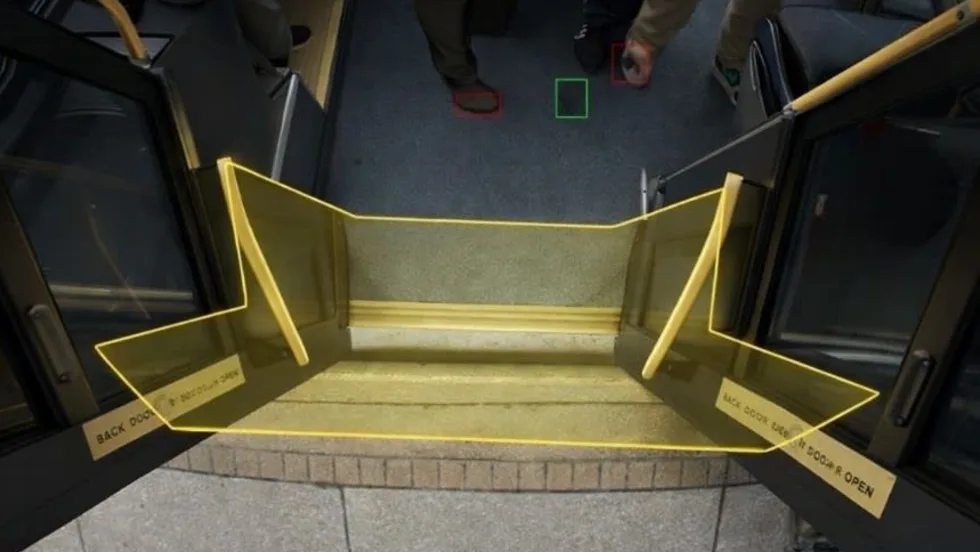
Sponsored•August 18, 2026
How VaporVision Adds Value to Transit Door Systems
Wabtec engineers explain how the system improves doorway detection, strengthens diagnostics and gives transit agencies and OEMs greater operating flexibility.
Read More →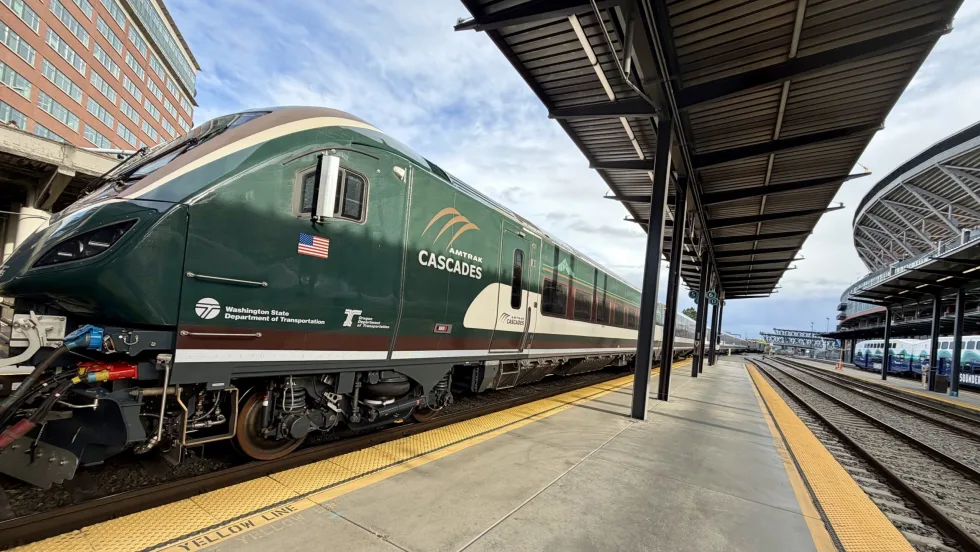
FRA Announces $5.3B in Rail Investments, Including $2B for Amtrak
Funding will support grade-crossing improvements, infrastructure upgrades, and new Amtrak equipment in 23 states.
Read More →
Chicago, Maryland Expand Non-Law-Enforcement Safety, Rider Support
The CTA and MTA are launching new programs aimed at de-escalation, crisis response, rider assistance, and greater transparency.
Read More →
LA Metro, City of West Hollywood, and Partners Advance Smarter Bus Lane Enforcement
The award-winning partnership combines AI-powered detection with human oversight to improve bus reliability, accessibility, and enforcement efficiency.
Read More →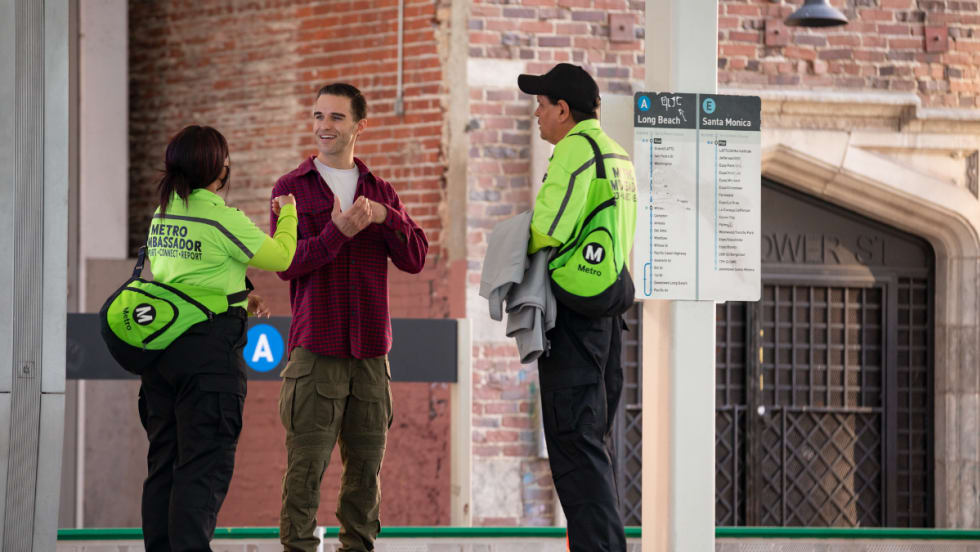
LA Metro Reports 57% Decline in Homelessness on Transit System Since 2024
The agency's latest homelessness count offers new data on how care-based services and cross-sector partnerships can complement traditional transit security strategies.
Read More →
FTA Launches 'Transit Moves America' Dashboard to Highlight Agency Safety and Performance
The online dashboard transforms National Transit Database information into a public-facing resource that allows users to compare transit agencies on key operational and safety metrics.
Read More →