



NJ TRANSIT Advances Bus Technology Upgrades Across Statewide Fleet
More than 1,500 buses now feature upgraded technology designed to improve arrival predictions and provide free Wi-Fi, with deployment expected to reach nearly 2,000 buses by the end of 2026.


In total, more than 1,500 buses currently have the new technology. NJ TRANSIT retrofitted more than 1,300 buses with the hardware and free Wi-Fi, while new buses entering the fleet already have the upgraded components.
NJ TRANSIT
- NJ TRANSIT has upgraded over 1,500 buses with enhanced technology to improve arrival time predictions and offer free Wi-Fi.
- The technology upgrades aim to enhance passenger experience by providing more accurate and reliable service information.
- Deployment of these technology upgrades is projected to expand to nearly 2,000 buses by the end of 2026.
*Summarized by AI
NJ TRANSIT President/CEO Kris Kolluri showcased a statewide initiative to upgrade buses with new computer equipment and antennas to provide more accurate real-time location data. NJ TRANSIT is utilizing this improved data to provide more accurate bus arrival predictions, and the new hardware offers bus customers free Wi-Fi.
The equipment and free Wi-Fi are currently available on more than 1,500 buses statewide and are scheduled to expand to nearly 2,000 buses by the end of 2026.
"Customers want to know where their bus is and when it will arrive, and arrival predictions in our app have improved from 74 percent to 86 percent accuracy,” said Kolluri. “With the introduction of free Wi-Fi on more than 1,500 buses today, and nearly 2,000 by the end of the year, we’re also delivering a ride that becomes more productive for our bus customers."
In total, more than 1,500 buses currently have the new technology. NJ TRANSIT retrofitted more than 1,300 buses with the hardware and free Wi-Fi, while new buses entering the fleet already have the upgraded components.
Additional retrofits and more new buses joining the fleet will expand that number to more than 1,900 by the end of 2026, representing more than 80% of the 2,373 buses in the fleet. The remaining buses are marked for retirement and, as they are replaced, the new buses will be manufactured with the technology already installed.
Benefits for Passengers
Officials said free Wi-Fi on board NJ TRANSIT buses aims to address inequity in broadband access by offering this critical feature in a setting that may be the only convenient and/or practical place for many bus customers to access the internet. The project is funded by a $15 million federal grant from the U.S. Department of the Treasury under the Capital Projects Fund.
The NJ TRANSIT bus Wi-Fi network is designed to provide bandwidth for all customers on each bus and support general web browsing. Buses with free Wi-Fi have a sticker near the entrance.
In addition, the agency is advancing its real-time bus arrival information through an ongoing effort with Swiftly.
Beginning in October, customers will see enhanced predictions on the NJ TRANSIT website, the mobile app, station signage, and a wide range of third-party applications.
The agency said it will continue strengthening these improvements through upgraded GPS hardware and antennas that provide more precise location data. The goal is to give customers clearer and more dependable information about where their bus is and when it will arrive.
Finally, NJ TRANSIT continues testing new high-tech bus stop signs with digital screens that show customers real-time arrival information for the next bus. The pilot program showcases technology from two companies at eight bus stops.
The agency has installed five signs from infrastructure provider BusPas at locations in Hudson County. The signs feature real-time customer information such as arrivals, detours, delays, service alerts and bus occupancy levels.
As part of the pilot, the signs are solar-powered and employ e-paper displays, like those of popular reading tablets, making them ADA-compliant. They also include text-to-speech announcement capability and automated safety lighting for improved nighttime visibility.
A similar pilot is underway in Manalapan Township and Howell Township in Monmouth County through a partnership with Urban Solar, a manufacturer of solar energy systems for bus stops and shelters.
The agency said these efforts support NJ TRANSIT’s Bus Fleet Modernization initiative, which is improving customer experience through modern technology, enhanced connectivity, more reliable real‑time service information, and a fully modernized bus fleet by 2031.
Quick Answers
NJ TRANSIT buses have been upgraded with technology to improve arrival predictions and provide free Wi-Fi.
*Summarized by AI
More Technology

Frontrunner Bus Group Introduces XF Low-Floor Bus with Enhanced Accessibility
The new mid-sized bus features a full flat-floor design, eight-inch curbside step-in height, and zero-entry rear ramp to improve passenger access and operational flexibility.
Read More →
Building a Flexible Path to Transit Electrification with BAE's John Hroncich
John Hroncich discusses BAE Systems’ modular and scalable approach, lessons learned from decades of real-world operations, and how agencies can identify electrification strategies that fit their fleets.
Read More →
Scenes from APTA TRANSform & EXPO 2026
Transit leaders, manufacturers, and industry professionals gathered in Chicago to explore new technologies, share ideas, and discuss the future of public transportation.
Read More →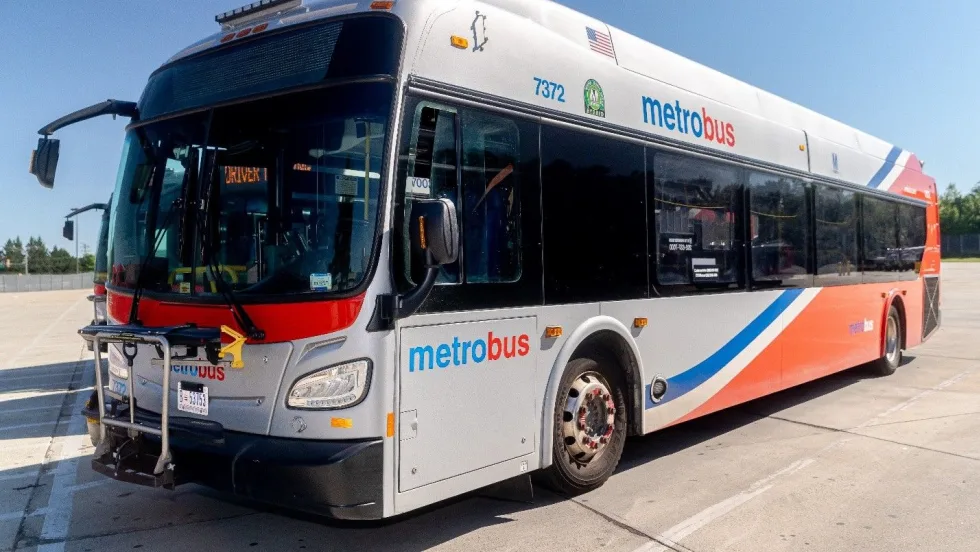
Biz Briefs: New Flyer Secures Additional 100-Bus Order from WMATA and More
In METRO's latest installment, we also take a look at recent news from Masabi, MCI, Samsara, and more partnerships making headlines across the transportation sector.
Read More →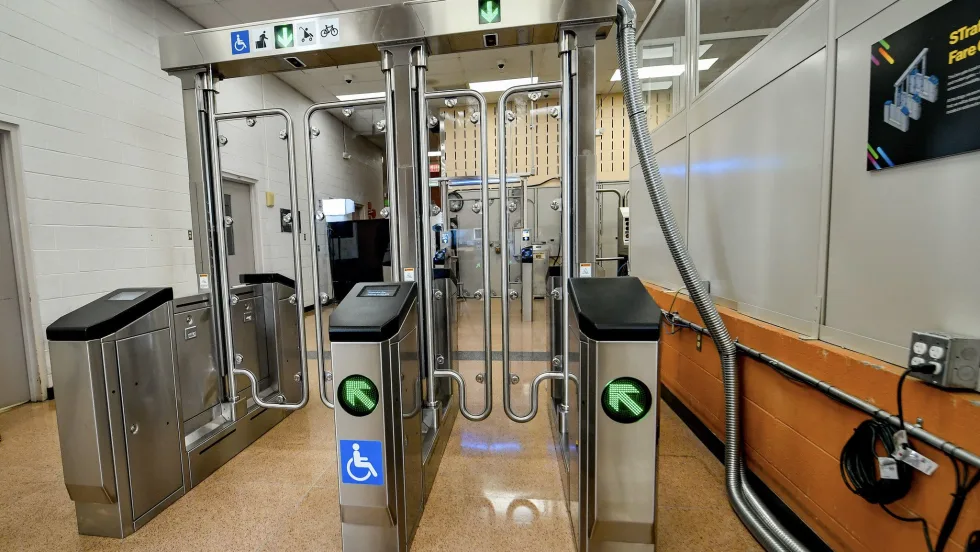
MTA Fare Gate Pilot Reduces Fare Evasion by 35%
Following a 20-station pilot, the agency plans to install new fare gates at 20 additional subway stations as part of a $1.1 billion modernization initiative.
Read More →
California Law Extends AC Transit’s Bus Lane Camera Enforcement
The new law allows AC Transit to continue using forward-facing bus cameras to enforce parking violations in bus-only lanes and at bus stops.
Read More →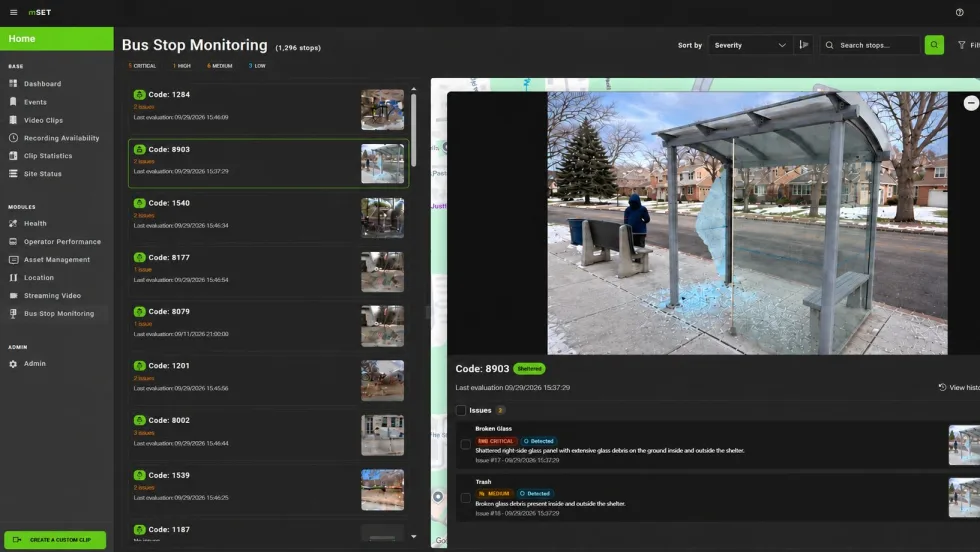
Biz Briefs: Luminator Launches AI Technology to Monitor Bus Stop Conditions and More
In METRO's latest installment, we also take a look at recent news from Masabi, Troman Industries, ioki, CCW, and more partnerships making headlines across the transportation sector.
Read More →
Public Transit Conference Returning to GFX in 2027, Call for Papers Now Open
The Call for Papers is now open, allowing transit agency professionals and industry experts to help shape the PTC educational program by submitting session ideas for consideration.
Read More →
ENC Lands MATA Contract and More in Biz Briefs
In this edition of Biz Briefs, we spotlight the latest developments shaping the future of mobility.
Read More →
Strada360’s Steve Lassey on Turning Transit Data Into Better Decisions
From breaking down data silos to preparing for AI, Strada360 CEO Steve Lassey discusses how transit agencies can use technology to improve operations, customer information, and long-term decision-making.
Read More →