



NJ TRANSIT, MTA, Port Authority, Amtrak, and SEPTA Launch Regional ‘Mask Force’
The partnership builds upon regional transit operators’ comprehensive efforts to keep customers and employees healthy and safe throughout the pandemic.
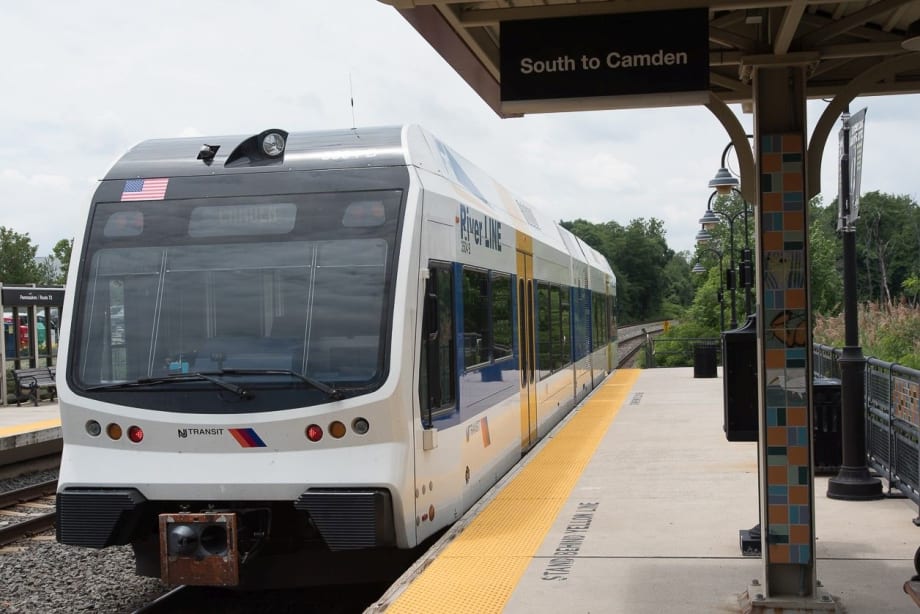
NJ TRANSIT continues its “SAFE NJ” customer awareness campaign, which focuses on high visibility signage throughout the system.
NJ TRANSIT
NJ TRANSIT announced a partnership with New York’s Metropolitan Transportation Authority (MTA), the Port Authority of New York and New Jersey (PANYNJ), Amtrak, and the Southeastern Pennsylvania Transportation Authority (SEPTA) to create a regional “Mask Force” to encourage universal mask compliance on public transit.
Through this partnership, the transit systems will provide millions of free masks to customers across the northeast as face coverings have proved one of the most effective tools in combating the spread of the virus.
The partnership builds upon regional transit operators’ comprehensive efforts to keep customers and employees healthy and safe throughout the pandemic — from aggressive cleaning and disinfection programs to mask mandates and enforcement efforts — particularly as the number of coronavirus cases has risen across the country in recent weeks.
“NJ TRANSIT has already distributed nearly 20,000 masks to customers on our system — free of charge — and the Mask Force initiative is yet another example of the extraordinary collaboration taking place among transit agencies at this time,” said NJ TRANSIT President/CEO Kevin Corbett. “We remain committed to working hard every day to provide the safest possible travel environment for our customers and employees.”
NJ TRANSIT continues its “SAFE NJ” customer awareness campaign, which focuses on high visibility signage throughout the NJ TRANSIT system, including across all social media channels, to maintain awareness of recommended best practices that ensure the healthiest and safest transit system for all. A primary focus of the “SAFE NJ” campaign reinforces the requirement to wear face coverings and the importance of wearing them properly.
In addition, NJ TRANSIT deployed teams of Customer Service Ambassadors over the summer at several stations and terminals to assist customers returning to the mass transit system. Ambassadors remind customers to maintain safe practices, specifically regarding the requirement to wear face coverings onboard vehicles, in stations and on platforms, and to refrain from eating or drinking on vehicles. Ambassadors also provide free masks to those who need them, and free masks are also available at Customer Service offices at major terminals. NJ TRANSIT’s Mask Force program formalizes and brands mask distribution efforts, with a plan to introduce Mask Force volunteers for the first time at major stations and select outlying stations on Wednesday, Nov. 25.
The MTA first launched its Mask Force in July to supplement its existing distribution of masks in the transit system and acknowledge customers who are already compliant. Wearing a face covering on public transportation in New York was required by law under Executive Order 202.18 issued by Gov. Andrew M. Cuomo effective April 17. A $50 fine was implemented on Sept. 14 for customers who refuse to wear a mask on public transportation.
More than 650 people have volunteered for the MTA Mask Force since its inception. The volunteers include top MTA officials and other employees, elected officials and their staffs, advocates, community board members, and members of the riding public. The program runs two days out of each month and is organized primarily around almost a dozen subway stations for maximum line coverage and the busiest bus hubs with broad coverage across New York City. Employees and volunteers wear bright yellow t-shirts (and masks) identifying them as part of the team. The Mask Force has distributed over 300,000 masks since July.
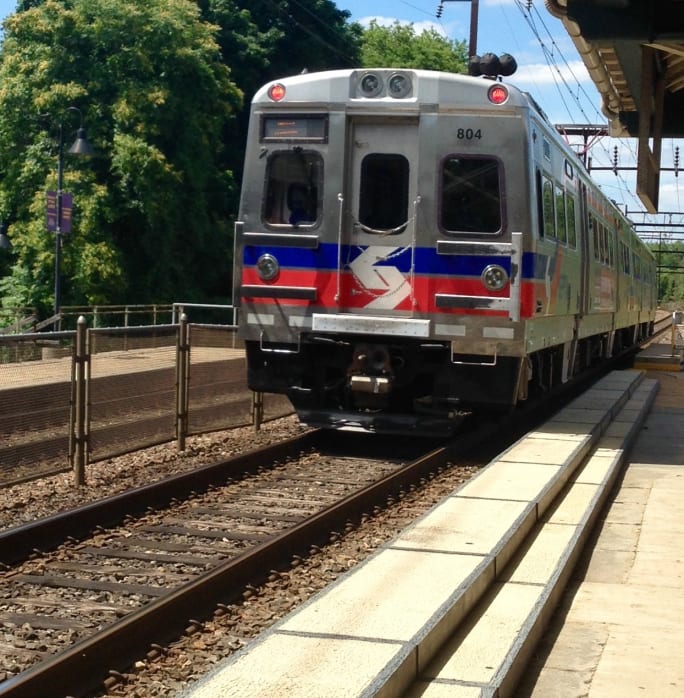
Beginning in July, SEPTA employees volunteered to serve as Social Distancing Coaches engaging customers on travel safety and distributing masks.
SEPTA
Starting Friday, Nov. 20, Port Authority employees will be distributing face coverings at the airports through the Thanksgiving holiday. Masks and PPE are also available for sale at concessions and vending machines throughout the agency’s facilities. The Port Authority reports voluntary compliance with mask wearing at over 98% across its facilities.
Amtrak will have ambassadors at their largest stations in the Northeast Corridor during Thanksgiving week to assist customers with their travel experience. They will have a small supply of masks available if anyone needs one to comply with mask or face covering requirements at stations or on Amtrak trains.
Beginning in July, SEPTA employees volunteered to serve as Social Distancing Coaches engaging customers on travel safety and distributing masks. As part of Mask Force, a small team of assigned staff and employee volunteers will do meet-and-greets at various stations where customers do not routinely need to interact with SEPTA employees in order to ride the system, and where mask compliance may be a greater issue. While there, the Mask Force Philly teams will hand out masks and literature about the importance of wearing masks and the proper way to wear them. The SEPTA team will have uniquely branded hats and shirts, and possibly outerwear as they begin to implement their program during the winter months.
The Centers for Disease Control and Prevention has declared that face coverings are one of the most effective tools in the fight against COVID-19, particularly when used universally within communities. Studies have shown that face coverings can significantly help reduce the risk of spread of the virus.
More Security and Safety

Transit Agencies Highlight Safety Gains at National Summit
Leaders from 15 major transit systems shared crime-reduction results and safety initiatives while discussing the role of continued federal support.
Read More →
DART Launches Major Security, Fare Enforcement Initiative
The 90-day demonstration will deploy coordinated security teams at five light rail stations while testing controlled access and gathering data to guide future investments.
Read More →
RTD Launches NextRide App to Consolidate Trip Planning, Fares, Security Reporting
The app expands on RTD’s existing NextRide web application and allows customers to view real-time vehicle locations and service alerts, purchase and store digital fares, and access customer support.
Read More →

TAPTCO Updates OSHA Compliance Training for Transit Maintenance Operations
The revamped program addresses 26 OSHA standards for maintenance facilities, with TAPTCO pointing to training, documentation, and everyday shop hazards as continuing challenges for transit operations.
Read More →
How VaporVision Adds Value to Transit Door Systems
Wabtec engineers explain how the system improves doorway detection, strengthens diagnostics and gives transit agencies and OEMs greater operating flexibility.
Read More →
FRA Announces $5.3B in Rail Investments, Including $2B for Amtrak
Funding will support grade-crossing improvements, infrastructure upgrades, and new Amtrak equipment in 23 states.
Read More →
Chicago, Maryland Expand Non-Law-Enforcement Safety, Rider Support
The CTA and MTA are launching new programs aimed at de-escalation, crisis response, rider assistance, and greater transparency.
Read More →
LA Metro, City of West Hollywood, and Partners Advance Smarter Bus Lane Enforcement
The award-winning partnership combines AI-powered detection with human oversight to improve bus reliability, accessibility, and enforcement efficiency.
Read More →
LA Metro Reports 57% Decline in Homelessness on Transit System Since 2024
The agency's latest homelessness count offers new data on how care-based services and cross-sector partnerships can complement traditional transit security strategies.
Read More →
FTA Launches 'Transit Moves America' Dashboard to Highlight Agency Safety and Performance
The online dashboard transforms National Transit Database information into a public-facing resource that allows users to compare transit agencies on key operational and safety metrics.
Read More →