



Related: New NJ TRANSIT Initiative Improves Rail Crossing Safety for Drivers Using Waze
Nokia Deploys Scene Analytics to Enhance Railroad Crossing Safety
The AI-based system applies computer vision and machine learning technologies for real-time monitoring and analysis, to ensure the safety of railroad crossings.
by Staff
January 12, 2022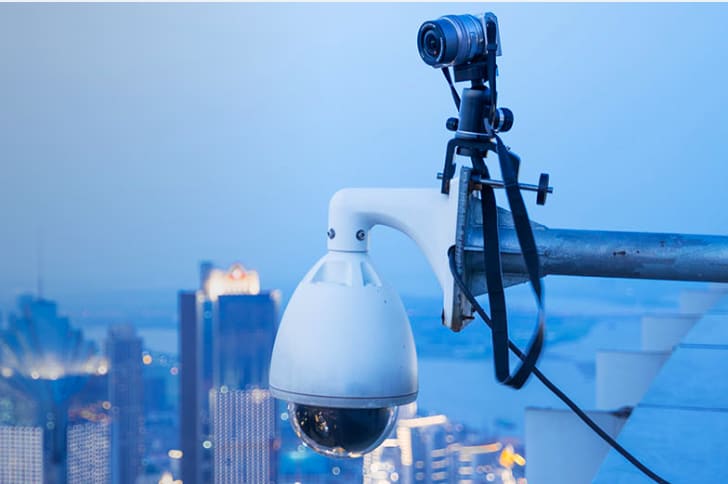
As the first deployment of this kind in Europe, Nokia’s collaboration with Schweizer Electronics and BLT demonstrated the reliability of AI-based railroad safety solutions for daily use.
Photo: Nokia
2 min to read
Nokia announced the deployment of its Scene Analytics solution for Baselland Transport AG (BLT) in Münchenstein, Switzerland, according to the company's press release.
The AI-based system applies computer vision and machine learning technologies for real-time monitoring and analysis, to ensure the safety of railroad crossings. As the first deployment of this kind in Europe, Nokia’s collaboration with Schweizer Electronics and BLT demonstrated the reliability of AI-based railroad safety solutions for daily use.
Statistics from the European Union identified around 250 fatalities and 300 serious injuries related to level crossings in the EU-28 countries in 2018[1].
Integrating Nokia Scene Analytics, BLT can use machine learning algorithms based on CCTV data to continually learn what is “normal” or anomalous.
In addition to reporting anomalies to railway security in real-time, the AI-based platform detects the object type, which provides a more complete picture of the situation at hand. Event based video clips, images, and associated data are stored, enabling post-incident forensic analysis.
“Level crossings are notoriously difficult areas to ensure the safety of passengers, pedestrians, train operators, and motorists," said Michael Theiler, Head of Maintenance Electrical Systems at BLT. "This deployment, in collaboration with Nokia represents an encouraging step towards using analytics as another layer of protection in dangerous areas. Nokia Scene Analytics acts as an intelligent set of ‘eyes’ and, by providing critical information in real-time, to prevent or mitigate the impact of an incident."
Besides improving safety and response time, the deployment of Scene Analytics on railroad crossings also increases operational efficiencies by minimizing downtime and delays. Its machine learning capability reduces the time investment required by rail personnel to manually update the system. In doing so, Nokia Scene Analytics provides train operators with much greater overall cost efficiency. It can also be integrated with many standard industry cameras, reducing the total cost of ownership, and increasing the return on investment.
“By combining level crossing systems and Scene Analytics within a simple interface, this project with Nokia and BLT enabled us to automate the interaction between level crossing systems and alarms for enhanced safety," said Roland Liem, Head of Product Unit Railroad Safety at Schweizer Electronics. "This will enable rail operators to close barriers and respond to dangerous situations at crossings in real-time.”
More Technology

From Hardware to Digital Partner: Luminator Charts Its Next Chapter
CEO Magnus Friberg discusses Luminator’s shift toward becoming a digital partner, the growing importance of software and interoperability, and how AI can help agencies improve operations and passenger experience.
Read More →
Beyond the Checklist: A Structured Approach to Transit Maintenance
Reliability-Centered Maintenance helps transit agencies move beyond routine checklists to focus limited resources on the assets and failures that have the greatest impact on safety, reliability, and service.
Read More →
NJ TRANSIT Advances Bus Technology Upgrades Across Statewide Fleet
More than 1,500 buses now feature upgraded technology designed to improve arrival predictions and provide free Wi-Fi, with deployment expected to reach nearly 2,000 buses by the end of 2026.
Read More →

Building a Flexible Path to Transit Electrification
John Hroncich discusses BAE Systems’ modular and scalable approach, lessons learned from decades of real-world operations, and how agencies can identify electrification strategies that fit their fleets.
Read More →
Biz Briefs: Alstom Lands Canadian Contract, LYT to Supply California TSP, and More
In METRO's latest installment, we take a look at recent news from Complete Coach Works, Beep, FlixBus, and more partnerships making headlines across the transportation sector.
Read More →
Sponsored•September 8, 2026
From Legacy Silos to Conversational Intelligence
What if transit leaders could ask any operational question and get a trusted answer in seconds? Conversational AI is transforming how agencies use their data.
Read More →
USDOT Announces Rail Vehicle Replacement Grants, Chattanooga AV Shuttle Funding
More than $191 million in federal funding will help three transit agencies replace aging rail vehicles and support a new autonomous shuttle service in Chattanooga.
Read More →
Bus Tech Talk: Keeping Transit Technicians Ahead of the Technology Curve
LA Metro’s Obed Mejia discusses technician training, evolving maintenance technology, fleet replacement, and strategies for getting the most out of today’s transit fleets.
Read More →
Biz Briefs: RIPTA Unveils New Frontrunners, Clevland RTA Adds New Siemens, and More
In METRO's latest installment, we take a look at recent news from Siemens, Prevost, Dodge, and more partnerships making headlines across the transportation sector.
Read More →
Why Simulating Pedestrian Movement Has Become Essential for Modern Rail Stations
Pedestrian microsimulation is helping rail planners identify bottlenecks, test station designs, and prepare complex transit hubs for growing passenger volumes.
Read More →