



NREL adds Lightning Hybrids' hydraulic units to Colo. campus
The buses, both Ford E-450s are run by MV Transportation, NREL’s service provider for their shuttle service. MV transports more than 500 NREL employees and visitors around the campus.

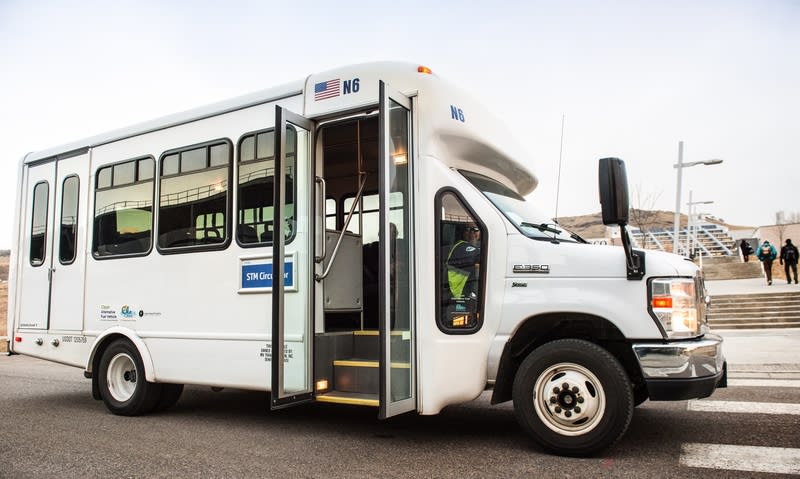

The National Renewable Energy Laboratory (NREL), the only U.S. federal laboratory dedicated to renewable energy and energy efficiency research, development and commercialization, installed its second fuel-efficient, hydraulic-hybrid system on a passenger shuttle bus for the lab’s 632-acre campus in Golden, Colo.
The hydraulic hybrid system, made by Colorado-based Lightning Hybrids, is now running on two of NREL’s campus shuttle buses in Golden. The hybrid system makes the buses cleaner, more fuel efficient and improves their braking efficiency. The first Lightning Hybrids bus has been in service on NREL’s campus for more than a year and the second bus went into service last month. The buses, both Ford E-450s are run by MV Transportation, NREL’s service provider for their shuttle service. MV transports more than 500 NREL employees and visitors around the campus.
“We are very proud of the fact that NREL, which represents the best of the best in federal research into sustainable vehicle technologies, has selected the Lightning Hybrids system,” said Tim Reeser, CEO of Lightning Hybrids. “The team at NREL tests vehicle technologies, and they have very high standards. To have NREL use our Lightning Hybrids product to serve their campus and their team is an endorsement of the quality and engineering of our hydraulic hybrid system.”
The system from Lightning Hybrids is a patented, parallel hydraulic-hybrid system that has no electric batteries. Instead, it applies a hydraulic system to the driveline of a vehicle to regenerate braking energy. Hydraulic pumps and a lightweight accumulator brake the vehicle, store the braking energy, and then, use that stored energy to provide power to the wheels. In doing so fuel is saved and harmful emissions are cut.
NREL works with public and private organizations to research and develop innovative vehicle and sustainable technologies to reduce dependence on fossil fuels to improve U.S. energy security as well as air quality.
More Technology
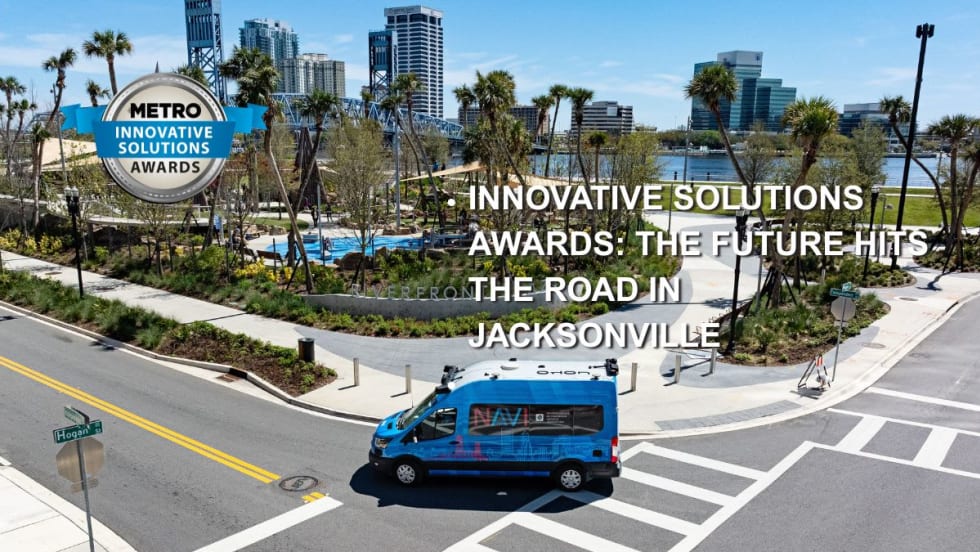
Jacksonville’s NAVI Project Charts a New Course for Autonomous Public Transportation
Through its NAVI program, JTA is showing how autonomous vehicles, intelligent infrastructure, and coordinated operations can work together to deliver everyday public transportation.
Read More →
Biz Briefs: Luminator Marks Milestone and More
From manufacturers and suppliers to transit agencies and motorcoach operators, these updates offer a snapshot of the projects, partnerships and business moves driving the industry forward.
Read More →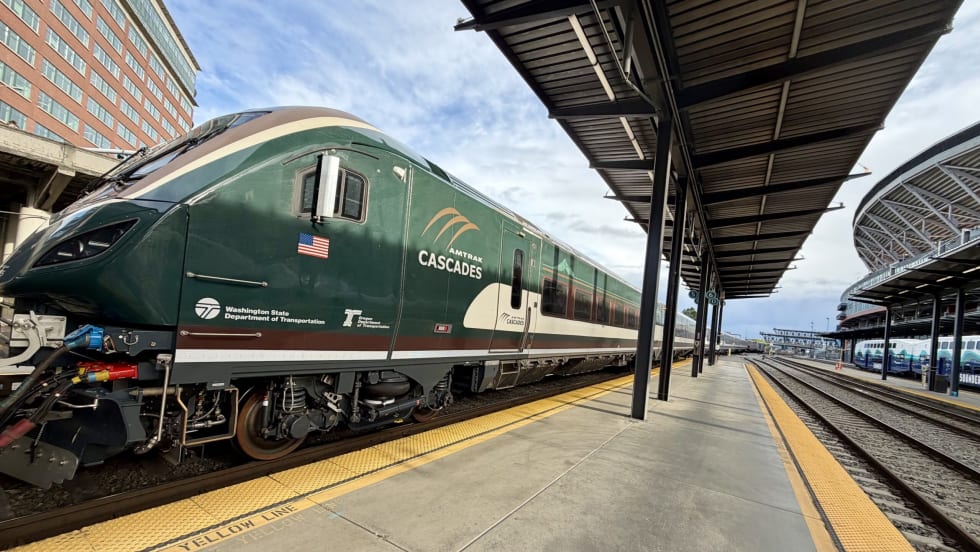
FRA Announces $5.3B in Rail Investments, Including $2B for Amtrak
Funding will support grade-crossing improvements, infrastructure upgrades, and new Amtrak equipment in 23 states.
Read More →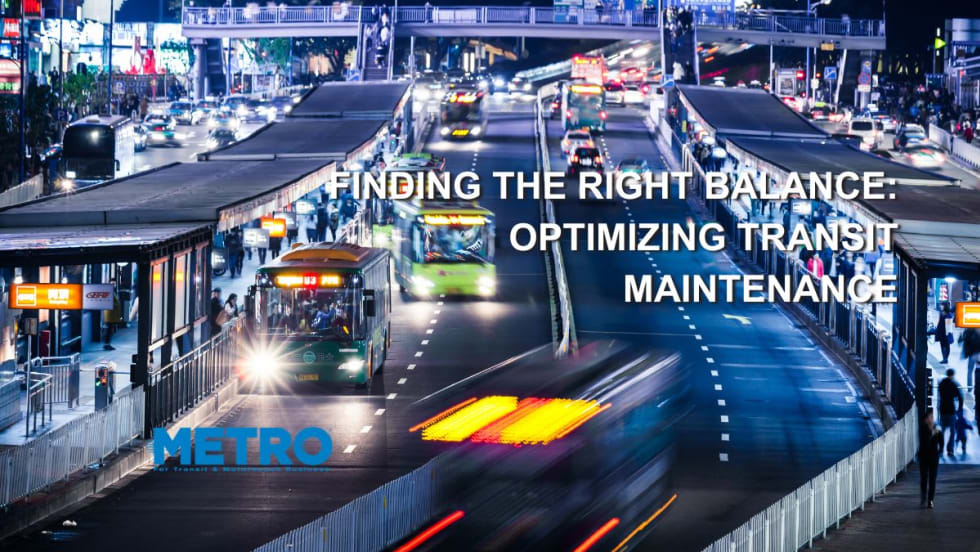
Finding the ‘Happy Medium’: Optimizing Maintenance Without Sacrificing Reliability
The key to maintenance optimization isn’t doing less work—it’s doing the right work at the right time on the right assets.
Read More →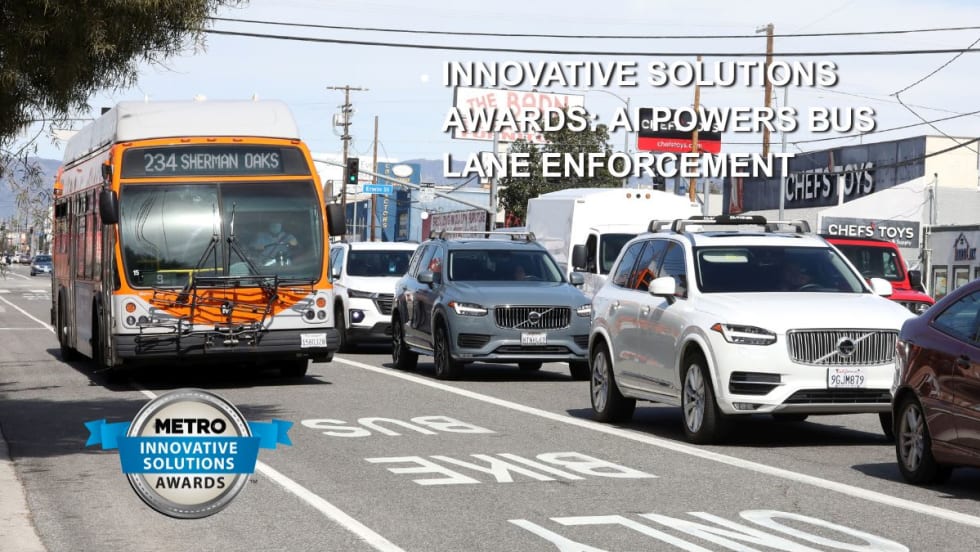
LA Metro, City of West Hollywood, and Partners Advance Smarter Bus Lane Enforcement
The award-winning partnership combines AI-powered detection with human oversight to improve bus reliability, accessibility, and enforcement efficiency.
Read More →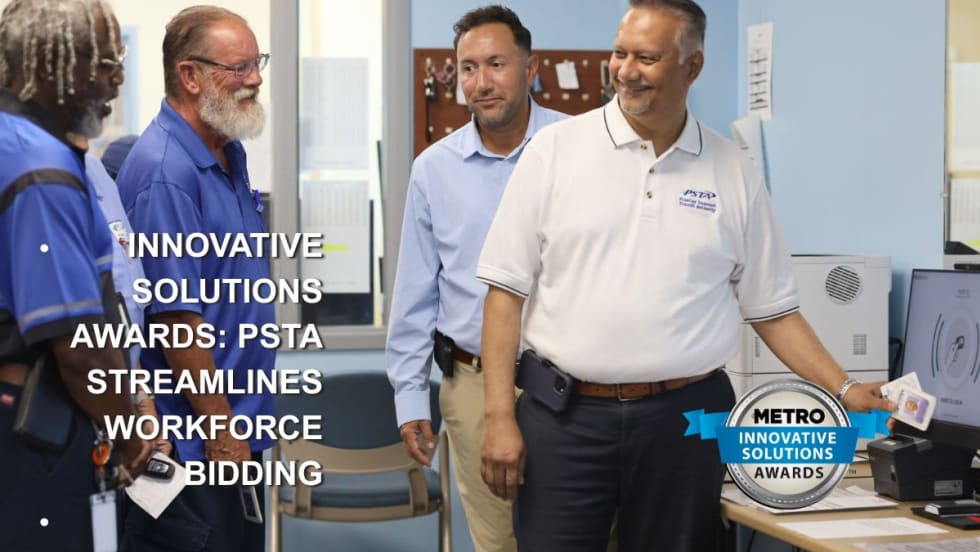
PSTA Modernizes Workforce Management with Digital Bidding System
The award-winning Workforce Transit Modernization project replaced paper bidding with a transparent digital platform, cutting administrative effort while improving access for operators.
Read More →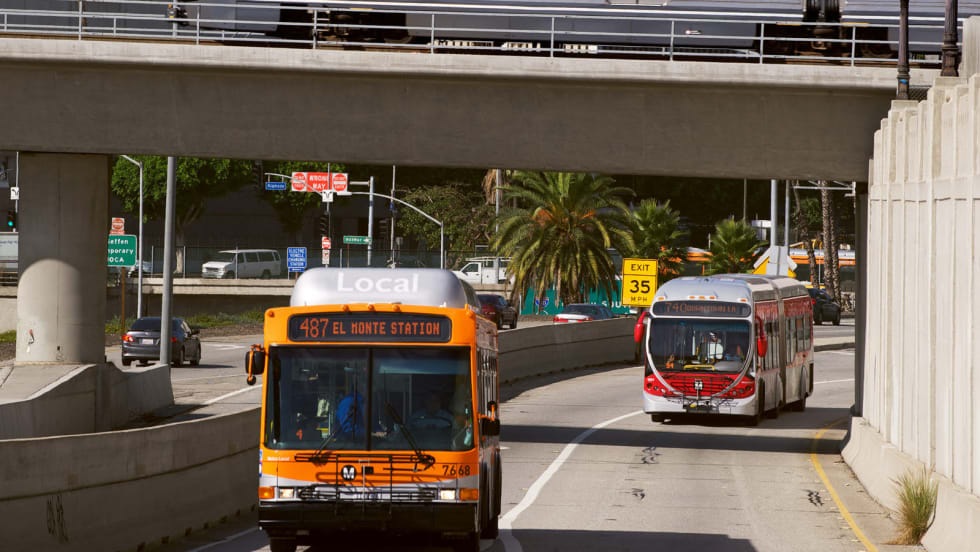
New Tricks for Old Bureaucracies: Joshua Schank on Making Transit Innovation Stick
Former LA Metro Chief Innovation Officer Joshua Schank discusses why good ideas aren't enough, how transit agencies can overcome resistance to change, and why today's challenges demand more innovation.
Read More →
How Data, Strategy, and Community Engagement Are Reshaping Transit
In this edition of METROspectives, strada360 CEO Steve Lassey discusses how transit agencies can better align planning with operations, leverage data to improve decision-making, and build public trust as they prepare for the future of mobility.
Read More →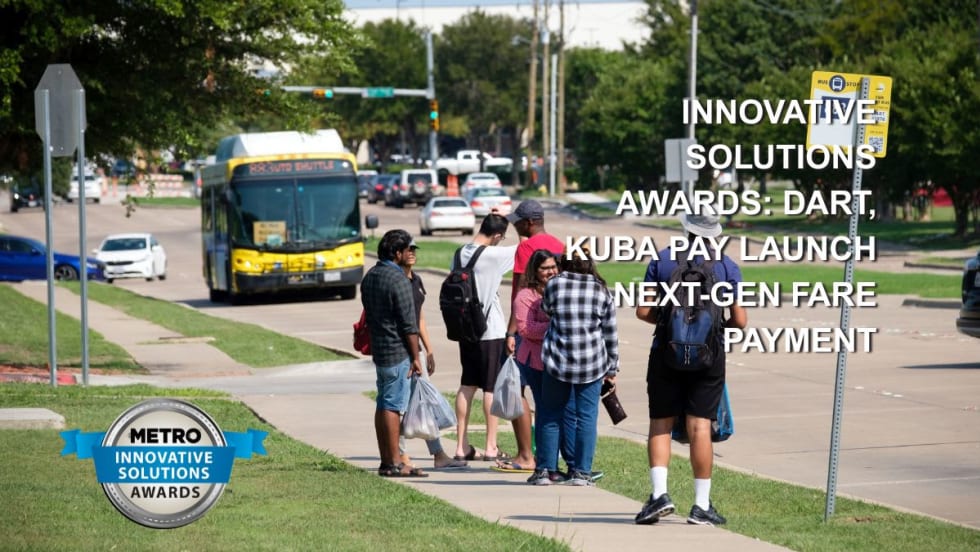
How DART's GoPass Is Redefining Regional Mobility
Serving 14 transit agencies, GoPass simplifies multimodal travel by allowing riders to plan, pay for, and manage an entire trip through one app.
Read More →
Turn Transit Data Into Action
Discover how leading agencies are using connected technology to gain real-time visibility across operations, improve service reliability, and reduce disruptions.
Read More →