



Masabi Acquires Passenger Technology Group
Masabi and Passenger share a vision for the future of public transport — connected, customer-centric, and cloud-native — where every step of the journey works together seamlessly to elevate the transit experience.

Masabi and Passenger officials said they will work together to deepen product integration, expand functionality, and enhance support capabilities alongside the development of innovative new products while ensuring continuity of service for existing customers.
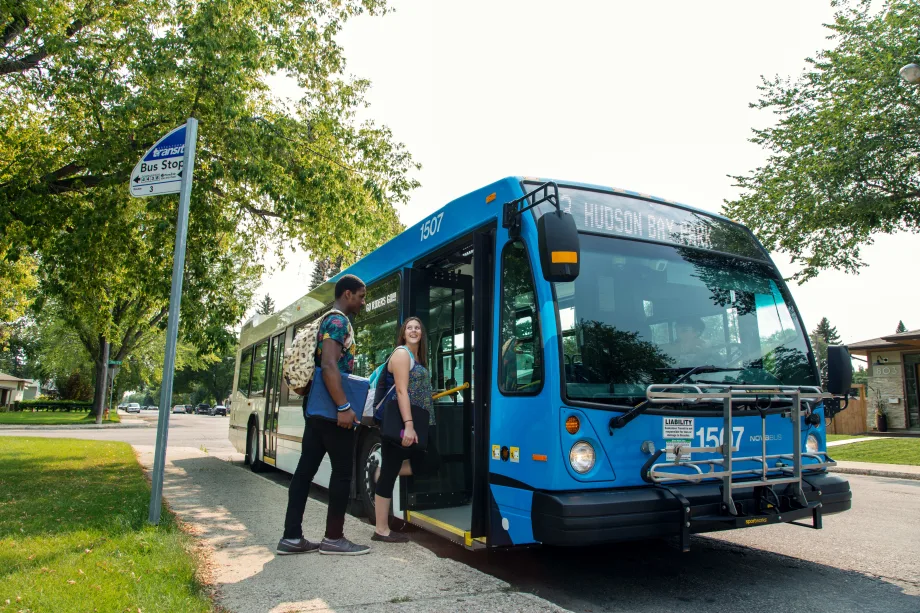
Masabi/Saskatoon Transit
- Masabi has acquired Passenger Technology Group.
- The acquisition aligns with their shared vision for a connected, customer-centric future in public transportation.
- Both companies aim to integrate their technologies to enhance the seamlessness of transit experiences.
*Summarized by AI
Masabi announced the acquisition of Passenger Technology Group Ltd, a UK-based passenger information and ticketing company.
The acquisition further strengthens Masabi’s end-to-end mobility offering by combining its global fare collection, payments, and back-office solution, Justride, with Passenger’s award-winning expertise in white-label mobile applications, websites, and real-time information tools used by public transport authorities and operators across the UK, said Masabi officials.
“Passenger has cultivated an excellent reputation for delivering intuitive, high-quality digital experiences that put customers first,” said Brian Zanghi, CEO at Masabi. “By combining Passenger with Masabi’s offerings, we will accelerate our vision of a fully connected, cloud-based mobility platform that can serve both operators and passengers worldwide. This acquisition enhances our ability to support cities and transport authorities and operators as they modernize and move toward more seamless, data-driven mobility systems.”
A Shared Vision for Public Transportation
Masabi and Passenger share a vision for the future of public transport — connected, customer-centric, and cloud-native — where every step of the journey works together seamlessly to elevate the transit experience.
The company said it continues its mission to help transport authorities and operators globally deliver a truly end-to-end plan-pay-ride passenger experience combining mobile ticketing, account-based ticketing, and open payments, including:
- One connected journey: From planning and paying to boarding, updates, and support — digital experiences people enjoy using.
- Frictionless access to transit: Making it easier for more people to choose public transport through simple purchasing, clear information, and consistent experiences.
- More resilient, modern operations: Cloud-native systems that scale, adapt, and improve faster, reducing complexity for operators and authorities.
- Smarter mobility through better data: Enabling better informed decisions, more relevant passenger communications, and a continuous cycle of service improvement.
- Innovation that compounds: Combining Masabi’s fare collection leadership with Passenger’s expertise in customer information and experience design to bring new ideas to market faster.
Continuity for Clients
Masabi and Passenger officials said they will work together to deepen product integration, expand functionality, and enhance support capabilities alongside the development of innovative new products while ensuring continuity of service for existing customers.
Quick Answers
The companies involved are Masabi and Passenger Technology Group.
*Summarized by AI
More Technology

From Hardware to Digital Partner: Luminator Charts Its Next Chapter
CEO Magnus Friberg discusses Luminator’s shift toward becoming a digital partner, the growing importance of software and interoperability, and how AI can help agencies improve operations and passenger experience.
Read More →
Beyond the Checklist: A Structured Approach to Transit Maintenance
Reliability-Centered Maintenance helps transit agencies move beyond routine checklists to focus limited resources on the assets and failures that have the greatest impact on safety, reliability, and service.
Read More →
NJ TRANSIT Advances Bus Technology Upgrades Across Statewide Fleet
More than 1,500 buses now feature upgraded technology designed to improve arrival predictions and provide free Wi-Fi, with deployment expected to reach nearly 2,000 buses by the end of 2026.
Read More →

Building a Flexible Path to Transit Electrification
John Hroncich discusses BAE Systems’ modular and scalable approach, lessons learned from decades of real-world operations, and how agencies can identify electrification strategies that fit their fleets.
Read More →
Biz Briefs: Alstom Lands Canadian Contract, LYT to Supply California TSP, and More
In METRO's latest installment, we take a look at recent news from Complete Coach Works, Beep, FlixBus, and more partnerships making headlines across the transportation sector.
Read More →
From Legacy Silos to Conversational Intelligence
What if transit leaders could ask any operational question and get a trusted answer in seconds? Conversational AI is transforming how agencies use their data.
Read More →
USDOT Announces Rail Vehicle Replacement Grants, Chattanooga AV Shuttle Funding
More than $191 million in federal funding will help three transit agencies replace aging rail vehicles and support a new autonomous shuttle service in Chattanooga.
Read More →
Bus Tech Talk: Keeping Transit Technicians Ahead of the Technology Curve
LA Metro’s Obed Mejia discusses technician training, evolving maintenance technology, fleet replacement, and strategies for getting the most out of today’s transit fleets.
Read More →
Biz Briefs: RIPTA Unveils New Frontrunners, Clevland RTA Adds New Siemens, and More
In METRO's latest installment, we take a look at recent news from Siemens, Prevost, Dodge, and more partnerships making headlines across the transportation sector.
Read More →
Why Simulating Pedestrian Movement Has Become Essential for Modern Rail Stations
Pedestrian microsimulation is helping rail planners identify bottlenecks, test station designs, and prepare complex transit hubs for growing passenger volumes.
Read More →