



NTSB Chair Praises NHTSA’s Final Rule on Bus Rollover Structural Integrity
On Dec. 29, NHTSA published its final rule creating Federal Motor Vehicle Safety Standard 227, “Bus rollover structural integrity," to enhance the structural integrity of motorcoaches and other buses with a gross vehicle weight rating greater than 26,000 pounds.
National Transportation Safety Board (NTSB) Chair Jennifer Homendy praised NHTSA's final rule aimed at protecting occupants during motorcoach and large bus rollovers but said more needs to be done to provide the same level of safety for lighter-weight buses.
“NHTSA's action is a positive step toward ensuring occupant safety on motorcoaches and other large buses," said Chair Jennifer Homendy. “The NTSB has been calling for this protection for bus passengers for more than 20 years. Although more work is needed to protect occupants of all buses, we are encouraged by NHTSA's actions on this rulemaking and look forward to future rulemaking addressing lighter-weight buses."
On Dec. 29, NHTSA published its final rule creating Federal Motor Vehicle Safety Standard 227, “Bus rollover structural integrity," to enhance the structural integrity of motorcoaches and other buses with a gross vehicle weight rating greater than 26,000 pounds. The rule complements NHTSA's previous work requiring passenger lap/shoulder belts on these same bus types at all seating positions, increasing the protection of passengers during rollover crashes.
The NTSB updated its recommendations addressing bus roof strength and window integrity that originated in 1999, as a result of its investigation of the Sept. 20, 2019, crash in Bryce Canyon City, Utah.
The NTSB recommended that NHTSA require all newly manufactured buses, other than school buses, with gross vehicle weight ratings above 10,000 pounds to meet a roof strength standard that provides maximum survival space for all seating positions and accounts for typical window dimensions [Safety Recommendation H-21-02] and that NHTSA require all newly manufactured buses, other than school buses, with gross vehicle weight ratings above 10,000 pounds to meet a window glazing standard that prevents occupant ejection [Safety Recommendation H-21-03]. Note that school bus structures must currently meet Federal Motor Vehicle Safety Standard 220 “School bus rollover protection.'' Details about this safety issue and related recommendations are available on ntsb.gov.
Although the final rule represents progress in improving the safety of bus passengers, the rule does not address buses between 10,000 and 26,000 pounds. The NTSB has investigated multiple fatal bus crashes, involving buses in this size range where roof integrity was insufficient to protect passengers.
More Security and Safety

Transit Agencies Highlight Safety Gains at National Summit
Leaders from 15 major transit systems shared crime-reduction results and safety initiatives while discussing the role of continued federal support.
Read More →
DART Launches Major Security, Fare Enforcement Initiative
The 90-day demonstration will deploy coordinated security teams at five light rail stations while testing controlled access and gathering data to guide future investments.
Read More →
RTD Launches NextRide App to Consolidate Trip Planning, Fares, Security Reporting
The app expands on RTD’s existing NextRide web application and allows customers to view real-time vehicle locations and service alerts, purchase and store digital fares, and access customer support.
Read More →
TAPTCO Updates OSHA Compliance Training for Transit Maintenance Operations
The revamped program addresses 26 OSHA standards for maintenance facilities, with TAPTCO pointing to training, documentation, and everyday shop hazards as continuing challenges for transit operations.
Read More →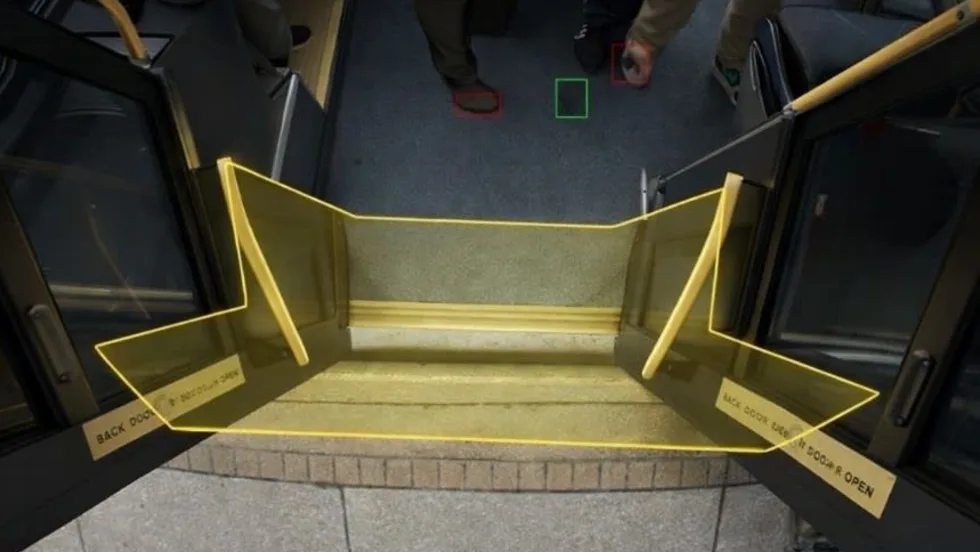
How VaporVision Adds Value to Transit Door Systems
Wabtec engineers explain how the system improves doorway detection, strengthens diagnostics and gives transit agencies and OEMs greater operating flexibility.
Read More →
FRA Announces $5.3B in Rail Investments, Including $2B for Amtrak
Funding will support grade-crossing improvements, infrastructure upgrades, and new Amtrak equipment in 23 states.
Read More →
Chicago, Maryland Expand Non-Law-Enforcement Safety, Rider Support
The CTA and MTA are launching new programs aimed at de-escalation, crisis response, rider assistance, and greater transparency.
Read More →
LA Metro, City of West Hollywood, and Partners Advance Smarter Bus Lane Enforcement
The award-winning partnership combines AI-powered detection with human oversight to improve bus reliability, accessibility, and enforcement efficiency.
Read More →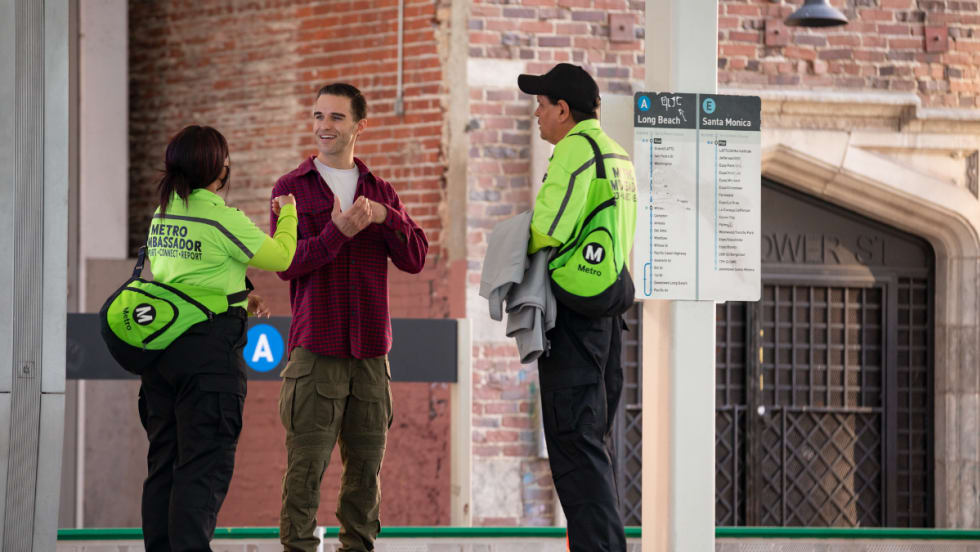
LA Metro Reports 57% Decline in Homelessness on Transit System Since 2024
The agency's latest homelessness count offers new data on how care-based services and cross-sector partnerships can complement traditional transit security strategies.
Read More →
FTA Launches 'Transit Moves America' Dashboard to Highlight Agency Safety and Performance
The online dashboard transforms National Transit Database information into a public-facing resource that allows users to compare transit agencies on key operational and safety metrics.
Read More →