



NTSB closes 7 D.C. Metro safety recommendations
Includes ensuring appropriate coordination between all departments responsible for maintenance and design; and establishing a written procedure regarding rail lubrication for single-track operations over switch and turnouts. Brings the total number of recommendations closed to 20 out of 29.

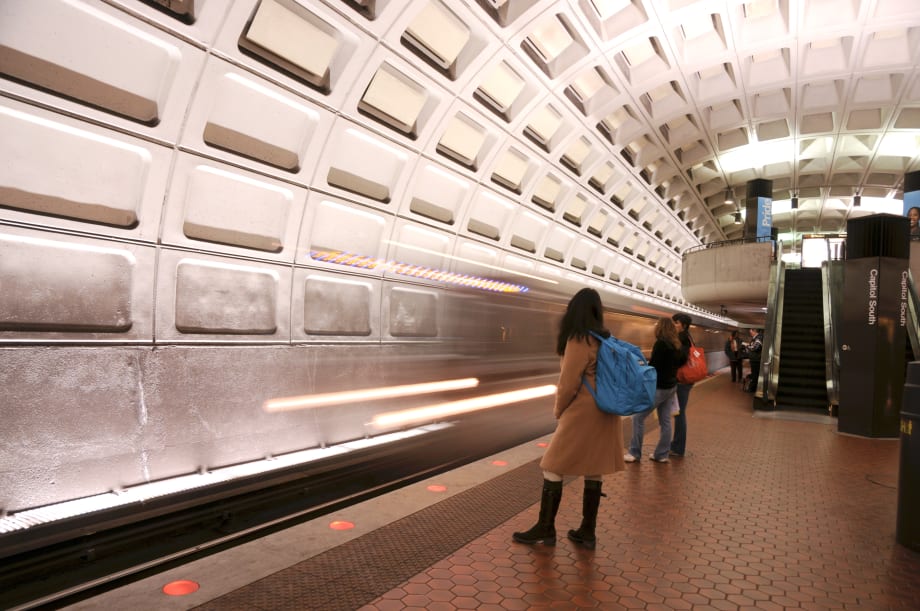
Photo courtesy Larry Levine, Washington Metropolitan Area Transportation Authority
Photo courtesy Larry Levine, Washington Metropolitan Area Transportation Authority
The National Transportation Safety Board (NTSB) closed seven more of Washington Metropolitan Area Transportation Authority’s (Metro) outstanding safety recommendations, bringing the total number of recommendations closed to 20 out of 29.
“The closure of seven recommendations by the NTSB continues our steady progress toward making the system safer for riders and employees,” said Metro GM Richard Sarles. “With the hard work of our employees and continued funding support from our stakeholders, we will stay on our path to bring all safety recommendations to closure.”
The seven recommendations recently closed by NTSB are:
R-07-025 Ensure appropriate coordination between all departments responsible for maintenance and design to resolve issues before new equipment is purchased.
R-07-026 Establish a single point of responsibility within [Car Maintenance] to quickly evaluate and incorporate actions identified through accident investigations or related research.
R-07-027 Establish a written procedure regarding rail lubrication for single-track operations over switch, turnouts.
R-08-001 Review and update [operating rules] to provide for layers of protection for roadway worker – adding requirements for briefings, scope and duties, acknowledgement from trains.
R-09-010 To all transit properties – Review medical history and physical examination forms and modify them as necessary to elicit information regarding sleep apnea or other sleep disorders.
R-09-11 To all transit properties – Establish a program to identify operators who are at high risk for obstructive sleep disorders and require that such operators by appropriately evaluated and treated.
R-10-11 Completely remove unnecessary wayside maintenance communication system to eliminate potential for interference with automatic train control system
Of the remaining nine recommendations, four have been submitted to NTSB for closure. The remaining five recommendations involve longer-duration projects — such as replacement of all 1000-series cars — that are in progress, but will require additional time to complete.
More Management
APTA Honors 2026 Award Winners, Hall of Fame Inductees at TRANSform & EXPO
Innovations in autonomous and zero-emission transportation, standout transit systems, and industry leadership took center stage among this year's honorees.
Read More →
7 Ways to Build a Better Transit Internship Program
Lessons from DRPA/PATCO’s approach to creating a meaningful internship experience—and developing the next generation of transportation professionals.
Read More →
Scenes from APTA TRANSform & EXPO 2026
Transit leaders, manufacturers, and industry professionals gathered in Chicago to explore new technologies, share ideas, and discuss the future of public transportation.
Read More →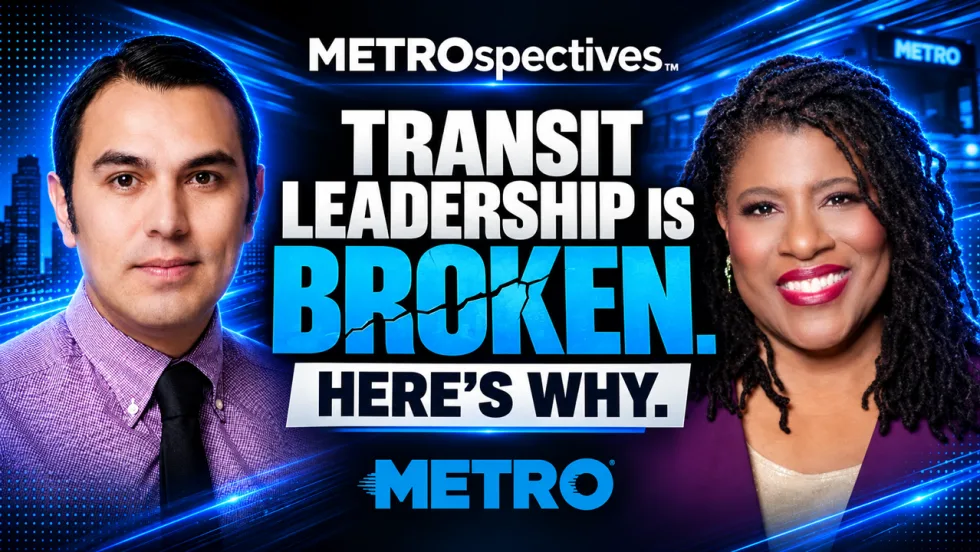
Building Stronger Leaders, More Resilient Transit Teams
Dr. Carol Parker Walsh discusses leadership development, employee retention, workplace culture, and preparing transit’s workforce for AI and automation.
Read More →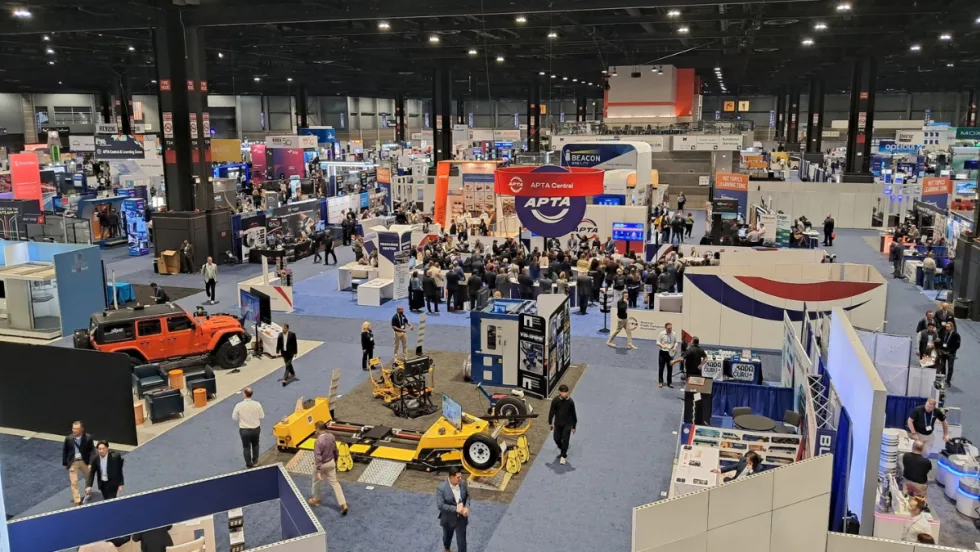
APTA 2026 TRANSform & EXPO Kicks Off in Chicago
After 45 years, APTA returns to Chicago with a focus on next-generation fleets, AI, connected transit networks, and the funding strategies shaping public transportation’s future.
Read More →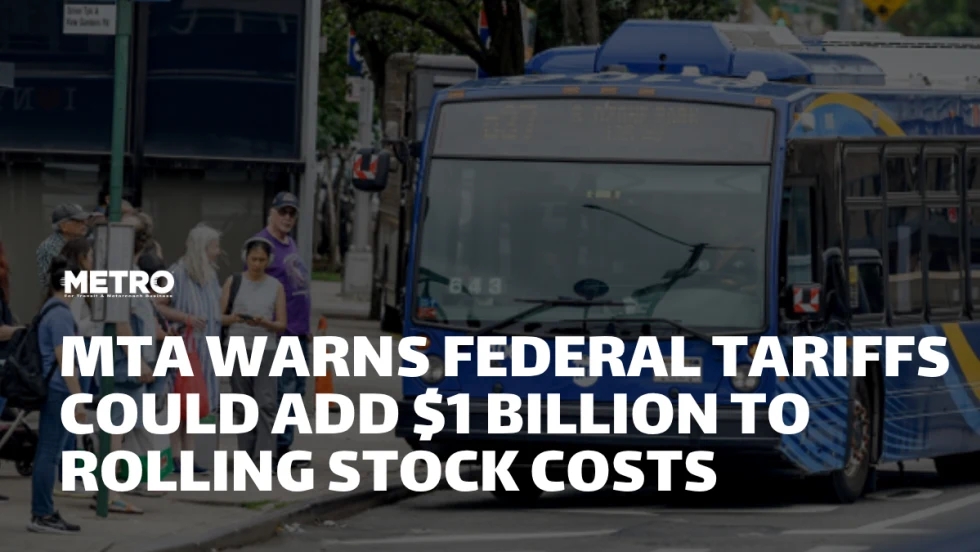
New York MTA Warns Federal Tariffs Could Add $1 Billion to Rolling Stock Costs
The agency said tariffs on specialized imported components could reduce the purchasing power of its $23 billion investment in new subway cars, railcars, and buses.
Read More →
From the Show Floor: What Happened at APTA TRANSform & EXPO 2026
See the latest product launches, partnerships, technology updates, and transit industry announcements from APTA TRANSform & EXPO in Chicago.
Read More →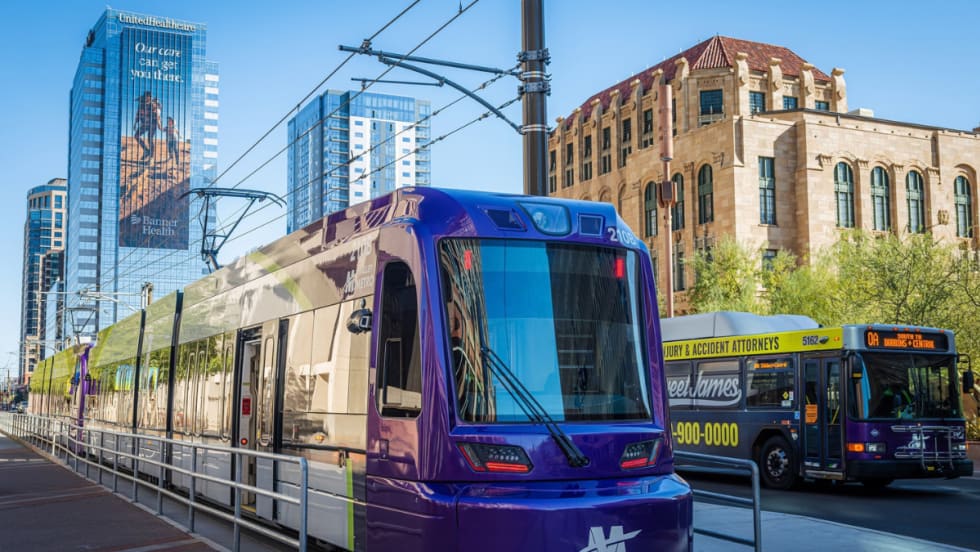
How Valley Metro Is Balancing Transit Growth With the Rider Experience
The APTA award-winning agency is pairing rapid system expansion with investments in workforce, safety, technology, and the fundamentals of transit service.
Read More →
Bus Tech Talk: Keeping Transit Technicians Ahead of the Technology Curve
In this episode of Bus Tech Talk, Complete Coach Works’ Business Development Manager Mark Hollenbeck and METRO’s Executive Editor Alex Roman sit down with Obed Mejia, Senior Technical Trainer for Bus Maintenance, at LA Metro to discuss how rapidly evolving bus technology is changing the maintenance shop — and the skills technicians need to keep pace.
Read More →
Michael Schneider Joins Paslay Group to Expand Transportation Practice
The longtime transportation executive will help Paslay Group grow its advisory and program management work across transit, highway, and other infrastructure sectors.
Read More →