



NTSB Urges FRA to Expand Tech Usage to Improve Rail Safety
In a report, the NTSB identified situations where new and emerging technologies can improve the nation’s existing positive train control, or PTC, system and benefit rail safety.

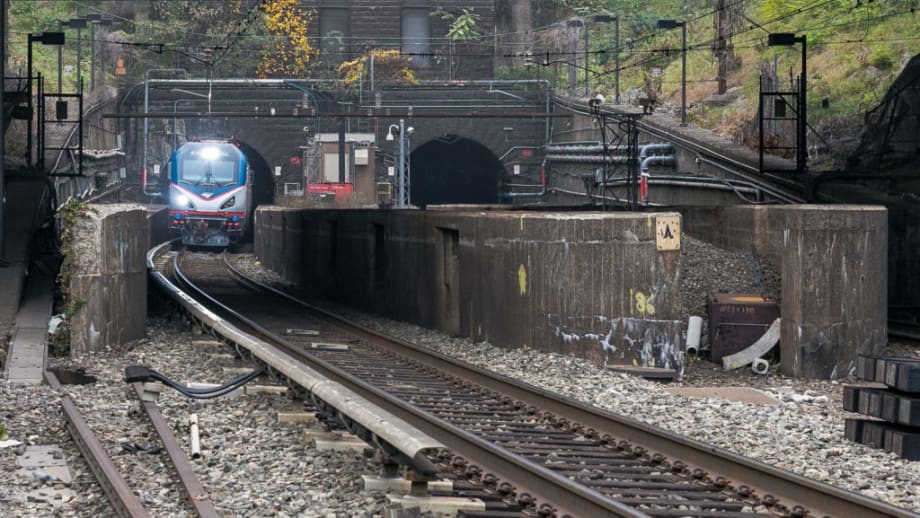
PTC is required on tracks with regularly scheduled intercity or commuter passenger rail service and Class I railroad main lines carrying poison- or toxic-by-inhalation hazardous materials.
Photo: Amtrak
The National Transportation Safety Board (NTSB) is calling on the Federal Railroad Administration (FRA) to formulate a plan to incorporate promising new technology into the existing system that prevents certain train collisions.
In a report, the NTSB identified situations where new and emerging technologies can improve the nation’s existing positive train control, or PTC, system and benefit rail safety.
A Step Beyond PTC
The NTSB has long advocated for the implementation of PTC. PTC is required on tracks with regularly scheduled intercity or commuter passenger rail service and Class I railroad main lines carrying poison- or toxic-by-inhalation hazardous materials.
“Implementation of positive train control across our nation’s rail system is undoubtedly a safety win — one the NTSB supported for over five decades,” said NTSB Chair Jennifer Homendy. “And yet, we haven’t achieved zero deaths on our railroads, which means there’s more we can and must do to strengthen safety.”
Report Findings
In the report, NTSB Investigators identified the following safety issues with existing PTC systems:
Insufficient information about train location during restricted-speed operations.
Obsolete exceptions to PTC use in terminal environments.
Overreliance on administrative controls to prevent unsafe use of switching mode on main tracks.
Unsafe train incursions into established working limits.
Additionally, the NTSB urged FRA to complete and publish the results of current research into new PTC technology and develop a plan to implement any promising technologies. The NTSB also recommended that FRA require railroads to adopt engineering controls that automatically return PTC to the active mode following switching operations and require railroads adopt engineering controls that eliminate the risk of miscommunication between dispatchers and roadway workers in charge regarding established working limits and PTC protection.
The report also recommended FRA work with railroads to remove terminal exceptions granted under federal regulations by using new technology.
The public docket for the investigation is available online.
More Security and Safety

Transit Agencies Highlight Safety Gains at National Summit
Leaders from 15 major transit systems shared crime-reduction results and safety initiatives while discussing the role of continued federal support.
Read More →
DART Launches Major Security, Fare Enforcement Initiative
The 90-day demonstration will deploy coordinated security teams at five light rail stations while testing controlled access and gathering data to guide future investments.
Read More →
RTD Launches NextRide App to Consolidate Trip Planning, Fares, Security Reporting
The app expands on RTD’s existing NextRide web application and allows customers to view real-time vehicle locations and service alerts, purchase and store digital fares, and access customer support.
Read More →

TAPTCO Updates OSHA Compliance Training for Transit Maintenance Operations
The revamped program addresses 26 OSHA standards for maintenance facilities, with TAPTCO pointing to training, documentation, and everyday shop hazards as continuing challenges for transit operations.
Read More →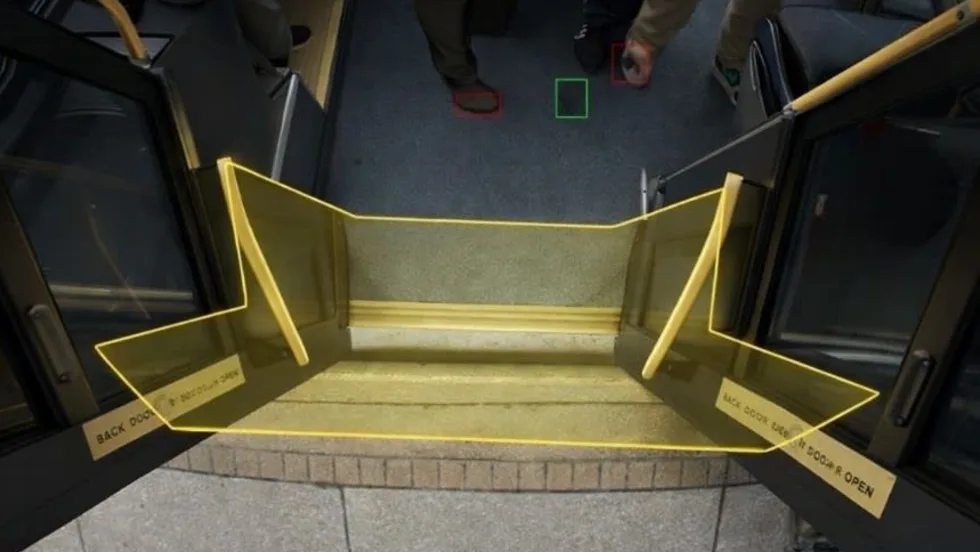
How VaporVision Adds Value to Transit Door Systems
Wabtec engineers explain how the system improves doorway detection, strengthens diagnostics and gives transit agencies and OEMs greater operating flexibility.
Read More →
FRA Announces $5.3B in Rail Investments, Including $2B for Amtrak
Funding will support grade-crossing improvements, infrastructure upgrades, and new Amtrak equipment in 23 states.
Read More →
Chicago, Maryland Expand Non-Law-Enforcement Safety, Rider Support
The CTA and MTA are launching new programs aimed at de-escalation, crisis response, rider assistance, and greater transparency.
Read More →
LA Metro, City of West Hollywood, and Partners Advance Smarter Bus Lane Enforcement
The award-winning partnership combines AI-powered detection with human oversight to improve bus reliability, accessibility, and enforcement efficiency.
Read More →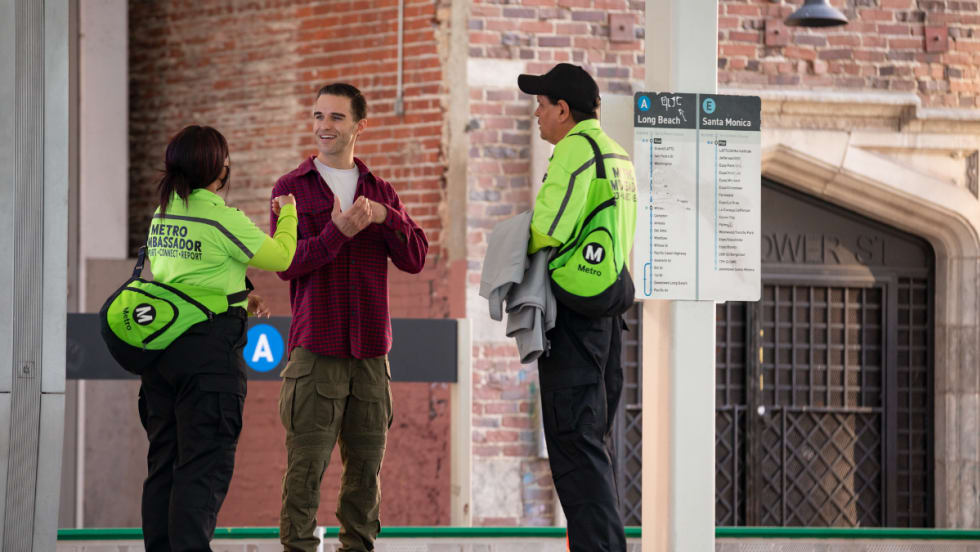
LA Metro Reports 57% Decline in Homelessness on Transit System Since 2024
The agency's latest homelessness count offers new data on how care-based services and cross-sector partnerships can complement traditional transit security strategies.
Read More →
FTA Launches 'Transit Moves America' Dashboard to Highlight Agency Safety and Performance
The online dashboard transforms National Transit Database information into a public-facing resource that allows users to compare transit agencies on key operational and safety metrics.
Read More →