



NY MTA issues update on precautions against coronavirus
Health guidance messaging deployed across 3,000 digital screens on subway, 2,000 on buses, and 550 on commuter railroads.

NY MTA

NY MTA
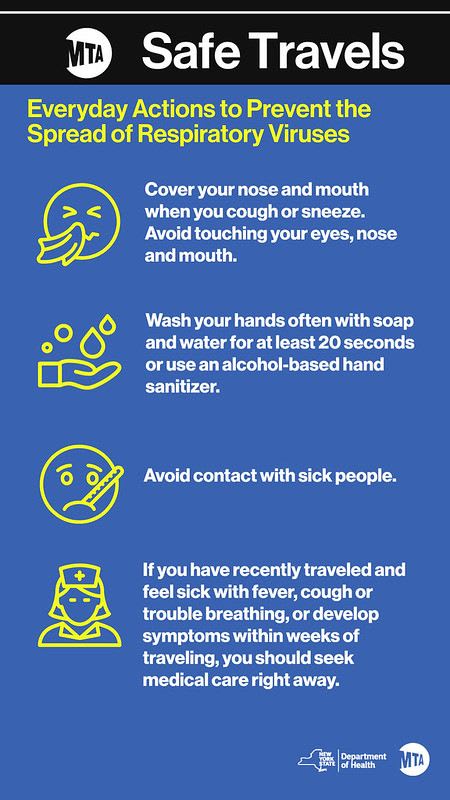
The New York Metropolitan Transportation Authority (MTA) issued an update on the precautions taken by the agency in response to the novel coronavirus (COVID-19). While there is no confirmed case in New York, the MTA has already taken a number of steps to provide information about the novel coronavirus to our employees and our eight million daily customers across NYC Transit, Metro-North and Long Island Rail Road.
The MTA has deployed health guidance in English, Chinese, Spanish, Russian and Korean across the system on 3,600 subway screens, 2,000 bus screens and at 84 subway station street entrances. The same messaging is also being deployed across our railroads.
Extended hours are being offered for employees to receive free flu shots at any MTA Medical Assessment Center (MAC). Employees can also get flu shots at a pharmacy or from their health care provider.
“The MTA has protocols in place for any emergency scenario, from a public health crisis to an extreme weather event,” said Patrick Warren, MTA Chief Safety Officer. “We are regularly monitoring the circumstances surrounding the coronavirus with the utmost seriousness at the direction of federal and state health authorities.”
In the meantime, the MTA is urging customers and employees to follow the below recommendations from the CDC:
Wash your hands often with soap and water for at least 20 seconds. If soap and water are not available, use an alcohol-based hand sanitizer.
Avoid touching your eyes, nose and mouth with unwashed hands.
Avoid close contact with people who are sick.
Stay home when you are sick.
Cover your cough or sneeze with a tissue, then throw the tissue in the trash.
Clean and disinfect frequently touched objects and surfaces.
Individuals who are experiencing symptoms and may have traveled to areas of concern or have been in contact with somebody who has traveled to these areas should call ahead to their healthcare provider before presenting for treatment.
Coronavirus is an umbrella term for a host of mild to moderate illnesses including the common cold. Most people get infected with one or more of these viruses at some point in their lives. These illnesses should not be confused with COVID-19.
More Security and Safety

Transit Agencies Highlight Safety Gains at National Summit
Leaders from 15 major transit systems shared crime-reduction results and safety initiatives while discussing the role of continued federal support.
Read More →
DART Launches Major Security, Fare Enforcement Initiative
The 90-day demonstration will deploy coordinated security teams at five light rail stations while testing controlled access and gathering data to guide future investments.
Read More →
RTD Launches NextRide App to Consolidate Trip Planning, Fares, Security Reporting
The app expands on RTD’s existing NextRide web application and allows customers to view real-time vehicle locations and service alerts, purchase and store digital fares, and access customer support.
Read More →

TAPTCO Updates OSHA Compliance Training for Transit Maintenance Operations
The revamped program addresses 26 OSHA standards for maintenance facilities, with TAPTCO pointing to training, documentation, and everyday shop hazards as continuing challenges for transit operations.
Read More →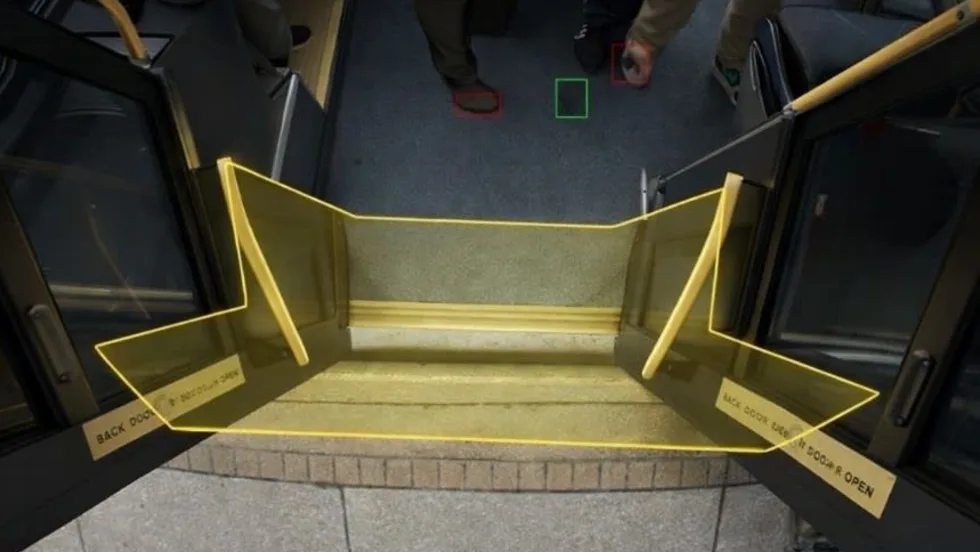
How VaporVision Adds Value to Transit Door Systems
Wabtec engineers explain how the system improves doorway detection, strengthens diagnostics and gives transit agencies and OEMs greater operating flexibility.
Read More →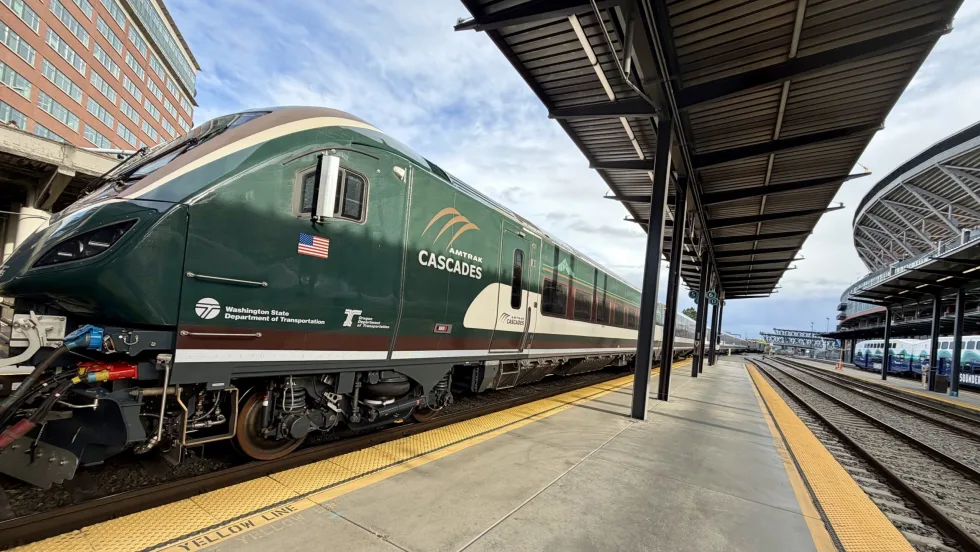
FRA Announces $5.3B in Rail Investments, Including $2B for Amtrak
Funding will support grade-crossing improvements, infrastructure upgrades, and new Amtrak equipment in 23 states.
Read More →
Chicago, Maryland Expand Non-Law-Enforcement Safety, Rider Support
The CTA and MTA are launching new programs aimed at de-escalation, crisis response, rider assistance, and greater transparency.
Read More →
LA Metro, City of West Hollywood, and Partners Advance Smarter Bus Lane Enforcement
The award-winning partnership combines AI-powered detection with human oversight to improve bus reliability, accessibility, and enforcement efficiency.
Read More →
LA Metro Reports 57% Decline in Homelessness on Transit System Since 2024
The agency's latest homelessness count offers new data on how care-based services and cross-sector partnerships can complement traditional transit security strategies.
Read More →
FTA Launches 'Transit Moves America' Dashboard to Highlight Agency Safety and Performance
The online dashboard transforms National Transit Database information into a public-facing resource that allows users to compare transit agencies on key operational and safety metrics.
Read More →