



NY MTA to replace fare system with contactless, mobile payment
The new account-based system will allow customers a variety of convenient self-service options to manage their account, including via the web and on mobile devices.

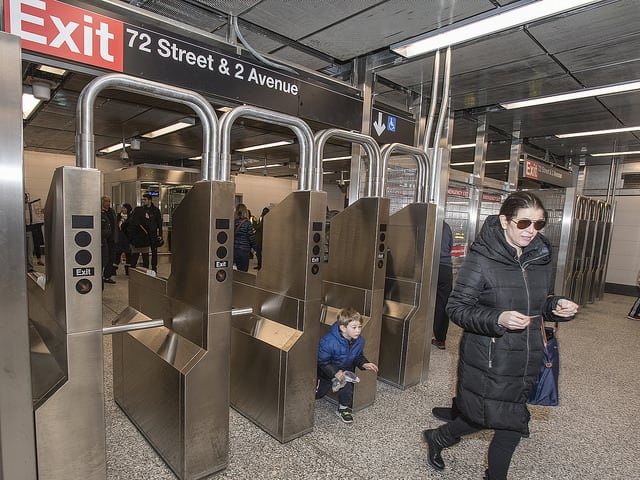
MTA users will be able to use a mobile wallet like Apple Pay or tap a contactless bank card at turnstiles and on buses across the city. Photo: MetropolitanTransportationAuthority-PatrickCashin

The Metropolitan Transportation Authority (MTA) board voted today to approve a contract to phase in a new fare payment system that will incorporate the latest digital technologies and ease travel across all MTA transit and commuter rail systems. The moves help officially mark the formal transition away from the MetroCard, which was first introduced in 1994.
The design-build contract, which improves efficiency and quality by letting a single private sector vendor both design and build the new system, was awarded to Cubic Transportation Systems Inc., which has delivered similar technology for London’s public transit system.
The shift away from the MetroCard and other existing ticketing systems will take place in a series of phases over a period of more than five years, with customers first being able to use contactless open payment options as soon as midway through 2019.
Rather than swiping a MetroCard, MTA users will instead be able to use a mobile wallet like Apple Pay or tap a contactless bank card at turnstiles and on buses across the city. The new system will test payment options for all-door boarding on SBS buses, a critical measure for reducing the time it takes for customers to board and travel. Long Island Rail Road and Metro-North Railroad customers will also be able to merge their subway, bus and rail tickets into one integrated form of payment as well.
The new account-based system will allow customers a variety of convenient self-service options to manage their account, including via the web and on mobile devices.
An additional critical component of the program will provide benefits to customers who do not have, or want to use, smartphones or contactless bank cards by enabling them to purchase and reload contactless transit cards from new vending machines and through an out-of-system retail network. The new system is expected to have lower maintenance costs than the current systems, and the vendor will be able to adapt to new technologies as they emerge during the course of the contract.
By 2019, a total of 500 subway turnstiles and 600 buses are set to receive the necessary technology upgrades. At the same time, customers will still be able to use MetroCard until 2023. MetroCard will not be retired until the new system is fully tested and operational.
More Technology
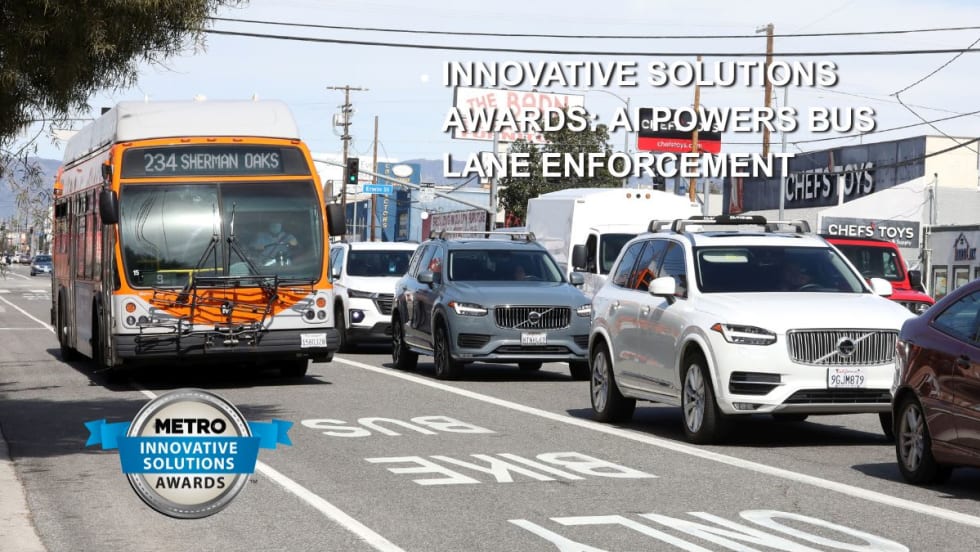
LA Metro, City of West Hollywood, and Partners Advance Smarter Bus Lane Enforcement
The award-winning partnership combines AI-powered detection with human oversight to improve bus reliability, accessibility, and enforcement efficiency.
Read More →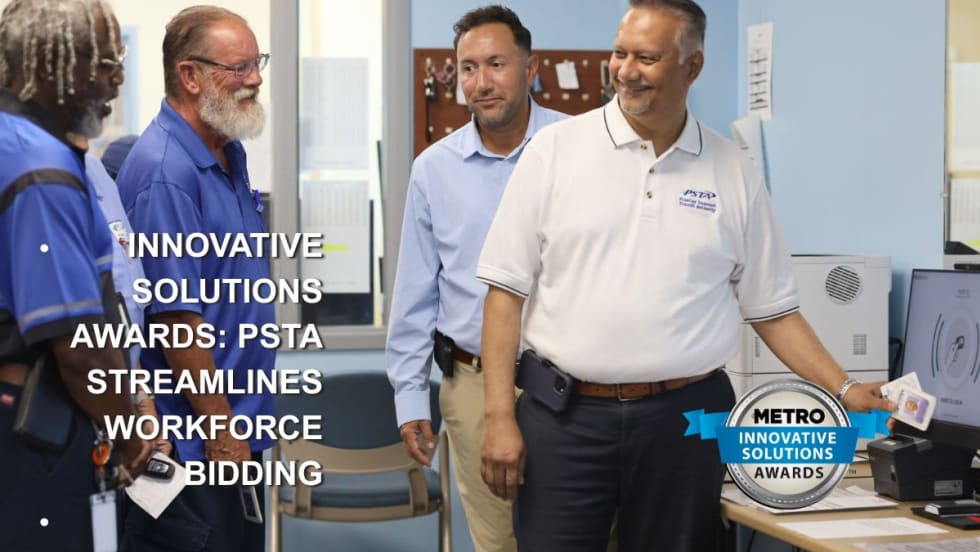
PSTA Modernizes Workforce Management with Digital Bidding System
The award-winning Workforce Transit Modernization project replaced paper bidding with a transparent digital platform, cutting administrative effort while improving access for operators.
Read More →
New Tricks for Old Bureaucracies: Joshua Schank on Making Transit Innovation Stick
Former LA Metro Chief Innovation Officer Joshua Schank discusses why good ideas aren't enough, how transit agencies can overcome resistance to change, and why today's challenges demand more innovation.
Read More →
How Data, Strategy, and Community Engagement Are Reshaping Transit
In this edition of METROspectives, strada360 CEO Steve Lassey discusses how transit agencies can better align planning with operations, leverage data to improve decision-making, and build public trust as they prepare for the future of mobility.
Read More →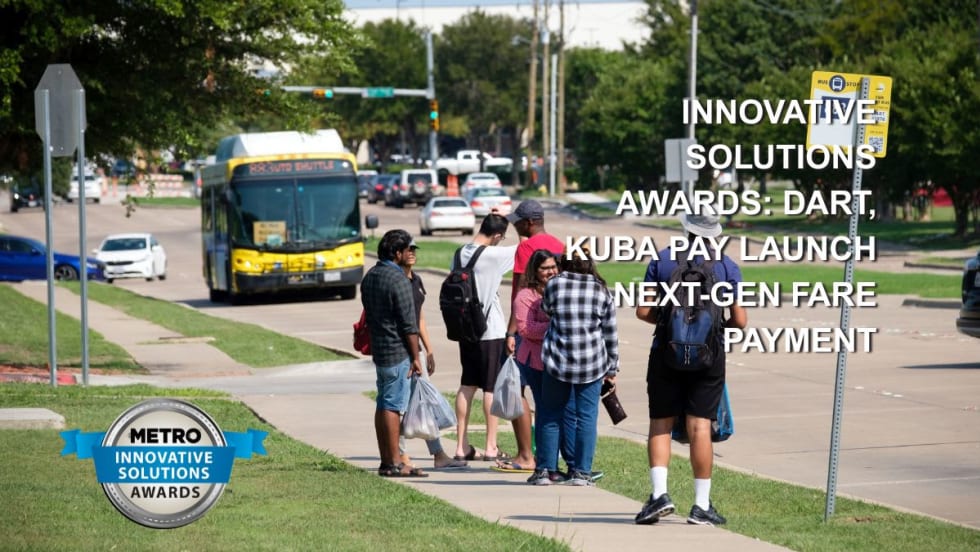
How DART's GoPass Is Redefining Regional Mobility
Serving 14 transit agencies, GoPass simplifies multimodal travel by allowing riders to plan, pay for, and manage an entire trip through one app.
Read More →
Turn Transit Data Into Action
Discover how leading agencies are using connected technology to gain real-time visibility across operations, improve service reliability, and reduce disruptions.
Read More →
Biz Briefs: OCTA Taps Clean Energy for Hydrogen Station, Stadler to Supply Via Rail Vehicles, and More
From manufacturers and suppliers to transit agencies and motorcoach operators, these updates offer a snapshot of the projects, partnerships and business moves driving the industry forward.
Read More →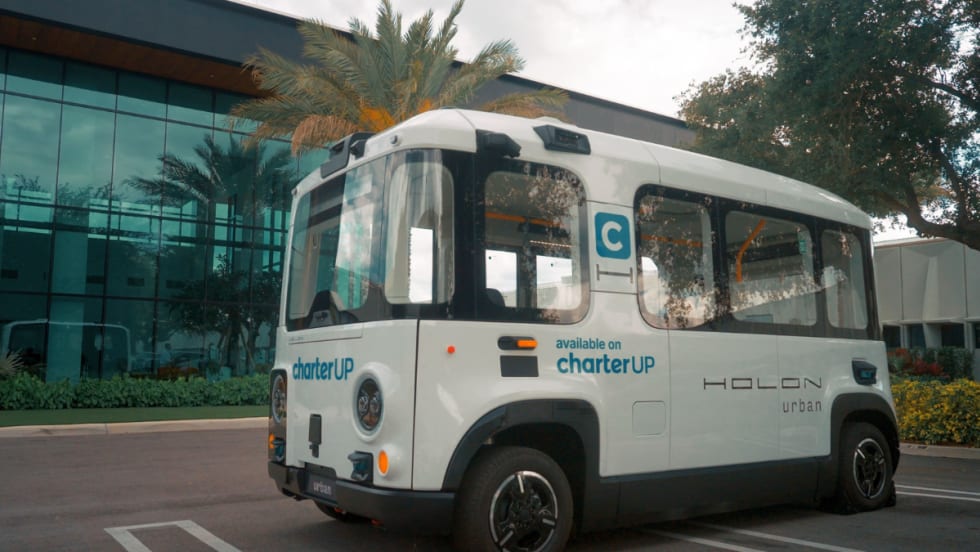
CharterUP Expands Into New Mobility and Autonomous Transportation
Vice President of New Mobility Stephen Joos discusses how CharterUP is leveraging its nationwide transportation network, technology platform, and autonomous vehicle partnerships to expand into workforce mobility, campus shuttles, and transit solutions.
Read More →
METRO Magazine Announces 2026 Innovative Solutions Awards Winners
Projects Recognized for Advancing Mobility Through Technology, Accessibility, Workforce Innovation, and Operational Excellence
Read More →
Cummins Introduces Phased Model Year 2027 Launch Strategy
According to officials, the approach is designed to maintain regulatory compliance, support customer production schedules, and provide additional time to ramp production in a disciplined manner that helps ensure a successful transition for the industry.
Read More →