




RELATED: The 'Genius' Idea to Improve Rail Signaling Accuracy
NYC Transit continues work to improve rail accessibility
The 86 St R project will add elevators and reconfigure station infrastructure — such as handrails, turnstiles and powered gates, Braille signage, and platform panels — for full accessibility.
June 6, 2018
2 min to read
MTA New York City Transit (NYC Transit) announced that a project to bring full wheelchair and stroller accessibility to the 86 St R station will begin this month.
“I have said from Day One of my tenure that improving accessibility is one of my four top priorities, and I’m pleased to see this station moving us ahead on that goal,” said NYC Transit President Andy Byford. “We will continue to review the entire system and study how we can bring greater accessibility to the New York City Subway.”
The 86 St R project will add elevators and reconfigure station infrastructure — such as handrails, turnstiles and powered gates, Braille signage, and platform panels — for full accessibility. Two new elevators, one connecting the street to the mezzanine and the other from the mezzanine to the platform, will provide access to the entire station. In addition, the station agent booth will be modified to a wheelchair-friendly height and new sidewalk pedestrian ramps will be installed. The project also involves building and reconfiguring existing crew and equipment rooms to accommodate new electrical and mechanical infrastructure required for the elevators. More than 12,000 weekday customers use the station.
Work on this project will begin this month, and the elevators will become operational in 2020. The station will remain open for regular weekday service during the construction, with occasional closures on some weekends and weeknights to accommodate work that requires platform or track access.
The MTA awarded the $17.9 million contract, which includes incentives for early completion, to El Sol Contracting in December 2017.
Currently, 118 stations are wheelchair accessible, and 25 more are currently in progress to become so. Nearly $5 billion has been invested to make subway stations accessible, including $1.4 billion in the 2015-19 MTA capital program. The 2015-19 capital program also includes $479 million to replace 42 existing elevators and 27 escalators. Future capital programs will include funding for additional stations.
More Paratransit

Biz Briefs: RIPTA Unveils New Frontrunners, Clevland RTA Adds New Siemens, and More
In METRO's latest installment, we take a look at recent news from Siemens, Prevost, Dodge, and more partnerships making headlines across the transportation sector.
Read More →
King County Metro Makes ADA Paratransit Easier to Navigate
METRO's Innovative Solutions Award winner replaces complex service-area descriptions with an accessible, interactive map that puts paratransit information directly in customers’ hands.
Read More →
Jacksonville’s NAVI Project Charts a New Course for Autonomous Public Transportation
Through its NAVI program, JTA is showing how autonomous vehicles, intelligent infrastructure, and coordinated operations can work together to deliver everyday public transportation.
Read More →
Driving Smarter Paratransit
John Hanlon shares how AlphaRoute is leveraging AI-powered technology to help paratransit providers optimize operations, support frontline staff, and enhance the rider experience.
Read More →
METRO Magazine Announces 2026 Innovative Solutions Awards Winners
Projects Recognized for Advancing Mobility Through Technology, Accessibility, Workforce Innovation, and Operational Excellence
Read More →
Biz Briefs: STV teams with Amtrak, Motorcoach Operators Boost Fleet and Land Contracts, and More
From manufacturers and suppliers to transit agencies and motorcoach operators, these updates offer a snapshot of the projects, partnerships and business moves driving the industry forward.
Read More →
Biz Briefs: Masabi Teams with St. Louis Metro and More
In METRO's latest installment, we take a look at recent news from Transdev, Hitachi, and more partnerships making headlines across the transportation sector.
Read More →
New York MTA Leverages Zoning Program to Advance Station Accessibility
Accessibility enhancements at Nevins St Station will be financed through a development agreement tied to the MTA's Zoning for Accessibility initiative.
Read More →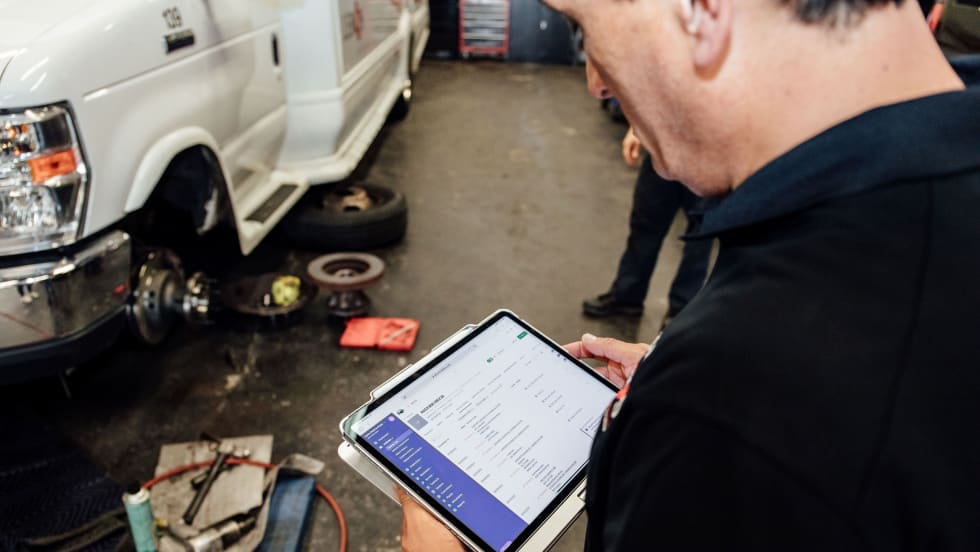
Reinventing Fleet Maintenance with Real-time Visibility and AI
Transit leaders need to know what needs fixing, where to look, who is responsible, when work is completed, and what it costs without having to chase information across disconnected systems.
Read More →
SamTrans Sets Priorities for Potential Connect Bay Area Revenue
The board-approved framework allocates future funding to maintaining service, rider improvements, equity initiatives, and infrastructure repairs.
Read More →