



NYC Transit launching town halls to discuss system modernization
The Fast Forward Plan includes goals such as installing new signal and track infrastructure for subways and accelerating accessibility.

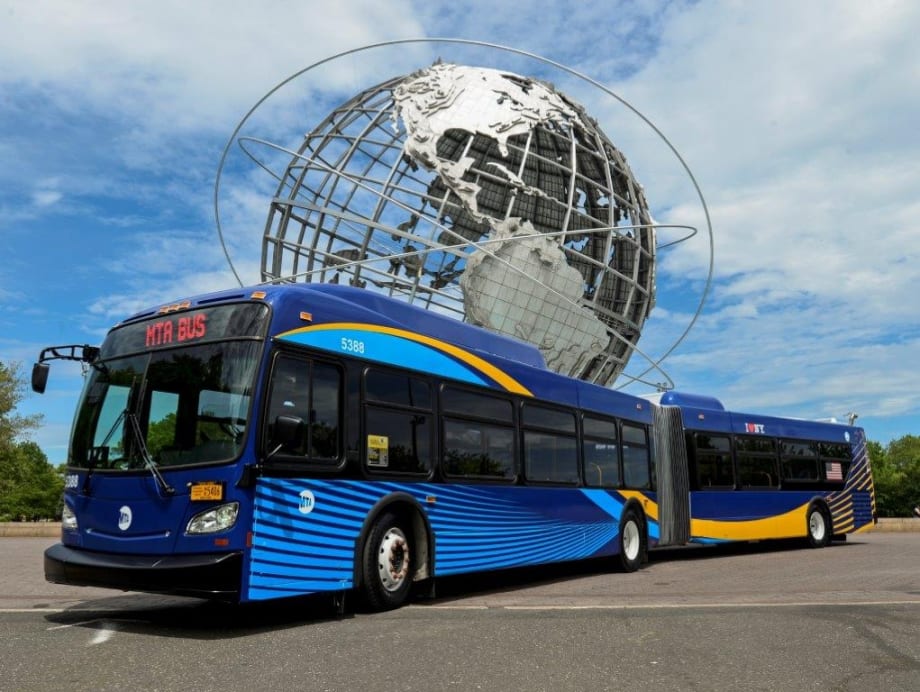
To track and report progress and to hold itself accountable to stakeholders and the public, MTA New York City Transit plans to issue twice-yearly reports on the progress of its Fast Forward Plan initiatives.
Marc A. Hermann/MTA NYC Transit
To track and report progress and to hold itself accountable to stakeholders and the public, MTA New York City Transit plans to issue twice-yearly reports on the progress of its Fast Forward Plan initiatives.
Marc A. Hermann/MTA NYC Transit
MTA New York City Transit is hosting a series of town hall-style public meetings in every borough of New York City this year to discuss the recently announced Fast Forward Plan to modernize the subway system and reimagine bus and paratransit service, with the first meeting planned for Tuesday, Aug. 21.
“The Fast Forward Plan is a massive undertaking that requires buy-in from all stakeholders — our customers, our colleagues, advocates, the business community, and elected officials at every level of government,” NYC Transit President Andy Byford said. “The future success of New York City depends upon the success of this comprehensive plan to modernize our transit system, and we’ll be out there in every borough making the case.”
In May, Byford introduced the Fast Forward Plan: The Plan to Modernize New York City Transit as a roadmap to modernizing all services offered by MTA New York City Transit, including subway service and subway stations, local, express and SBS bus routes, and paratransit options. The plan also sets out to improve accessibility across all services, and addresses how NYCT can improve its organizational structure, corporate culture, and customer service including communication with the public.
The Fast Forward Plan, which was delivered to the MTA Board, includes goals such as installing state-of-the-art new signal and track infrastructure for subways within five years, accelerating accessibility improvements across the subway system by ensuring all customers will be no more than two stops from an accessible station within five years, repairing and improving more than 150 subway stations over five years, putting a new modern fleet of thousands of subway cars and buses into service within five years, and completely redesigning the bus network to meet new ridership demands and population trends.
To track and report progress and to hold itself accountable to stakeholders and the public, MTA New York City Transit plans to issue twice-yearly reports on the progress of its Fast Forward Plan initiatives. Since the plan was announced, the agency has moved forward on accessibility improvements at three subway stations, moved forward on redesigning the entire Staten Island express bus network to improve reliability and service, increased off-peak service on bus routes with high growth potential, and launched the quarterly Customer Commitment report to set and track clear goals on customer-focused improvements.
Additionally as part of the Fast Forward Plan NYC Transit is implementing a redesign of the Staten Island Express Bus network this week and is embarking on a redesign of bus travel in the Bronx as part of a plan to redesign the bus network throughout the entire city. In June, Byford appointed the agency’s first advisor for systemwide accessibility to improve paratransit service and implement accessibility initiatives in the Fast Forward Plan.
More Management
Utilimarc Launches SmartReplace to Optimize Fleet Replacement Decisions
AI-powered SmartReplace helps fleets prioritize vehicle replacements, model budget scenarios, and build more defensible long-term strategies.
Read More →
APTA Honors 2026 Award Winners, Hall of Fame Inductees at TRANSform & EXPO
Innovations in autonomous and zero-emission transportation, standout transit systems, and industry leadership took center stage among this year's honorees.
Read More →
7 Ways to Build a Better Transit Internship Program
Lessons from DRPA/PATCO’s approach to creating a meaningful internship experience—and developing the next generation of transportation professionals.
Read More →
Scenes from APTA TRANSform & EXPO 2026
Transit leaders, manufacturers, and industry professionals gathered in Chicago to explore new technologies, share ideas, and discuss the future of public transportation.
Read More →
Building Stronger Leaders, More Resilient Transit Teams
Dr. Carol Parker Walsh discusses leadership development, employee retention, workplace culture, and preparing transit’s workforce for AI and automation.
Read More →
APTA 2026 TRANSform & EXPO Kicks Off in Chicago
After 45 years, APTA returns to Chicago with a focus on next-generation fleets, AI, connected transit networks, and the funding strategies shaping public transportation’s future.
Read More →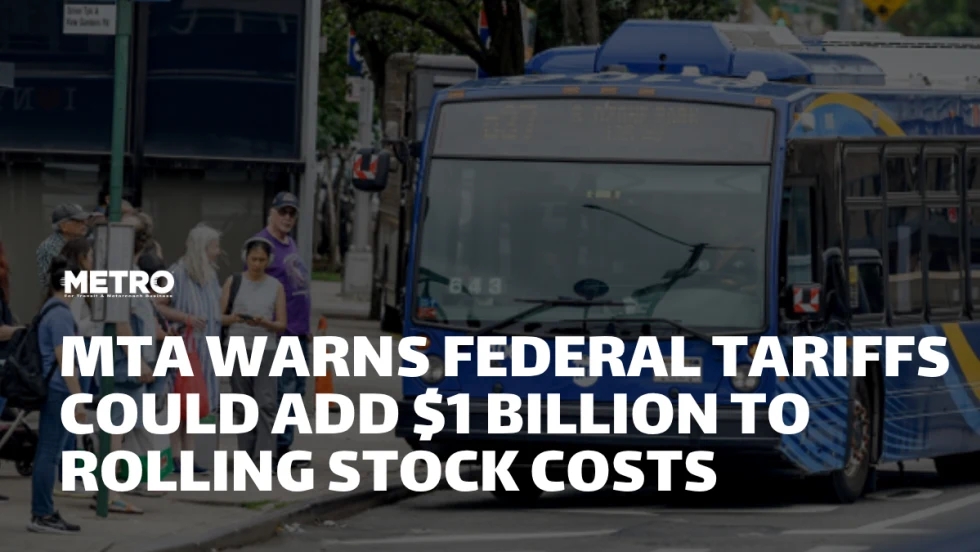
New York MTA Warns Federal Tariffs Could Add $1 Billion to Rolling Stock Costs
The agency said tariffs on specialized imported components could reduce the purchasing power of its $23 billion investment in new subway cars, railcars, and buses.
Read More →
From the Show Floor: What Happened at APTA TRANSform & EXPO 2026
See the latest product launches, partnerships, technology updates, and transit industry announcements from APTA TRANSform & EXPO in Chicago.
Read More →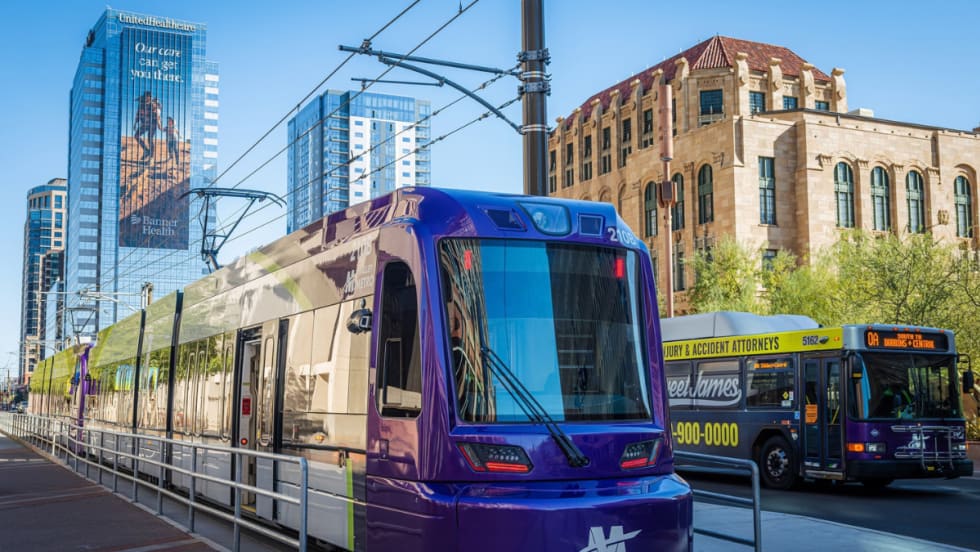
How Valley Metro Is Balancing Transit Growth With the Rider Experience
The APTA award-winning agency is pairing rapid system expansion with investments in workforce, safety, technology, and the fundamentals of transit service.
Read More →
Bus Tech Talk: Keeping Transit Technicians Ahead of the Technology Curve
In this episode of Bus Tech Talk, Complete Coach Works’ Business Development Manager Mark Hollenbeck and METRO’s Executive Editor Alex Roman sit down with Obed Mejia, Senior Technical Trainer for Bus Maintenance, at LA Metro to discuss how rapidly evolving bus technology is changing the maintenance shop — and the skills technicians need to keep pace.
Read More →