




Read More: OCTA Unveils $57B Transportation Plan
OCTA Moves Ahead with Rail Corridor, Train Safety Studies
The OCTA Board selected HDR Engineering Inc. as the firm to lead the South Coast Rail Infrastructure Feasibility Study and Alternative Concepts Analysis.
August 15, 2023

Two major landslides in the past year near the rail line in San Clemente forced the temporary closure of the track to passenger service for several months.
Photo: OCTA
3 min to read
The Orange County Transportation Authority (OCTA) announced it is moving forward on studying solutions to protect the coastal rail line that connects passengers, freight, and military assets from San Diego County to Orange County and destinations farther north.
The OCTA Board selected HDR Engineering Inc. as the firm to lead the South Coast Rail Infrastructure Feasibility Study and Alternative Concepts Analysis.
The study will bring together technical experts, public agency partners, and engage stakeholders to pinpoint the issues threatening the rail corridor and offer solutions to protect it.
Why OCTA is Conducting the Study
Two major landslides in the past year near the rail line in San Clemente forced the temporary closure of the track to passenger service for several months while OCTA and its partners worked on emergency projects to stabilize the track and protect it from falling debris.
The track through San Clemente reopened to all service in July and remains open, including to Metrolink regional rail and Amtrak Pacific Surfliner passengers.
Now OCTA is moving ahead with the first of two studies to seek longer-term solutions.
“We’ve seen just how important this rail line is – especially with the challenges of the last year – to the tens of thousands of passengers and the business owners and others who rely on steady train service,” said OCTA chairman Gene Hernandez. “Now that we’ve dealt with the emergencies that forced the track to temporarily close, we will continue to work with urgency with all our partners to ensure our tracks can remain open and reliable.”
Framework for Studies
In February, the OCTA Board approved the two-phase approach, with the first phase to examine short- to medium-term solutions, then a second-phase study that would look at longer-term solutions.
The approval to hire HDR to conduct the first study is an important step in that effort.
The goals of the Phase 1 study, which include the cities of Dana Point and San Clemente and unincorporated coastal regions of Orange and San Diego counties, include:
Developing options to protect coastal rail infrastructure in its current location
Gaining a more detailed understanding of climate effects on the rail line
Identifying potential solutions for beach erosion
Consulting with key stakeholders and agencies each step of the way
The study is expected to cost approximately $2 million, with grant funding already identified. Future costs for making the necessary improvements to ensure ongoing rail operations along the seven miles of the south Orange County coast would be identified through the study.
The goals of the Phase 2 study, which will look at longer-term options, include:
Partnering with LOSSAN, state and federal agencies
Developing options for protecting or potentially moving the rail line
Creating an action plan
Consulting and engaging residents and key stakeholders throughout the process
OCTA will partner with other agencies such as Metrolink, the LOSSAN Rail Corridor Agency, the California Coastal Commission, United States Army Corps of Engineers, and other stakeholders.
More Rail

CSA Group Releases Climate Resilience Standard for Transit, Passenger Rail
Developed with support from the Standards Council of Canada, CSA D700 guides assessing climate-related risks and planning adaptation measures for transit and passenger rail systems.
Read More →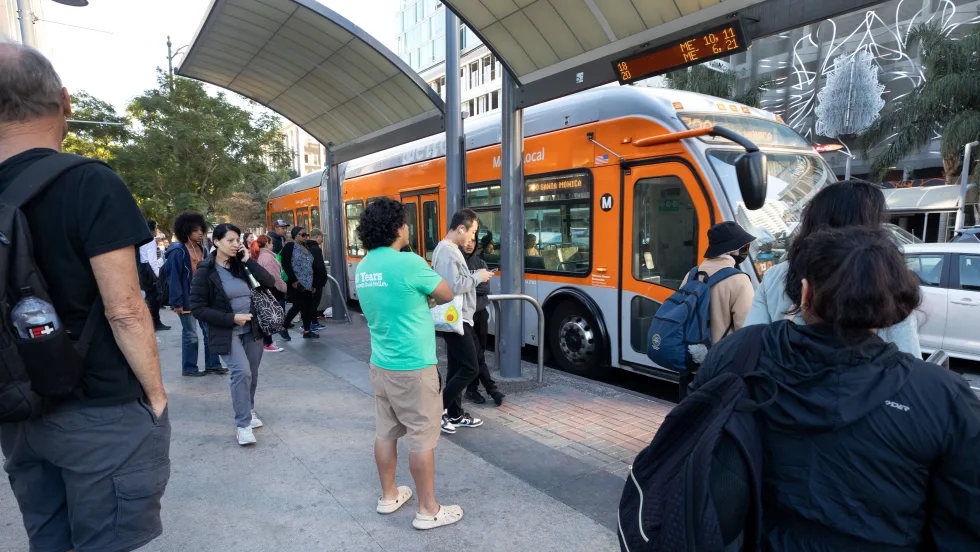
LA Metro September Ridership Climbs 3.9%, Led by Rail Growth
The agency recorded more than 27.2 million boardings, with rail ridership increasing 12.4% year over year and the D Line posting the largest gains.
Read More →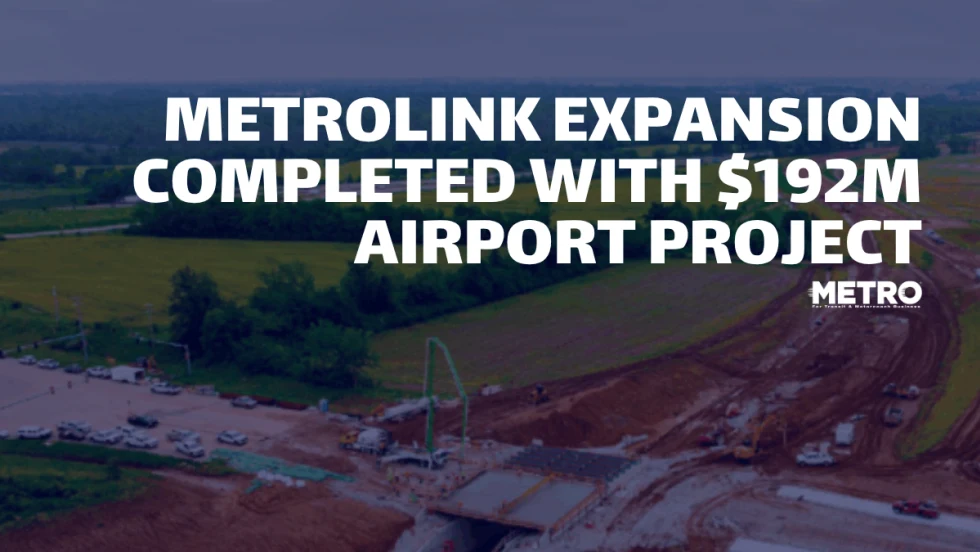
First Full MetroLink Rail Expansion Completed in 20 Years with $192M Airport Project
The project links two St. Louis-area airports by light rail while adding roadway and bike trail connections to improve regional access and mobility.
Read More →
Utilimarc Launches SmartReplace to Optimize Fleet Replacement Decisions
AI-powered SmartReplace helps fleets prioritize vehicle replacements, model budget scenarios, and build more defensible long-term strategies.
Read More →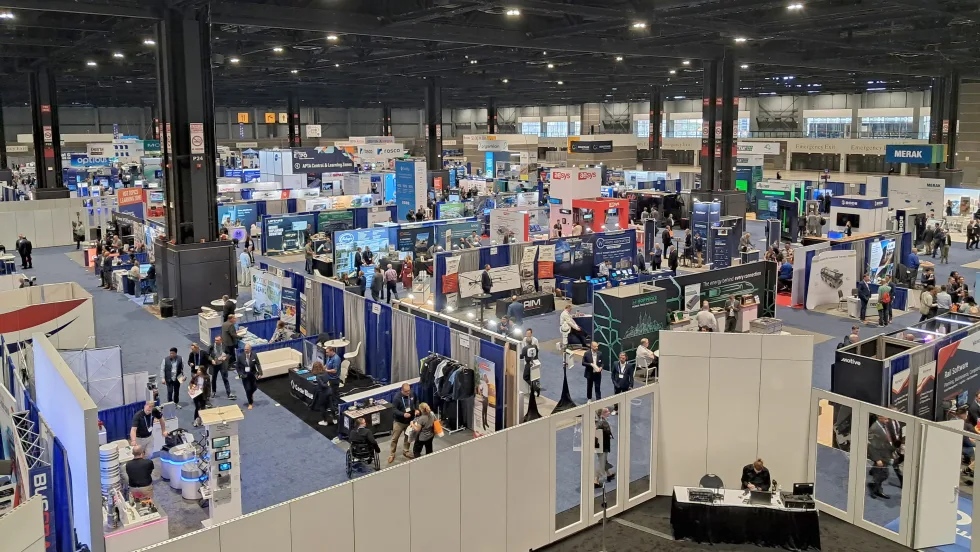
Scenes from APTA TRANSform & EXPO 2026
Transit leaders, manufacturers, and industry professionals gathered in Chicago to explore new technologies, share ideas, and discuss the future of public transportation.
Read More →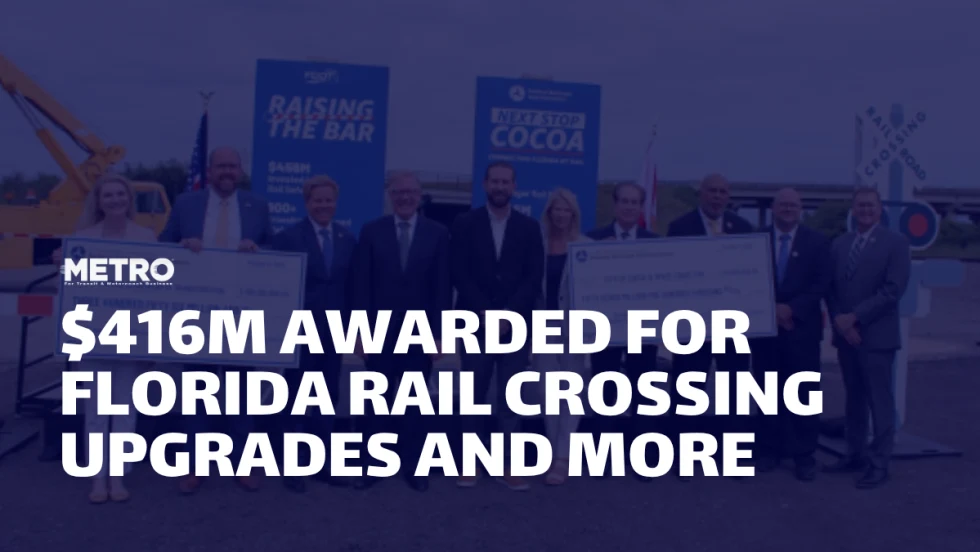
USDOT Awards $416 Million for Florida Rail Crossing Safety Upgrades, New Brightline Station
The projects aim to reduce risks for motorists and pedestrians at rail crossings while expanding passenger rail access along Florida’s Space Coast.
Read More →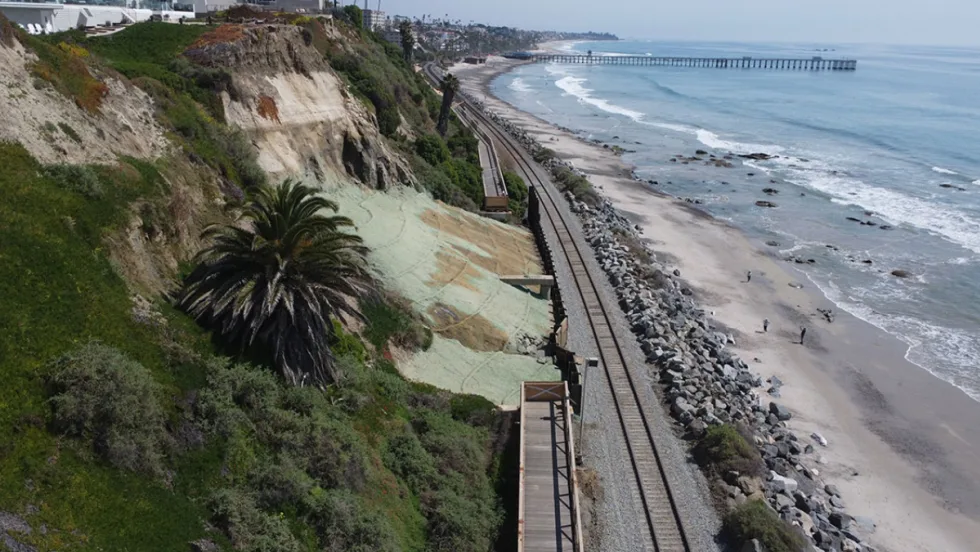
OCTA Declares Emergency to Protect Rail Corridor From Coastal Erosion
The California agency is accelerating shoreline protection and plans to place approximately 690,000 cubic yards of sand along the San Clemente coast to protect a key passenger and freight rail link.
Read More →
More Than a Summer Job: Building the Next Generation of Transit Talent
The Delaware River Port Authority and PATCO have transformed their internship program into a hands-on professional development experience that introduces students to the breadth of transportation careers — and creates a pipeline for future employees.
Read More →
Airo Trains Make Their Amtrak Cascades Debut in the Pacific Northwest
Effective immediately, two cutting-edge Airo trainsets will join the Amtrak Cascades route, operating four daily trips between Vancouver, B.C., Seattle, Portland, and Eugene, Oregon, marking the first introduction of Airo trains into passenger service anywhere in the country.
Read More →
Florida's Brightline Announces Financial Restructuring
Brightline Florida says train operations will continue as normal as certain parent entities enter Chapter 11 and financial stakeholders provide $490 million in new long-term capital.
Read More →