




RELATED: Getting Up to Speed on the FTA's New Safety Mandate
Ohio first to attain FTA State Safety Oversight certification
If a state fails to meet the deadline, the FTA is prohibited by federal law from obligating any funds to public transportation agencies throughout that state until certification is achieved.
August 30, 2017
3 min to read
The Federal Transit Administration (FTA) is again notifying the states where rail transit systems operate that federal law requires they establish an FTA-certified State Safety Oversight (SSO) Program by April 15, 2019. If a state fails to meet the deadline, the FTA is prohibited by federal law from obligating any funds to public transportation agencies throughout that state until certification is achieved.
There are 30 states required to obtain SSO Program certification, and this week, Ohio became the first state in the nation to complete the process and have its program certified, providing for the highest level of safety for their rail transit riders and workers.
“Certification is an important achievement by the state of Ohio and demonstrates that the Ohio SSO Program has the authority, resources, and expertise needed to oversee the rail transit systems in that state,” said FTA Deputy Administrator Jane Williams. “The certification deadline is now less than two years away and time is becoming critical for all affected states, especially those that still need state legislative action.”
States that fail to establish an FTA-certified SSO Program by the deadline are at risk of having all transit dollars withheld until compliance is met. The FTA is encouraging states to act quickly to enact any necessary legislation, statutes, and regulations, particularly those states whose legislatures meet only part-time or biennially. Currently, seven states still require state legislative or executive action prior to FTA certification (Illinois, Michigan, New Jersey, New York, Oklahoma, Puerto Rico, and Tennessee). By federal law, the April 15, 2019 deadline cannot be waived or extended.
To achieve FTA certification, an SSO Program must meet several federal statutory requirements, including that the SSO agency has financial and legal independence from the rail transit agencies it oversees. In addition, a state must ensure that its SSO agency adopts and enforces relevant federal and state safety laws, has investigatory authority, and has appropriate financial and human resources for the number, size, and complexity of the rail transit systems within its jurisdiction. Furthermore, SSO agency personnel responsible for performing safety oversight activities must have proper training and certification.
Technical Assistance Available for States
The FTA is committed to helping states meet the April 15, 2019 deadline and their federal statutory obligations to provide stronger and more effective state safety oversight rail transit systems. Since 2013, FTA has provided approximately $90 million in grant funds to all affected states to develop and implement an SSO Program that is compliant with federal requirements. Also, the FTA has provided a toolkit with guidance for managing the SSO Program certification process, and maintains frequent contact with states and SSO agencies to provide assistance.
In addition, the FTA has posted online a status table that shows each state’s progress toward certification and the approximate amount of federal transit funds the FTA would be prohibited from obligating should the state fail to achieve certification by the deadline.
By federal law, the April 15, 2019 deadline cannot be waived or extended. FTA strongly recommends that states submit their SSO Program certification applications as soon as possible. FTA is committed to working closely with states to fulfill their statutory responsibility; however, states should not assume that applications submitted after Sept. 30, 2018, will receive a decision on certification by the deadline. In some cases, the FTA may need to do onsite verifications, or states may need to correct and resubmit parts of their applications, all of which must be completed before the deadline.
The FTA SSO Program final rule took effect in April 2016, establishing a three-year period for states to obtain program certification.
More Security and Safety

Transit Agencies Highlight Safety Gains at National Summit
Leaders from 15 major transit systems shared crime-reduction results and safety initiatives while discussing the role of continued federal support.
Read More →
DART Launches Major Security, Fare Enforcement Initiative
The 90-day demonstration will deploy coordinated security teams at five light rail stations while testing controlled access and gathering data to guide future investments.
Read More →
RTD Launches NextRide App to Consolidate Trip Planning, Fares, Security Reporting
The app expands on RTD’s existing NextRide web application and allows customers to view real-time vehicle locations and service alerts, purchase and store digital fares, and access customer support.
Read More →
TAPTCO Updates OSHA Compliance Training for Transit Maintenance Operations
The revamped program addresses 26 OSHA standards for maintenance facilities, with TAPTCO pointing to training, documentation, and everyday shop hazards as continuing challenges for transit operations.
Read More →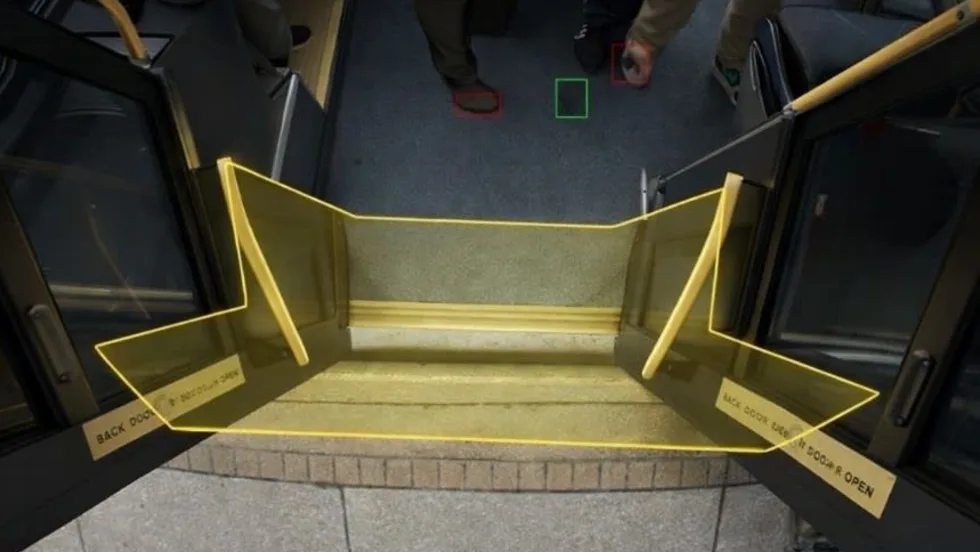
Sponsored•August 18, 2026
How VaporVision Adds Value to Transit Door Systems
Wabtec engineers explain how the system improves doorway detection, strengthens diagnostics and gives transit agencies and OEMs greater operating flexibility.
Read More →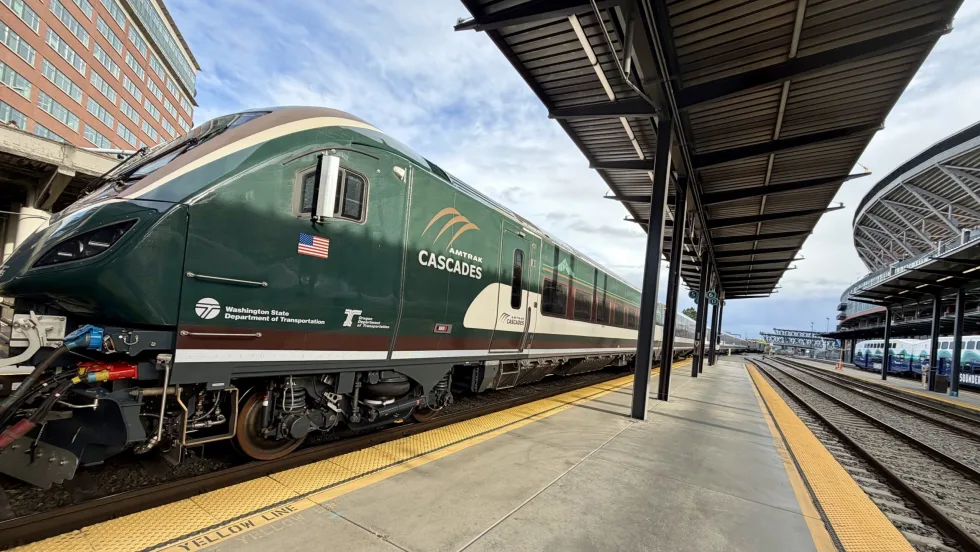
FRA Announces $5.3B in Rail Investments, Including $2B for Amtrak
Funding will support grade-crossing improvements, infrastructure upgrades, and new Amtrak equipment in 23 states.
Read More →
Chicago, Maryland Expand Non-Law-Enforcement Safety, Rider Support
The CTA and MTA are launching new programs aimed at de-escalation, crisis response, rider assistance, and greater transparency.
Read More →
LA Metro, City of West Hollywood, and Partners Advance Smarter Bus Lane Enforcement
The award-winning partnership combines AI-powered detection with human oversight to improve bus reliability, accessibility, and enforcement efficiency.
Read More →
LA Metro Reports 57% Decline in Homelessness on Transit System Since 2024
The agency's latest homelessness count offers new data on how care-based services and cross-sector partnerships can complement traditional transit security strategies.
Read More →
FTA Launches 'Transit Moves America' Dashboard to Highlight Agency Safety and Performance
The online dashboard transforms National Transit Database information into a public-facing resource that allows users to compare transit agencies on key operational and safety metrics.
Read More →