



Pace Delivers Vehicle, Funding to McHenry County
The new bus introduced to officials features Ford’s Driver Assist Technology Package and three-point seatbelts on all seats.
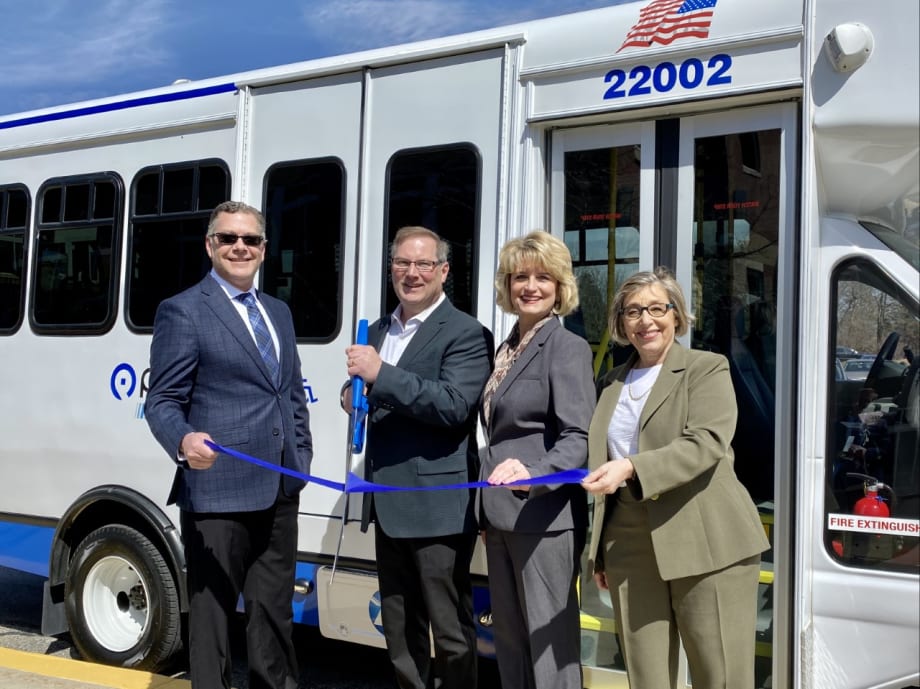
Officials celebrate the arrival of a new vehicle. From left to right: McHenry County Board Chairman Michael Buehler, Pace Chairman Rick Kwasneski, Pace Director Erin Smith, and Pace Executive Director Melinda Metzger.
Photo: Pace
Pace Suburban Bus announced it delivered a new, fully-accessible 28-foot bus to McHenry County for service on the county’s MCRide program, when officials met to discuss transit service in the county.
MCRide is a Dial-a-Ride service offered through a partnership between Pace and McHenry County that offers curb-to-curb service between any two points in the county.
“MCRide is a great way to get around our county,” said Erin Smith, Pace Director, who represents McHenry County on Pace’s Board. “Whether you need to go to work, to the store, to the doctor, or just out to have fun, it’s a useful option for everyone.”
The new bus introduced to officials during the meeting includes several safety features, including Ford’s Driver Assist Technology Package, three-point seatbelts on all seats, antimicrobial vinyl seats, and a barrier around the operator area.
Pace also provided McHenry County an additional $200,000 investment for 2022, representing the county’s share of $1,000,000 in transportation grants for the five suburban “collar counties” Pace serves. Pace also increased its contribution to all Dial-a-Ride programs by 15% for 2022.
“Pace values its partners in McHenry County, and we are confident these additional investments will help continue to make MCRide an even more integral part of our transportation network,” said Rick Kwasneski, Pace chairman.
More Bus
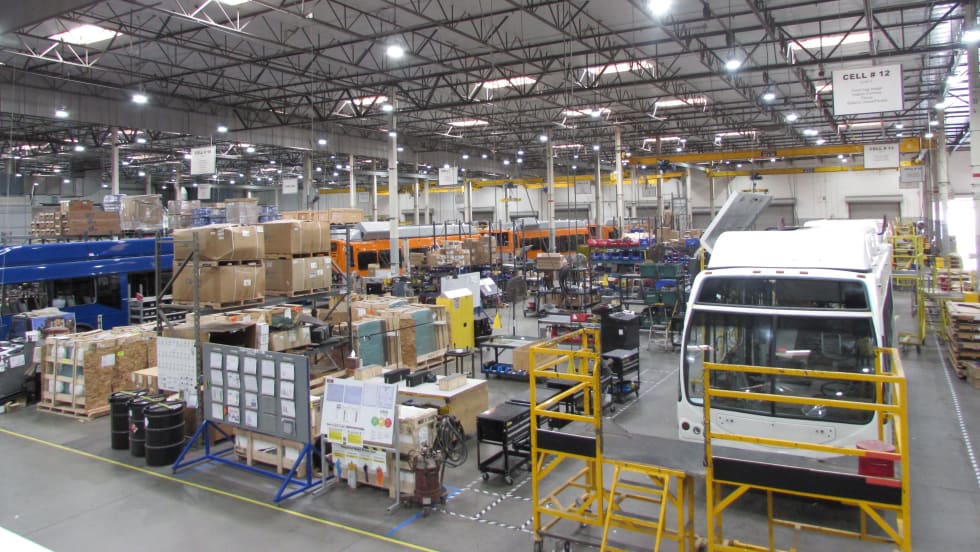
LA Metro Board Awards 220 Battery-Electric Bus Contract to ENC
The contract, which is the largest base award of battery-electric buses by a U.S. transit agency, will be built in Southern California, sustaining good jobs as LA prepares to welcome the world in 2028
Read More →
Public Transit Conference Returning to GFX in 2027, Call for Papers Now Open
The Call for Papers is now open, allowing transit agency professionals and industry experts to help shape the PTC educational program by submitting session ideas for consideration.
Read More →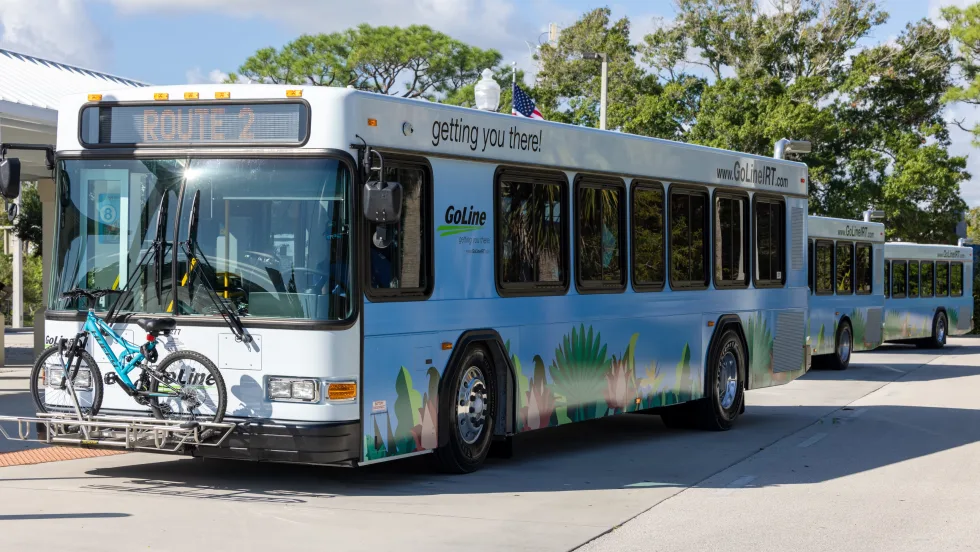
Indian River Transit’s Community-Focused Approach Earns National Recognition
Named APTA’s 2026 Outstanding Public Transportation System in its size category, Florida’s Indian River County transit system continues to grow ridership through fare-free service and a focus on evolving community needs.
Read More →
ENC Lands MATA Contract and More in Biz Briefs
In this edition of Biz Briefs, we spotlight the latest developments shaping the future of mobility.
Read More →
From Surviving to Thriving: Building Stronger Transportation Organizations
Bus Business Consultants founder Brian Dickson shares lessons on leadership, organizational health, and creating options for long-term success in a changing transportation industry.
Read More →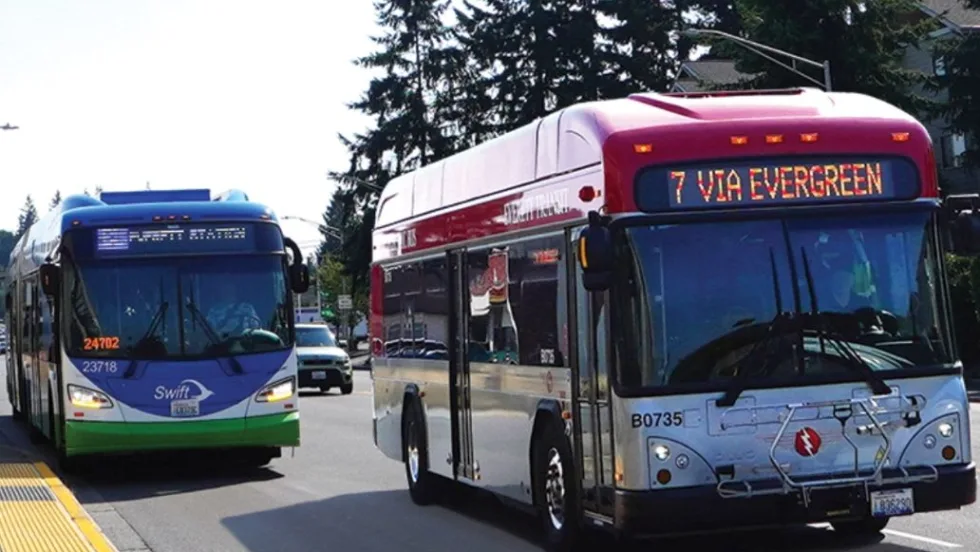
Everett Transit, Community Transit Outline Consolidation Agreement
The proposed agreement calls for a 50% increase in bus service in Everett, a new microtransit zone, continued paratransit service, and the transfer of Everett Transit operations to Community Transit.
Read More →
SEPTA Details Accelerate Vision for Transit System
The plan outlines investments in trolley modernization, new Metro and Regional Rail vehicles, accessible stations, and more frequent bus and rail service.
Read More →
Report: Transit Bus Manufacturing Supports 34,100 Jobs, $5.1B in GDP
The “Buses Mean Business” report examines the transit bus manufacturing industry’s economic footprint, supply chain, and rising demand for vehicle replacements.
Read More →
Biz Briefs: New Flyer Delivers in Columbus, Houston, Beep and Freebee Merge, and More
In this edition of Biz Briefs, we spotlight the latest developments shaping the future of mobility.
Read More →
People Movement: Dan Dipert Coaches Adds Third-Generation Leader, Keolis Names New Valley Metro VP/GM, and More
In this edition, we also cover recent appointments and announcements at the Wabtec, SilverRide, HNTB, and more, showcasing the individuals helping to shape the future of transportation.
Read More →