



Panel recommends 34 ways to improve MBTA safety for riders, staff
The process drew on 100 interviews, six focus groups, and extensive site visits throughout the MBTA system.

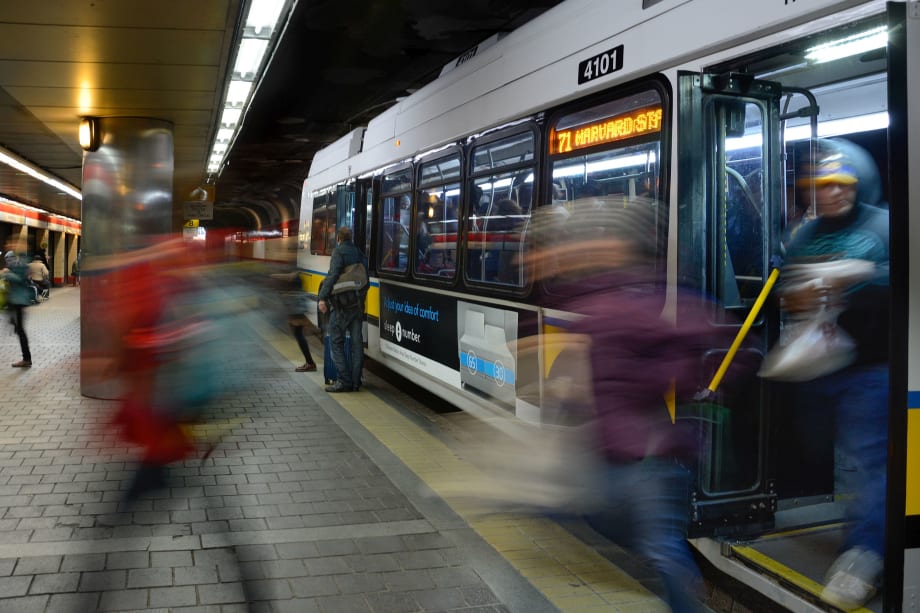
The panel found that the MBTA commuter rail operation, operated by private contractor Keolis, “does not face many of the challenges that were identified on the transit side of the house.”
MBTA
The panel found that the MBTA commuter rail operation, operated by private contractor Keolis, “does not face many of the challenges that were identified on the transit side of the house.”
MBTA
The Massachusetts Bay Transportation Authority (MBTA) and its Fiscal and Management Control Board (FMCB) accepted a report from the MBTA Safety Review Panel that offers 34 recommendations with 61 corrective actions to improve safety for MBTA riders and staff.
The panel, commissioned by the FMCB in June after a series of derailments and other safety incidents, comprises three nationally recognized experts in transit safety: former US Transportation Secretary Ray LaHood; former Federal Transit Administration Acting Administrator Carolyn Flowers; and former NYC Transit President Carmen Bianco.
“While the agency performs the necessary core functions to be considered a relatively safe system, many aspects of the T’s approach to safety and operations need immediate attention,” the report stated. “In almost every area we examined, deficiencies in policies, application of safety standards or industry best practices, and accountability were apparent.”
Drawing on 100 interviews, six focus groups, and extensive site visits throughout the MBTA system, the panel makes six major safety policy recommendations intended “to move the organization to a place where safety is a priority and is culturally integrated into every aspect of their mission.”
The recommendations include having the MBTA:
Establish safety objectives, safety performance targets, and safety performance indicators that are aligned with industry best practices, closely monitored, and provided with enough human capital and funding to be carried out.
Identify all areas where deferred maintenance is occurring.
Ensure enough resources are devoted to expediting implementation of data collection systems, particularly in the maintenance-of-way, training, and medical departments.
Consider adopting Federal Railroad Administration standards that now govern commuter rail operations for rapid transit as well, in order to provide standards and guidance for MBTA transit safety.
Build up the MBTA’s leadership team, including by adding more seasoned transit professionals with operations and safety expertise and experience.
Petition the Legislature to reduce the mandated 36-times-per-year frequency of FMCB meetings, or make meeting preparation less burdensome on staff, because the large time demands on senior staff to prepare for the board meetings divert attention from operations and safety.
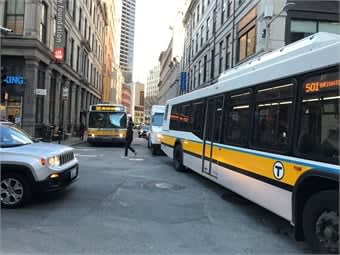
Along with all other U.S. transit systems, the MBTA is required by the Federal Transit Administration to have a written Safety Policy and Transit Safety Plan.
Janna Starcic
The panel’s report notes that the MBTA has had nine GMs since 2010 and states that this turnover “may be the overarching reason that we see the level of safety deficiency at the agency.”
Along with all other U.S. transit systems, the MBTA is required by the Federal Transit Administration to have a written Safety Policy and Transit Safety Plan, a precursor to a Safety Management System (SMS), certified by the Department of Public Utilities by July 20, 2020.
Defined as “a formal, top-down, organization-wide approach to managing safety risk and assuring the effectiveness of the agency’s safety risk mitigation,” SMS includes systematic procedures, practices, and policies for managing risks and hazards and promoting safety.
The panel found that the MBTA commuter rail operation, operated by private contractor Keolis, “does not face many of the challenges that were identified on the transit side of the house” because of the clear safety structure provided by FRA regulations.
To view the full report, click here.
More Security and Safety

Transit Agencies Highlight Safety Gains at National Summit
Leaders from 15 major transit systems shared crime-reduction results and safety initiatives while discussing the role of continued federal support.
Read More →
DART Launches Major Security, Fare Enforcement Initiative
The 90-day demonstration will deploy coordinated security teams at five light rail stations while testing controlled access and gathering data to guide future investments.
Read More →
RTD Launches NextRide App to Consolidate Trip Planning, Fares, Security Reporting
The app expands on RTD’s existing NextRide web application and allows customers to view real-time vehicle locations and service alerts, purchase and store digital fares, and access customer support.
Read More →

TAPTCO Updates OSHA Compliance Training for Transit Maintenance Operations
The revamped program addresses 26 OSHA standards for maintenance facilities, with TAPTCO pointing to training, documentation, and everyday shop hazards as continuing challenges for transit operations.
Read More →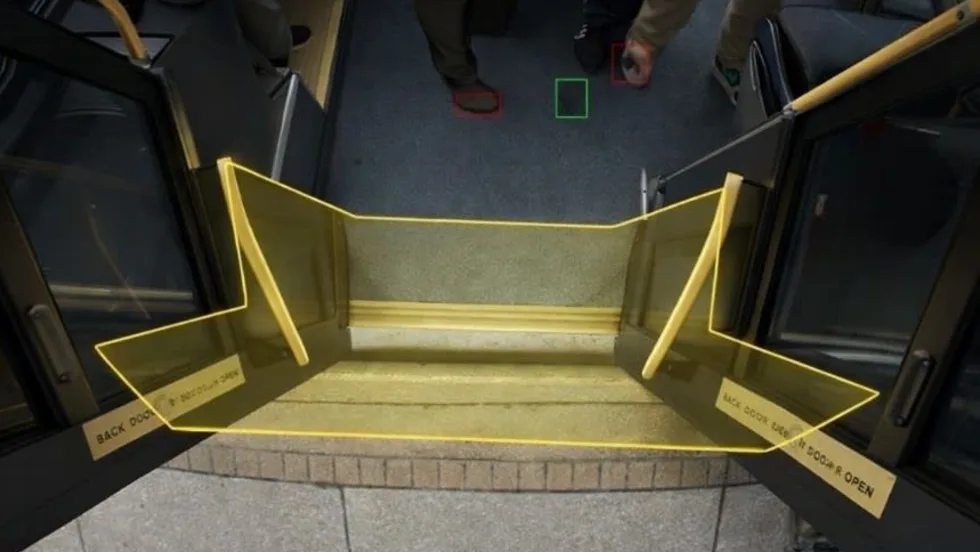
How VaporVision Adds Value to Transit Door Systems
Wabtec engineers explain how the system improves doorway detection, strengthens diagnostics and gives transit agencies and OEMs greater operating flexibility.
Read More →
FRA Announces $5.3B in Rail Investments, Including $2B for Amtrak
Funding will support grade-crossing improvements, infrastructure upgrades, and new Amtrak equipment in 23 states.
Read More →
Chicago, Maryland Expand Non-Law-Enforcement Safety, Rider Support
The CTA and MTA are launching new programs aimed at de-escalation, crisis response, rider assistance, and greater transparency.
Read More →
LA Metro, City of West Hollywood, and Partners Advance Smarter Bus Lane Enforcement
The award-winning partnership combines AI-powered detection with human oversight to improve bus reliability, accessibility, and enforcement efficiency.
Read More →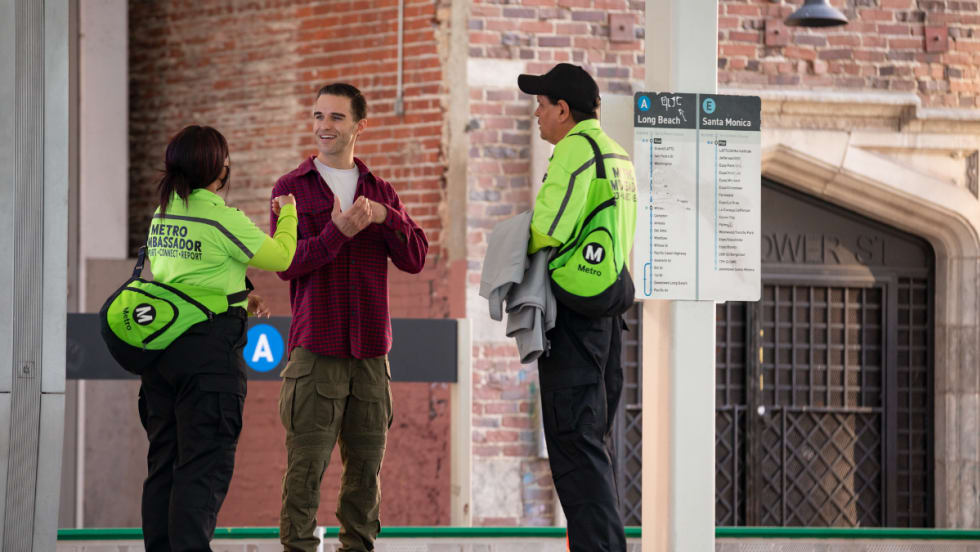
LA Metro Reports 57% Decline in Homelessness on Transit System Since 2024
The agency's latest homelessness count offers new data on how care-based services and cross-sector partnerships can complement traditional transit security strategies.
Read More →
FTA Launches 'Transit Moves America' Dashboard to Highlight Agency Safety and Performance
The online dashboard transforms National Transit Database information into a public-facing resource that allows users to compare transit agencies on key operational and safety metrics.
Read More →