



Partners, tech keys to record Madison Metro year
Recognized as APTA’s Outstanding Public Transportation System Award for an agency with more than four million, fewer than 20 million passenger trips annually, in part due to its partners and employees, according to GM Chuck Kamp.

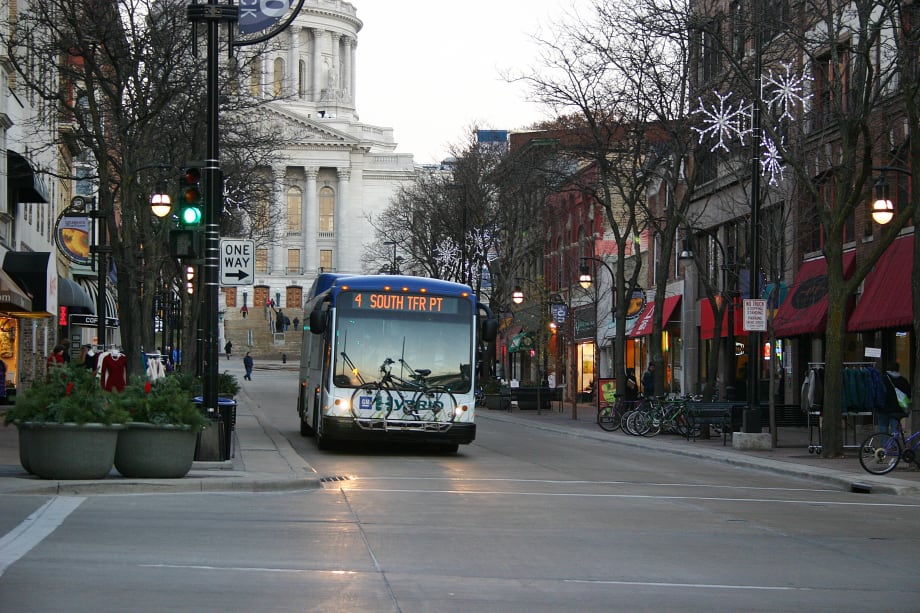

Growing ridership by 1.3 million rides in 2011, Madison, Wis.-based Metro Transit shattered a 40-year ridership record by falling just short of 15 million rides.
“We think we’ll hit 15 million this year, but we hit 14.9 million rides last year,” explained Chuck Kamp, GM for Metro Transit. “It was not only the highest ridership in the last 40 years, but we’ve tried to go back to records we don’t have accurate numbers of and we beat all of those past years that we were able to find, including in 1952, when there was a fare increase and ridership was at 12 million.”
Kamp said that Metro Transit will receive APTA’s Outstanding Public Transportation System Award for an agency with more than four million, fewer than 20 million passenger trips annually, in part due to its partners and employees.
“The political, community and academic leadership in Madison were the backbone for this happening, as well as our employees at Metro who drive every day in challenging situations,” he said. “While it’s great to have lots of pedestrians and bicyclists, it’s also a big challenge. Our drivers, mechanics and customer service staff helped people figure out our system and delivered safety, day in and day out, last year, as well as in previous years.”
Kamp also attributes Metro’s success to being in a college town, citing a couple of well-publicized studies reporting that the so-called “Generation Y” is both delaying getting their driver’s license as well as shrinking the amount of vehicle miles traveled, overall.
“There is just a growing awareness, and we have to be careful of how we use our land, our limited fuel and other scarce resources. I think young people get that,” he said.
With that, Metro is also making it easier to travel on its system through the use of Google Maps and a smartphone app, which help riders get to and from their stops and find out where their bus is.
“Now, if you’re a student drinking coffee at a coffee shop and it’s raining, and you see that your bus is late by 10 minutes, you don’t need to leave the coffee shop,” said Kamp. “You can sit there drinking coffee, monitoring your smartphone, and then, leave right before your bus arrives. That is huge.”
More Bus

From Surviving to Thriving: Building Stronger Transportation Organizations
Bus Business Consultants founder Brian Dickson shares lessons on leadership, organizational health, and creating options for long-term success in a changing transportation industry.
Read More →
Finding the ‘Happy Medium’: Optimizing Maintenance Without Sacrificing Reliability
The key to maintenance optimization isn’t doing less work—it’s doing the right work at the right time on the right assets.
Read More →
LA Metro, City of West Hollywood, and Partners Advance Smarter Bus Lane Enforcement
The award-winning partnership combines AI-powered detection with human oversight to improve bus reliability, accessibility, and enforcement efficiency.
Read More →
PSTA Modernizes Workforce Management with Digital Bidding System
The award-winning Workforce Transit Modernization project replaced paper bidding with a transparent digital platform, cutting administrative effort while improving access for operators.
Read More →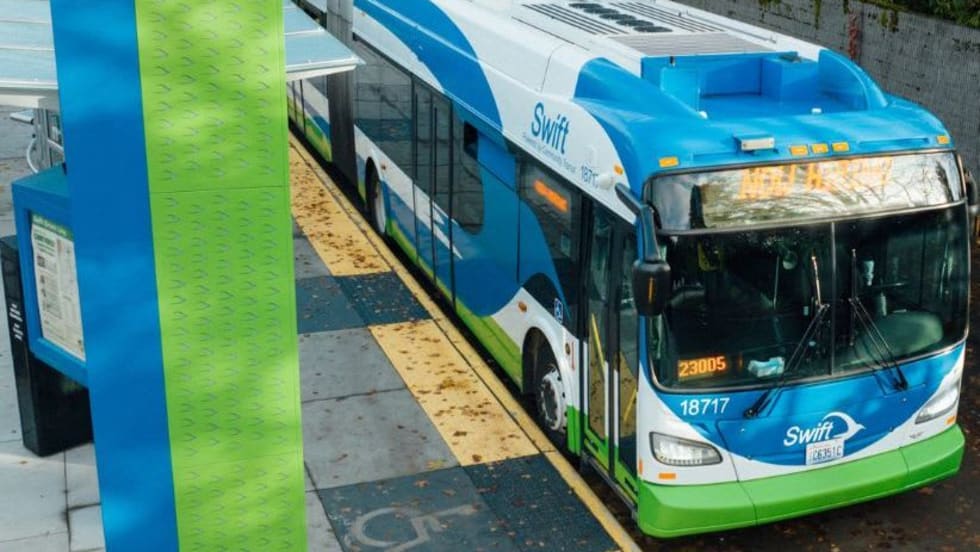
Washington's Community Transit Sets Six-Year Roadmap for Growth, Expansion
Approved TDP targets more bus service, new mobility options, Swift BRT expansion, and a potential Everett Transit annexation.
Read More →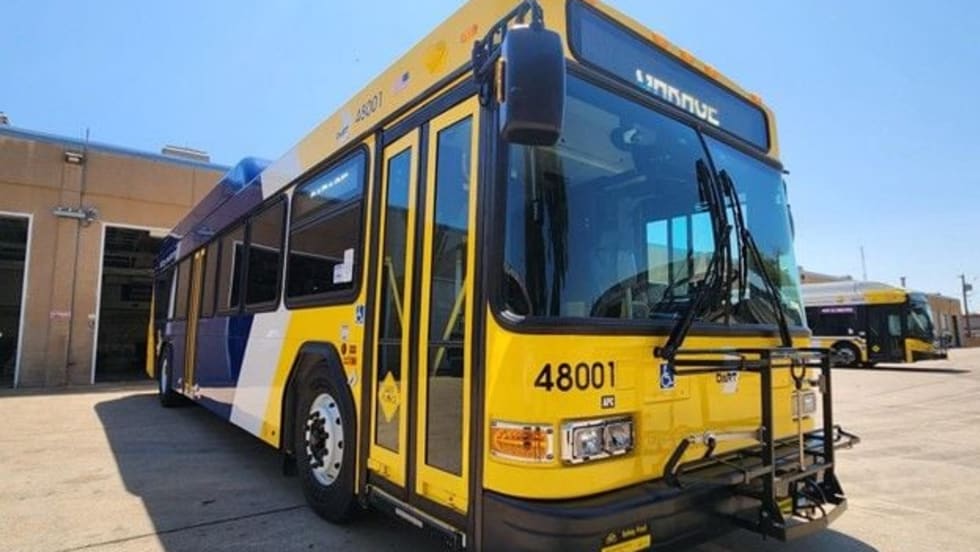
DART Customer Satisfaction Reaches Six-Year High
Overall satisfaction rose to 74.9%, while the agency’s Net Promoter Score reached a record 33.7.
Read More →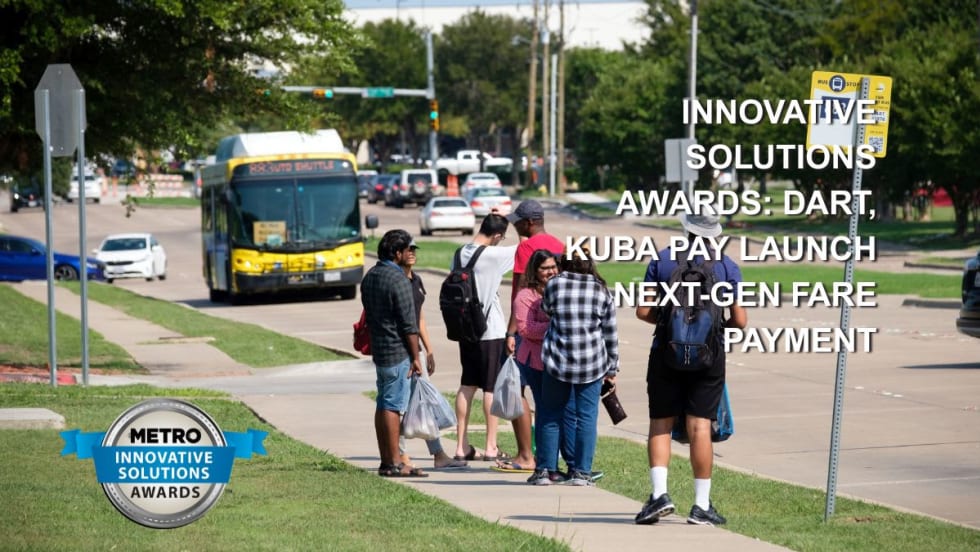
How DART's GoPass Is Redefining Regional Mobility
Serving 14 transit agencies, GoPass simplifies multimodal travel by allowing riders to plan, pay for, and manage an entire trip through one app.
Read More →
Biz Briefs: OCTA Taps Clean Energy for Hydrogen Station, Stadler to Supply Via Rail Vehicles, and More
From manufacturers and suppliers to transit agencies and motorcoach operators, these updates offer a snapshot of the projects, partnerships and business moves driving the industry forward.
Read More →
METRO Magazine Announces 2026 Innovative Solutions Awards Winners
Projects Recognized for Advancing Mobility Through Technology, Accessibility, Workforce Innovation, and Operational Excellence
Read More →
Biz Briefs: STV teams with Amtrak, Motorcoach Operators Boost Fleet and Land Contracts, and More
From manufacturers and suppliers to transit agencies and motorcoach operators, these updates offer a snapshot of the projects, partnerships and business moves driving the industry forward.
Read More →