



Peoria, Ariz., to launch first/last-mile pilot with Beep, NAVYA
The pilot program, using an autonomous shuttle, will capture ridership adoption behaviors and patterns to determine what solutions are best.

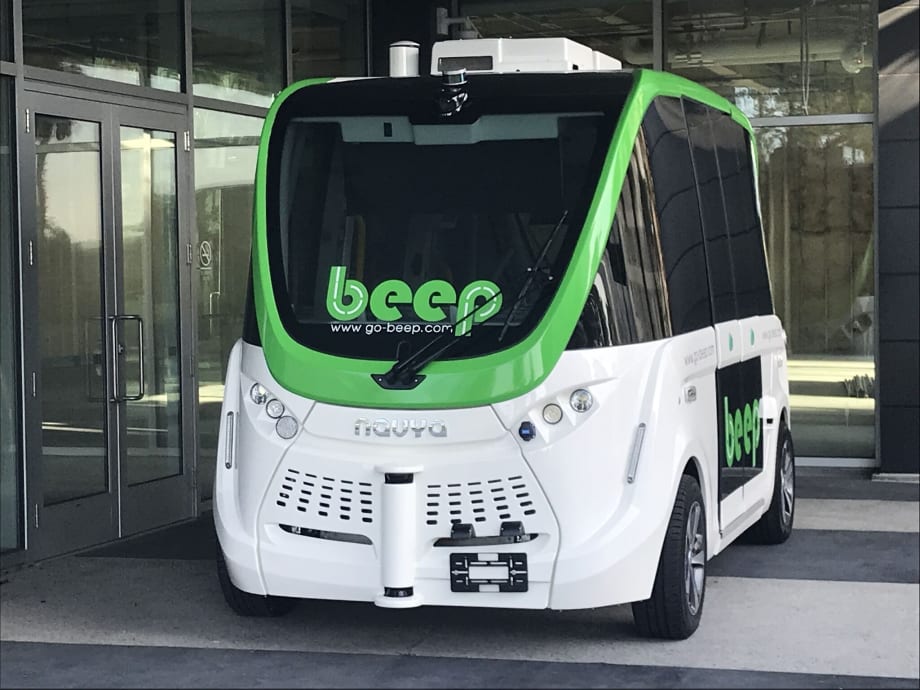
The objective of the pilot program is to understand the feasibility of using autonomous vehicles for the first and last mile.

Peoria, Ariz.’s city council approved the funding for a 60-day NAVYA autonomous vehicle pilot program with Beep, a Florida-based autonomous mobility solutions company.
“We see this as an important step as we seek to understand some of the innovative solutions that exist around the world, and how they bring value to Peoria residents,” said Mayor Cathy Carlat.
The fully electric, driverless shuttle is set to launch Feb. 22, and will operate daily from noon to 6 p.m. in the region’s P83 Entertainment District. The shuttle, which has no steering wheel or pedals, will use a pre-programmed, fixed-route with a combination of localization techniques, involving high-powered censors and cameras. It is open to the public without an appointment, fee, or pre-screening.
Additionally, the shuttle is ADA accessible and always has an attendant onboard to ensure riders have a safe experience. The Beep Command Center can also communicate with the onboard shuttle attendant at any time. The shuttle holds up to 10 passengers at a time and will operate at a maximum speed of 15 mph as part of the pilot program.

The objective of the pilot program is to understand the feasibility of using autonomous vehicles for the first and last mile. The pilot program will also capture ridership adoption behaviors and patterns in Peoria, as well as provide an opportunity for the city of Peoria to learn what transportation solutions are the best fit for the community alongside current transportation options.
Currently, NAVYA operates in 20 countries. Most recently, Beep partnered with NAVYA to deploy the first autonomous shuttles in Lake Nona, Fla.
More New Mobility
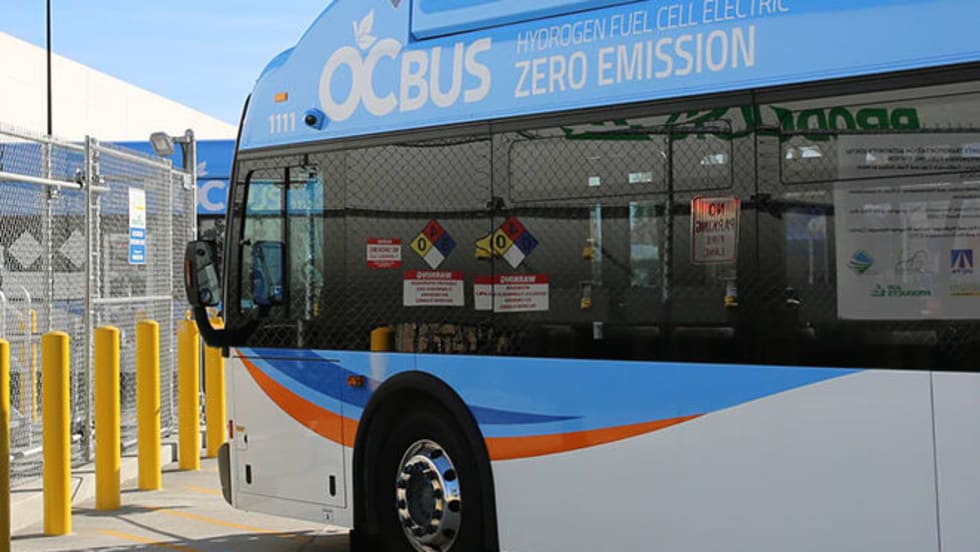
Biz Briefs: OCTA Taps Clean Energy for Hydrogen Station, Stadler to Supply Via Rail Vehicles, and More
From manufacturers and suppliers to transit agencies and motorcoach operators, these updates offer a snapshot of the projects, partnerships and business moves driving the industry forward.
Read More →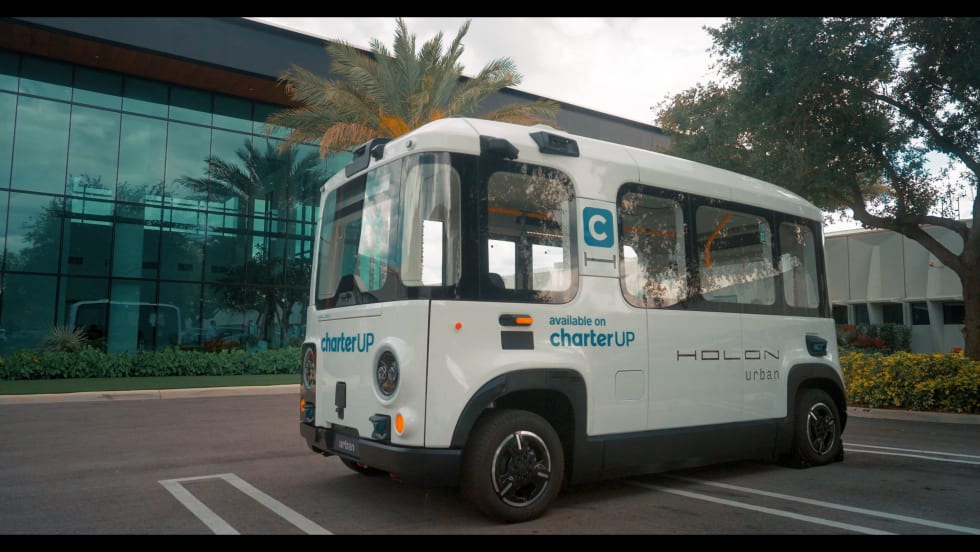
CharterUP Expands Into New Mobility and Autonomous Transportation
Vice President of New Mobility Stephen Joos discusses how CharterUP is leveraging its nationwide transportation network, technology platform, and autonomous vehicle partnerships to expand into workforce mobility, campus shuttles, and transit solutions.
Read More →
METRO Magazine Announces 2026 Innovative Solutions Awards Winners
Projects Recognized for Advancing Mobility Through Technology, Accessibility, Workforce Innovation, and Operational Excellence
Read More →
Biz Briefs: STV teams with Amtrak, Motorcoach Operators Boost Fleet and Land Contracts, and More
From manufacturers and suppliers to transit agencies and motorcoach operators, these updates offer a snapshot of the projects, partnerships and business moves driving the industry forward.
Read More →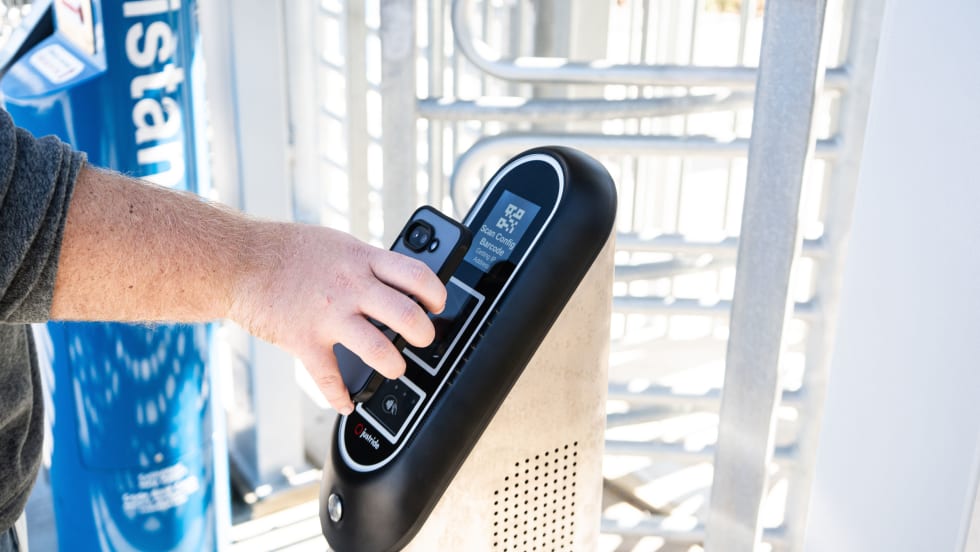
Biz Briefs: Masabi Teams with St. Louis Metro and More
In METRO's latest installment, we take a look at recent news from Transdev, Hitachi, and more partnerships making headlines across the transportation sector.
Read More →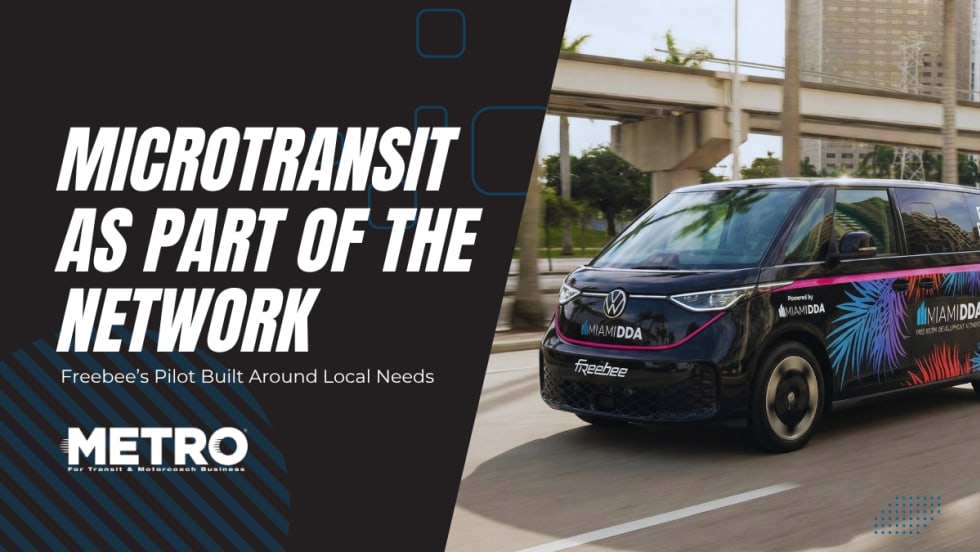
Microtransit's Next Test: Becoming Part of the Network
Freebee shows how electric microtransit is moving beyond pilots to fill network gaps, connect riders to transit, and prove lasting value.
Read More →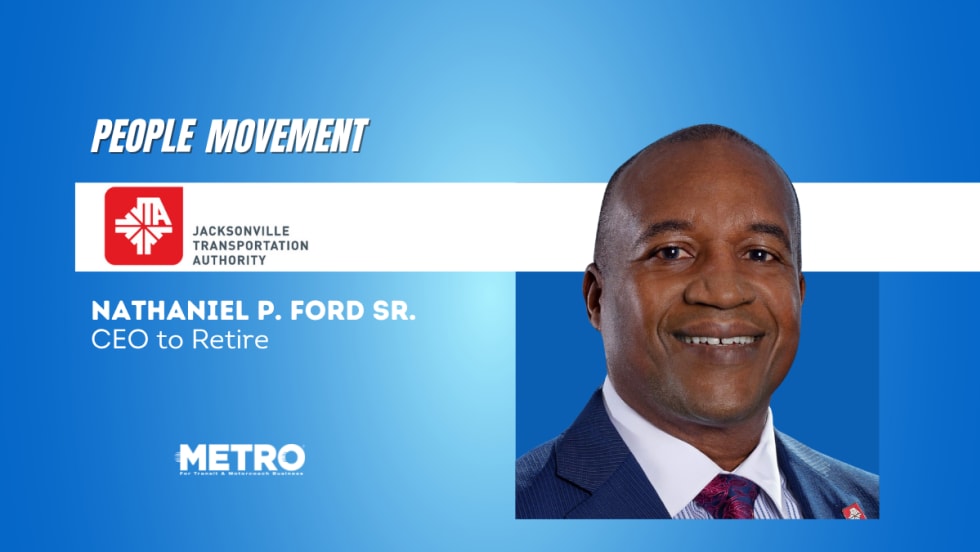
Ford to Leave JTA After More Than 10 Years as CEO
He plans to continue his work advancing innovative mobility solutions to improve the quality of life in communities across the nation. He did not announce specific plans.
Read More →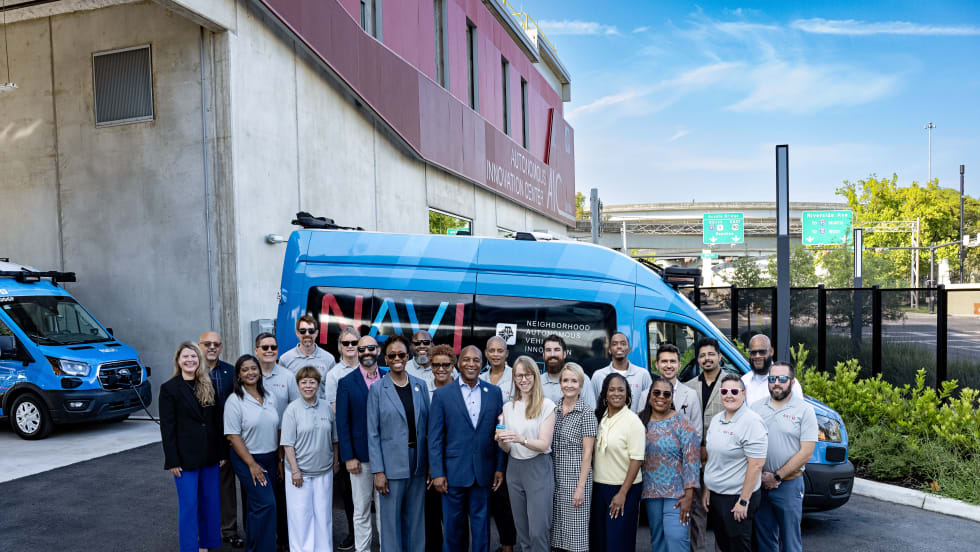
Florida's JTA Marks One Year NAVI Anniversary
During its first year of operation, NAVI has transported over 15,200 passengers and traveled more than 61,000 miles in autonomous mode without a safety incident caused by the autonomous driving system.
Read More →
SEPTA Board Approves FY2027 Budget Amid Funding Challenges
The spending plan represents an increase of just 1.9% over the current year and includes investments in new buses, additional full-length fare gates, and other customer enhancements.
Read More →
Biz Briefs: Endera Delivers to California, Safety Vision Teams with San Antonio's VIA, and More
From manufacturers and suppliers to transit agencies and motorcoach operators, these updates offer a snapshot of the projects, partnerships and business moves driving the industry forward.
Read More →