




More News: California's SacRT Launching Contactless Fare Payment Option
Florida's PSTA Approves 'Clear, Consistent, and Connected' Bus Network
The Pinellas-Suncoast Transit Authority has approved a new Connected Community Bus Network, designed with feedback from the community in mind to create a clearer, more consistent, and connected bus network.
March 31, 2025
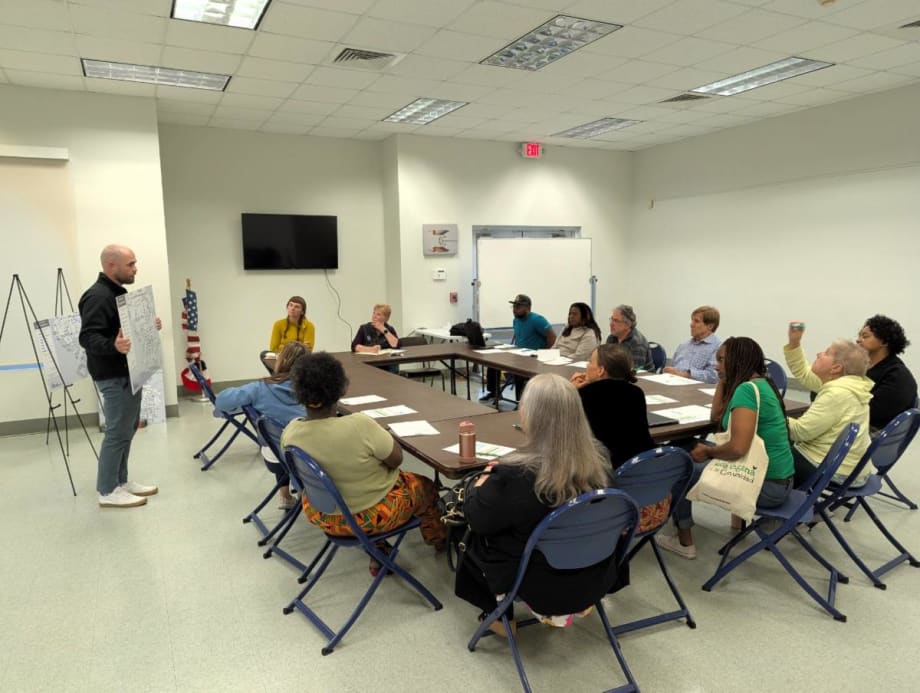
The PSTA recently approved its Connected Community Bus Network, which will see several community-driven improvements made to the area's bus service.
Photo: PSTA
2 min to read
Pinellas County Florida’s bus network is being updated to be more clear, consistent, and connected through the recently announced Connected Community Bus Network.
Engaging the Community
Pinellas-Suncoast Transit Authority (PSTA) announced the network as one of its largest community engagement efforts. Planners received thousands of community responses to guide them as they updated the county’s bus schedules and routes.
The goals of the network refresh are to create clear and easy-to-understand route schedules, consistent service on nearly all routes seven days a week, and connected routes that function as a network to improve transfers.
Due to the nature of these upgrades, they are cost-neutral, allowing taxpayers and the agency to continue at their current rates.
“For close to two years, we’ve been reaching out to our riders, our operators, and stakeholders across Pinellas County. How can we keep delivering great service, while improving what we do?” said PSTA CEO Brad Miller. “We heard that our bus network needs to be clearer, more consistent, and better connected. That’s what we presented today, thanks to a tremendous amount of feedback and work.”
PSTA gave over 30 public presentations at community and government meetings and over 30 popup community events as part of their community engagement efforts.
The company also received over 1,500 survey responses and held over 1,500 in-person conversations at events, on buses, and at bus terminals. An advertising campaign also generated more than 11,000 views in PSTA’s official trip planning app.
“This was truly a cross-agency and community-driven effort. We’ve spoken to our union operators who drive the routes every day, our riders who use our services every day, and the community at large who are interested and invested in PSTA service,” said PSTA Planning Manager Jacob Labutka, who serves as project manager for the Connected Community Bus Network. “Now we’ll return to those groups as well as our Scheduling, Operations, Facilities, and Communications teams to begin the hard work ahead of implementation this fall.”
Improving the Service
With all of the public input, the Connected Community Bus Network was designed to include improvements such as:
More weekend service options, with more consistent scheduling seven days a week
Decreased travel time with better-synchronized transfers between routes
Capitalizing on premium core routes and creating variants on key routes to ensure that service reaches both new and existing riders
Addressing tourist transportation demand
The network redesign was part of PSTA’s community bus plan exercise, which is completed every five years to assess service.
PSTA will dedicate the coming spring and summer to detailed planning and educating the public about the changes, with implementation coming this fall.
More Bus

New York MTA Plans Largest Bus Fleet Upgrade in More Than a Decade
The agency is seeking manufacturers for 650 new CNG buses to replace aging vehicles, improve reliability, and advance its broader fleet modernization strategy.
Read More →
Building a Flexible Path to Transit Electrification
John Hroncich discusses BAE Systems’ modular and scalable approach, lessons learned from decades of real-world operations, and how agencies can identify electrification strategies that fit their fleets.
Read More →
Bus Tech Talk: Keeping Transit Technicians Ahead of the Technology Curve
LA Metro’s Obed Mejia discusses technician training, evolving maintenance technology, fleet replacement, and strategies for getting the most out of today’s transit fleets.
Read More →
Biz Briefs: RIPTA Unveils New Frontrunners, Clevland RTA Adds New Siemens, and More
In METRO's latest installment, we take a look at recent news from Siemens, Prevost, Dodge, and more partnerships making headlines across the transportation sector.
Read More →
People Movement: Holly Arnold Joins Transdev and More
In this edition, we also cover recent appointments and announcements at Pace, CamTran, MCI, and more, showcasing the individuals helping to shape the future of transportation.
Read More →
The High Cost of Transit Buses: Industry Leaders Look to Procurement Reform
Transit leaders and policymakers examine how standardized bus designs, streamlined procurement, and predictable funding could help agencies stretch budgets and deliver better service.
Read More →
The Business Voice Behind Public Transportation
As chair of APTA’s Business Members Board of Governors, Ray Melleady explains how more than 850 business members are partnering with transit agencies to advance funding, innovation, and industry-wide collaboration.
Read More →
From Surviving to Thriving: Building Stronger Transportation Organizations
Bus Business Consultants founder Brian Dickson shares lessons on leadership, organizational health, and creating options for long-term success in a changing transportation industry.
Read More →
Finding the ‘Happy Medium’: Optimizing Maintenance Without Sacrificing Reliability
The key to maintenance optimization isn’t doing less work—it’s doing the right work at the right time on the right assets.
Read More →
LA Metro, City of West Hollywood, and Partners Advance Smarter Bus Lane Enforcement
The award-winning partnership combines AI-powered detection with human oversight to improve bus reliability, accessibility, and enforcement efficiency.
Read More →