



Princeton launches new campus transit system
The upgrade of the bus system is part of Princeton’s Sustainability Plan and is expected to help reduce by 10 percent the number of students, faculty and staff commuting to campus by car by 2020.

Princeton University in New Jersey last week launched an extensively modified campus bus system that covers more routes, offers extended hours and features more sheltered bus stops. The system also features a new contractor, First Transit, which signed a five-year contract with the university.
Although some complaints have been lodged about bus drivers still needing to become familiar with the routes, Kim Jackson, director of Parking and Transportation Services, said the launch has been “very well received by the university community.”
Many of the changes in the bus program are geared to meet the needs of graduate students. The new TigerTransit system replaces three lines with five routes that include coverage of an off-campus graduate housing facility that had petitioned for shuttle bus service.
Jackson said the university now operates 13 buses and one 14-passenger van during the day and three 14-passenger vans during late-night service.
Although currently operating diesel buses, the shuttle program will phase in a new fleet of 30-foot low-floor buses that run on B20 biodiesel fuel and are equipped with bike racks and GPS tracking. The new buses are expected to be in service by the fall of 2009.
The upgrade of the bus system is part of Princeton’s Sustainability Plan and is expected to help reduce by 10 percent the number of students, faculty and staff commuting to campus by car by 2020.
Other features of the new bus program include better connections with New Jersey Transit and other local transportation providers, enhanced service to local shopping centers and an improved on-demand service.
More Bus

Executive Order Aims to Improve Transit Access Across California
The order directs state agencies to streamline transit project delivery, improve coordination, and expand access to bus and passenger rail services across California.
Read More →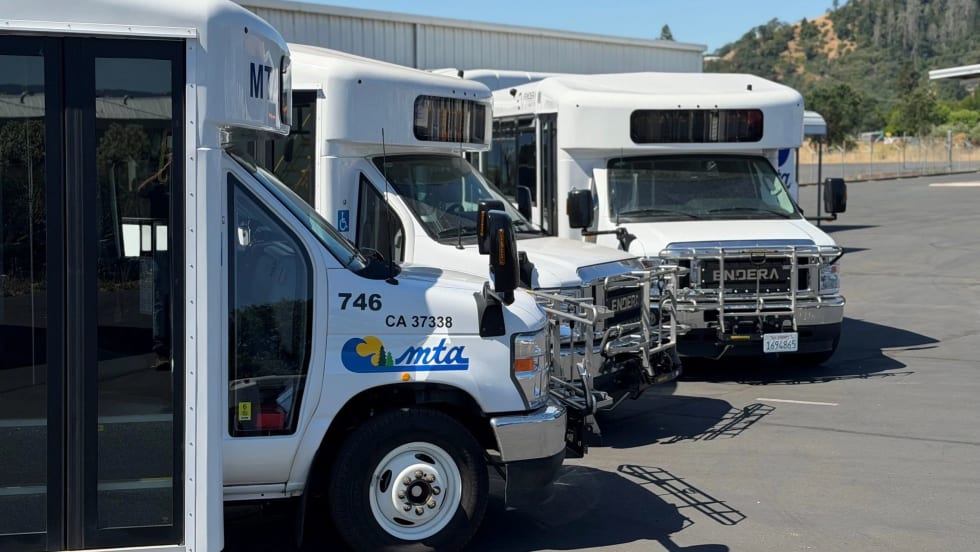
Biz Briefs: Endera Delivers to California, Safety Vision Teams with San Antonio's VIA, and More
From manufacturers and suppliers to transit agencies and motorcoach operators, these updates offer a snapshot of the projects, partnerships and business moves driving the industry forward.
Read More →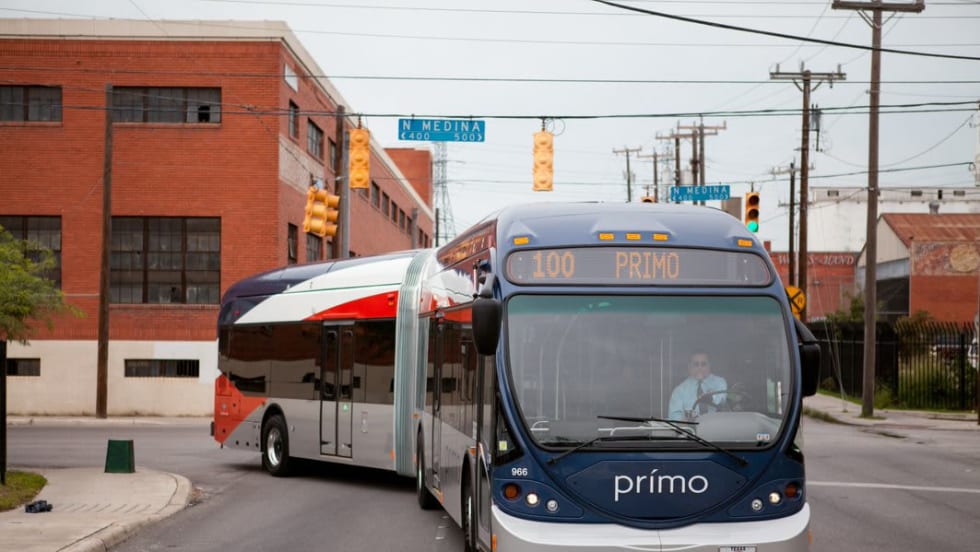
VIA's Silver Line Clears Environmental Review, Advances Toward Construction
The VIA Rapid Green Line is currently under construction, with service expected to begin in April 2028.
Read More →
Modernizing Mobility with CharterUP CEO Armir Harris
From digital transformation to evolving customer demands, CharterUP's Armir Harris offers his perspective on the transportation industry's next chapter.
Read More →
CTTC Enhances Transit Workforce Pipeline Through New Partnerships and Leadership
The group's latest initiatives focus on developing talent, expanding training opportunities and addressing workforce needs across the transit sector.
Read More →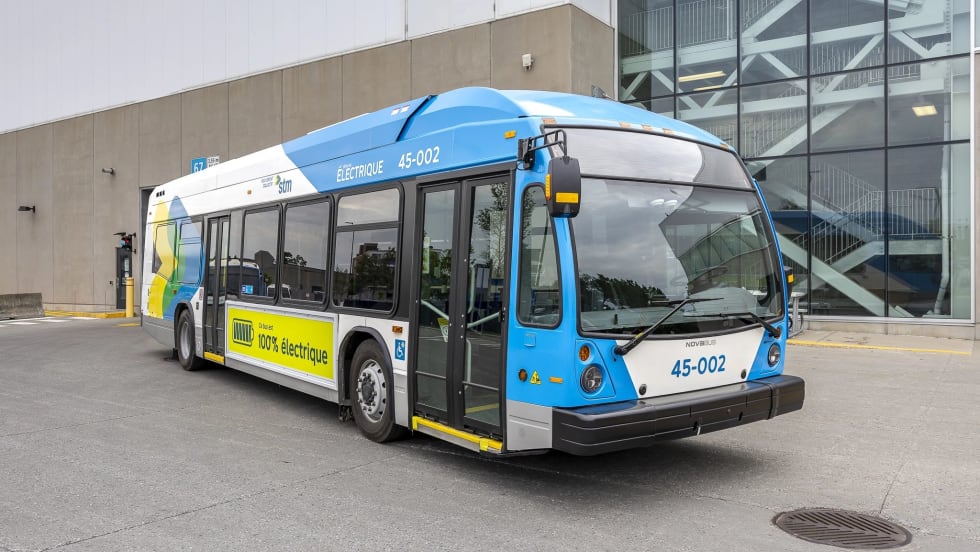
Biz Briefs: Montréal Debuts Nova Electric Buses and More
In this edition of Biz Briefs, we spotlight the latest developments shaping the future of mobility.
Read More →
The Hidden Cost of Fuel Data Inaccuracy in Public Transit Fleets
In today's transit environment, accurate fuel and mileage data are critical to reducing costs, minimizing downtime, and improving fleet performance.
Read More →
Virginia's $28.5B Transportation Plan Targets Transit and Rail
Approved by the Commonwealth Transportation Board, the program supports ongoing infrastructure projects while providing new investments in transit, state of good repair and transportation alternatives.
Read More →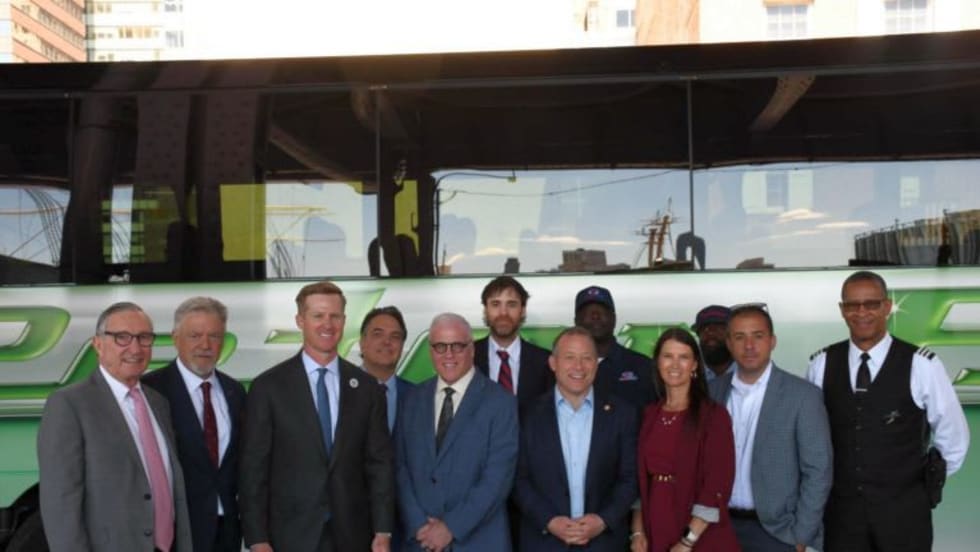
Bipartisan BUSES Act Seeks Changes to New York City's Bus Idling Enforcement Program
Backed by motorcoach operators, the legislation seeks to balance emissions goals with passenger safety by allowing limited idling for inspections, accessibility needs and extreme weather conditions.
Read More →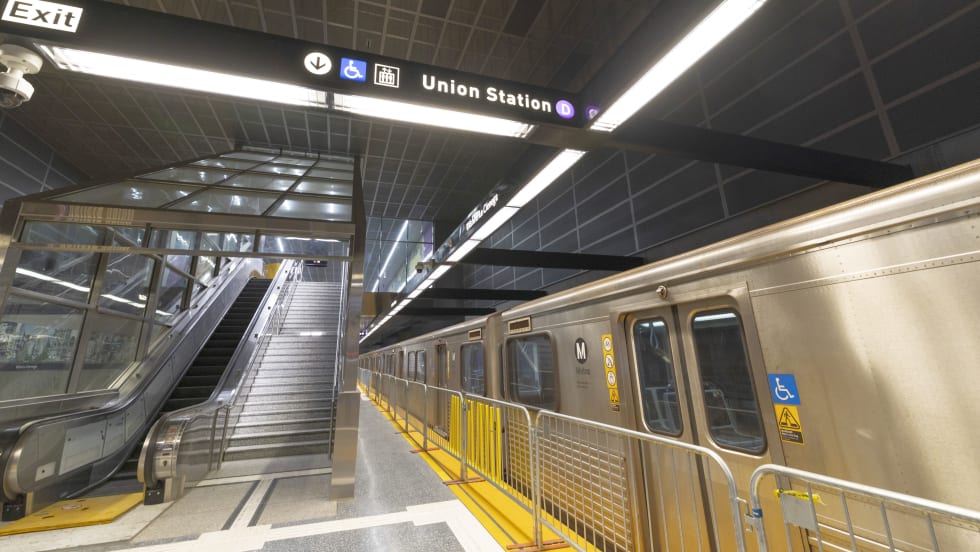
D Line Expansion Fuels Growth Across LA Metro's Rail System
Weekend rail ridership was especially strong, soaring 18% as riders embraced expanded access to jobs, entertainment, dining, and cultural destinations, said the agency. Total system ridership for May, including bus and rail, was 26,966,657.
Read More →