




The pilot will also explore a new set of robotic perception algorithms that are required to address these conditions, and focus on tight cues from multi-modal sensors and new multi-modal localization and mapping.
Proterra launches first autonomous bus program in U.S.
Pilot will deal with real road conditions from the perspective of public transit systems, and emphasize dense and dynamic environments, degraded conditions, and a need for swift emergency response.
May 2, 2017
Proterra
3 min to read
Proterra
Proterra announced it is initiating the industry's first autonomous bus program with the University of Nevada, Reno and its Living Lab Coalition partners that includes the Regional Transportation Commission of Washoe County (RTC); the Nevada Department of Motor Vehicles; the Nevada Governor's Office for Economic Development; Fraunhofer Institute for Transportation and Infrastructure Systems IVI; and the cities of Reno, Sparks, and Carson City, Nev.
This program represents Proterra and the partners' commitment to technology leadership and to establishing safer mobility solutions that will help build public confidence in the safety of eventual autonomous mass transit.
Unlike other programs to date, this autonomous vehicle pilot will deal with real road conditions from the perspective of public transit systems and emphasize the most challenging aspects related to mass transportation, which include dense and dynamic environments, degraded conditions, and a need for swift emergency response. The pilot will also explore a new set of robotic perception algorithms that are required to address these conditions and focus on tight cues from multimodal sensors and new multimodal localization and mapping. Rather than solely detect traffic, the Living Lab will focus on predicting traffic flows and plans to enhance safety. The university's current work focuses on the problems of vehicle perception, navigation control, path planning, and vehicle-to-vehicle as well as vehicle-to-infrastructure research.
"In the pilot, we plan to research and develop a robust set of algorithms for localization and mapping, object detection in the domains of multimodal fusion and recognition of intent to ultimately advance robotic perception and move systems closer to our simultaneous goal of enhancing safety," said Carlos Cardillo, director of the Nevada Center for Applied Research at the University of Nevada, Reno.
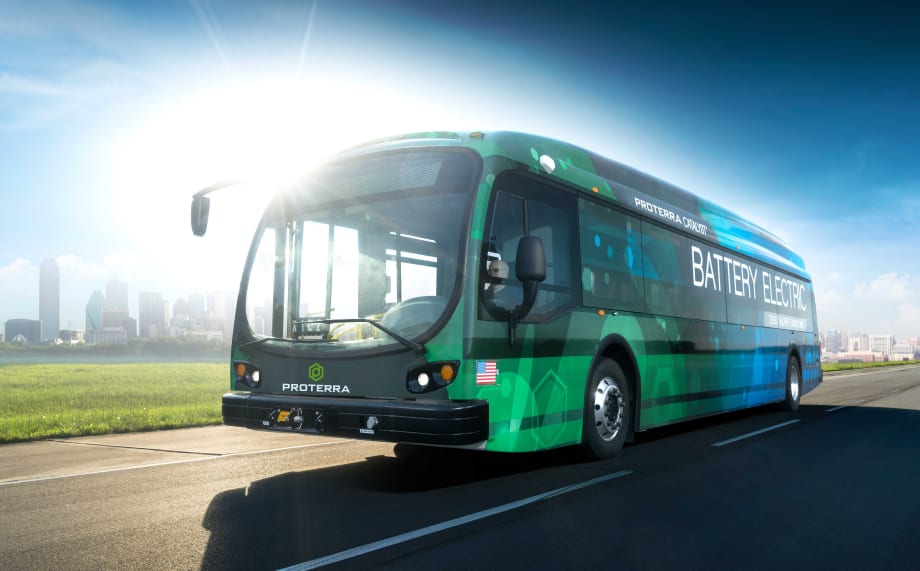
The Living Lab program will include three main phases of research and development. Phase 1 focuses on data collection, vehicle instrumentation, and intelligent transportation system assessment; Phase 2 on data mining, communications, and algorithms development; and Phase 3 on licensing and commercialization. In the first phase, RTC's state-of-the-art electric bus, manufactured by Proterra, will operate on specific city routes to sense and gather data, which will inform technology and systems development. The pilot is supported by the Knowledge Fund, an innovative funding mechanism developed by the State of Nevada to spur research, knowledge-intensive and innovation-driven economic development, and Research & Innovation at the University of Nevada, Reno.
"As more and more communities take steps to integrate autonomous vehicles, we will continue to advance mobility solutions that best meet those evolving needs, while embracing the highest safety standards on the market," said Ryan Popple, CEO of Proterra. "We see the Living Lab pilot as a way to support ongoing safety improvements, encourage technology develop in autonomous vehicles, and better understand complex road dynamics."
More New Mobility

From Hardware to Digital Partner: Luminator Charts Its Next Chapter
CEO Magnus Friberg discusses Luminator’s shift toward becoming a digital partner, the growing importance of software and interoperability, and how AI can help agencies improve operations and passenger experience.
Read More →
Biz Briefs: Alstom Lands Canadian Contract, LYT to Supply California TSP, and More
In METRO's latest installment, we take a look at recent news from Complete Coach Works, Beep, FlixBus, and more partnerships making headlines across the transportation sector.
Read More →
CharterUP’s Armir Harris on Technology, AI, and the Future of Group Mobility
In a recent episode of METROspectives, CharterUP Founder/CEO Armir Harris discussed the company’s evolution from an online charter bus marketplace into a technology platform supporting public- and private-sector mobility and much more.
Read More →
Jacksonville’s NAVI Project Charts a New Course for Autonomous Public Transportation
Through its NAVI program, JTA is showing how autonomous vehicles, intelligent infrastructure, and coordinated operations can work together to deliver everyday public transportation.
Read More →
Biz Briefs: Luminator Marks Milestone and More
From manufacturers and suppliers to transit agencies and motorcoach operators, these updates offer a snapshot of the projects, partnerships and business moves driving the industry forward.
Read More →
New Tricks for Old Bureaucracies: Joshua Schank on Making Transit Innovation Stick
Former LA Metro Chief Innovation Officer Joshua Schank discusses why good ideas aren't enough, how transit agencies can overcome resistance to change, and why today's challenges demand more innovation.
Read More →
How DART's GoPass Is Redefining Regional Mobility
Serving 14 transit agencies, GoPass simplifies multimodal travel by allowing riders to plan, pay for, and manage an entire trip through one app.
Read More →
Biz Briefs: OCTA Taps Clean Energy for Hydrogen Station, Stadler to Supply Via Rail Vehicles, and More
From manufacturers and suppliers to transit agencies and motorcoach operators, these updates offer a snapshot of the projects, partnerships and business moves driving the industry forward.
Read More →CharterUP Expands Into New Mobility and Autonomous Transportation
Vice President of New Mobility Stephen Joos discusses how CharterUP is leveraging its nationwide transportation network, technology platform, and autonomous vehicle partnerships to expand into workforce mobility, campus shuttles, and transit solutions.
Read More →
METRO Magazine Announces 2026 Innovative Solutions Awards Winners
Projects Recognized for Advancing Mobility Through Technology, Accessibility, Workforce Innovation, and Operational Excellence
Read More →