



Radio encryption blamed for failure in deadly D.C. tunnel incident
The failure of D.C.'s Fire and EMS radios inside the tunnels appeared to be a major flaw, but Metro now says there was nothing wrong with its radio antennas or repeaters in the underground station and tunnels. An initial report from D.C. Fire and EMS said Metro was notified about problems with the radios four days earlier

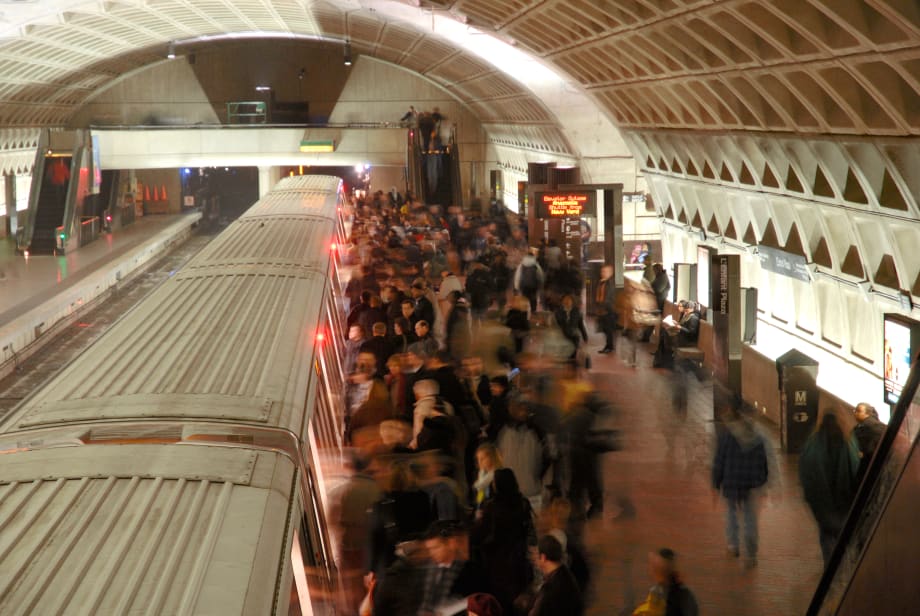
Larry Levine_WMATA
Larry Levine_WMATA
WASHINGTON, D.C. —The National Transportation Safety Board and the Washington Metropolitan Area Transit Authority (Metro) revealed its first detailed account of some of the problems that occurred in last week's deadly smoke incident at L'Enfant Plaza and what is being done to fix it, My Fox DC reported.
The failure of D.C.'s Fire and EMS radios inside the tunnels appeared to be a major flaw, but Metro now says there was nothing wrong with its radio antennas or repeaters in the underground station and tunnels. An initial report from D.C. Fire and EMS said Metro was notified about problems with the radios four days earlier. Metro spent several days trying to locate the problem but found none. The problem Metro now says was D.C. Fire and EMS.
Metro claims it notified D.C.'s Office of Unified Communications the morning of the L'Enfant malfunction that its radio network appeared to be working, but it wanted to check what is known as a "donor site" linking Metro's radio network with first responders. During the incident, one person died and more than 80 others were injured after being trapped on a train in a smoke-filled tunnel. For the full story, click here.
More Security and Safety

Public Transit Conference Returning to GFX in 2027, Call for Papers Now Open
The Call for Papers is now open, allowing transit agency professionals and industry experts to help shape the PTC educational program by submitting session ideas for consideration.
Read More →
Safe Transit Act Proposes New Security Requirements for Federal Transit Funding
Proposed legislation would link federal transit dollars to safety measures while requiring security investments, onboard cameras, and new fare collection standards.
Read More →
FTA Ends Direct Oversight of MBTA Safety Actions
The federal agency closed its remaining special directive to the Massachusetts Department of Public Utilities following a safety review that began in 2022.
Read More →
Transit Agencies Highlight Safety Gains at National Summit
Leaders from 15 major transit systems shared crime-reduction results and safety initiatives while discussing the role of continued federal support.
Read More →
DART Launches Major Security, Fare Enforcement Initiative
The 90-day demonstration will deploy coordinated security teams at five light rail stations while testing controlled access and gathering data to guide future investments.
Read More →
RTD Launches NextRide App to Consolidate Trip Planning, Fares, Security Reporting
The app expands on RTD’s existing NextRide web application and allows customers to view real-time vehicle locations and service alerts, purchase and store digital fares, and access customer support.
Read More →
TAPTCO Updates OSHA Compliance Training for Transit Maintenance Operations
The revamped program addresses 26 OSHA standards for maintenance facilities, with TAPTCO pointing to training, documentation, and everyday shop hazards as continuing challenges for transit operations.
Read More →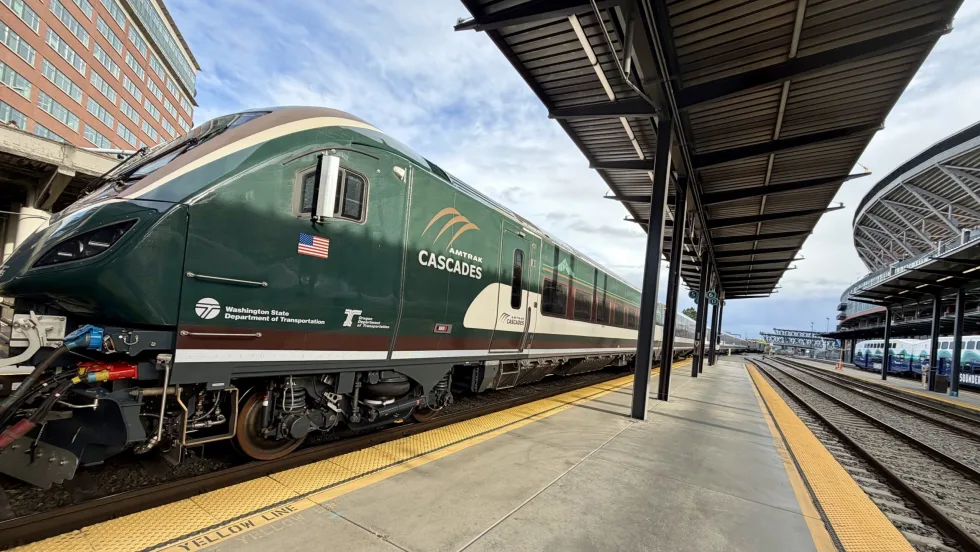
FRA Announces $5.3B in Rail Investments, Including $2B for Amtrak
Funding will support grade-crossing improvements, infrastructure upgrades, and new Amtrak equipment in 23 states.
Read More →
Chicago, Maryland Expand Non-Law-Enforcement Safety, Rider Support
The CTA and MTA are launching new programs aimed at de-escalation, crisis response, rider assistance, and greater transparency.
Read More →
LA Metro, City of West Hollywood, and Partners Advance Smarter Bus Lane Enforcement
The award-winning partnership combines AI-powered detection with human oversight to improve bus reliability, accessibility, and enforcement efficiency.
Read More →