



Reasonable modification rule to improve accessibility introduced
The Final Rule applies to public entities providing fixed route, dial-a-ride and complementary paratransit services. It establishes that an individual’s disability cannot preclude a public transportation entity from providing full access to its service except where doing so would fundamentally alter the service.


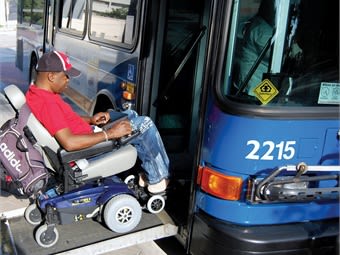
The U.S. Department of Transportation announced the publication of a Final Rule clarifying that public transportation providers are required to make reasonable modifications to their polices, practices, and procedures to avoid discrimination and ensure programs and services are accessible to individuals with disabilities.
The Final Rule applies to public entities providing fixed route, dial-a-ride and complementary paratransit services. It establishes that an individual’s disability cannot preclude a public transportation entity from providing full access to its service except where doing so would fundamentally alter the service. It also provides 27 examples of what a reasonable modification is and is not, and clarifies the definition of origin-to-destination service.
“Today’s rule simply codifies and clarifies what many in the transit community are already doing to accommodate their riders who have disabilities,” said Acting Federal Transit Administrator Therese McMillan. “We are making sure that reasonable modifications are part of transit provider policies and more uniformly applied while keeping decision-making in their hands.”
Further, the Final Rule brings clarity to the issue of origin-to-destination policy which has had varied interpretations and was unevenly applied throughout the nation. The new rule requires paratransit providers that primarily operate curb-to-curb service make reasonable modifications for those passengers who need assistance beyond the curb so that they can use the service. A significant number of paratransit operators already follow such an origin-to-destination policy.
Public transportation entities receiving Federal financial assistance have long had the obligation to provide reasonable modifications under various laws and regulations. This Final Rule revises and fills identified gaps in the DOT’s regulations. It becomes effective on July 13, 2015.
More Paratransit

Biz Briefs: RIPTA Unveils New Frontrunners, Clevland RTA Adds New Siemens, and More
In METRO's latest installment, we take a look at recent news from Siemens, Prevost, Dodge, and more partnerships making headlines across the transportation sector.
Read More →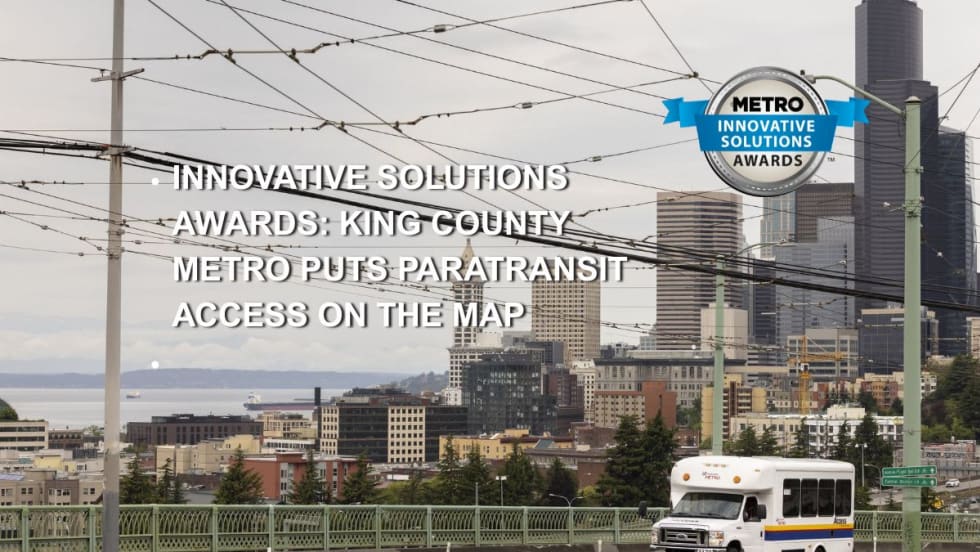
King County Metro Makes ADA Paratransit Easier to Navigate
METRO's Innovative Solutions Award winner replaces complex service-area descriptions with an accessible, interactive map that puts paratransit information directly in customers’ hands.
Read More →
Jacksonville’s NAVI Project Charts a New Course for Autonomous Public Transportation
Through its NAVI program, JTA is showing how autonomous vehicles, intelligent infrastructure, and coordinated operations can work together to deliver everyday public transportation.
Read More →
Driving Smarter Paratransit
John Hanlon shares how AlphaRoute is leveraging AI-powered technology to help paratransit providers optimize operations, support frontline staff, and enhance the rider experience.
Read More →
METRO Magazine Announces 2026 Innovative Solutions Awards Winners
Projects Recognized for Advancing Mobility Through Technology, Accessibility, Workforce Innovation, and Operational Excellence
Read More →
Biz Briefs: STV teams with Amtrak, Motorcoach Operators Boost Fleet and Land Contracts, and More
From manufacturers and suppliers to transit agencies and motorcoach operators, these updates offer a snapshot of the projects, partnerships and business moves driving the industry forward.
Read More →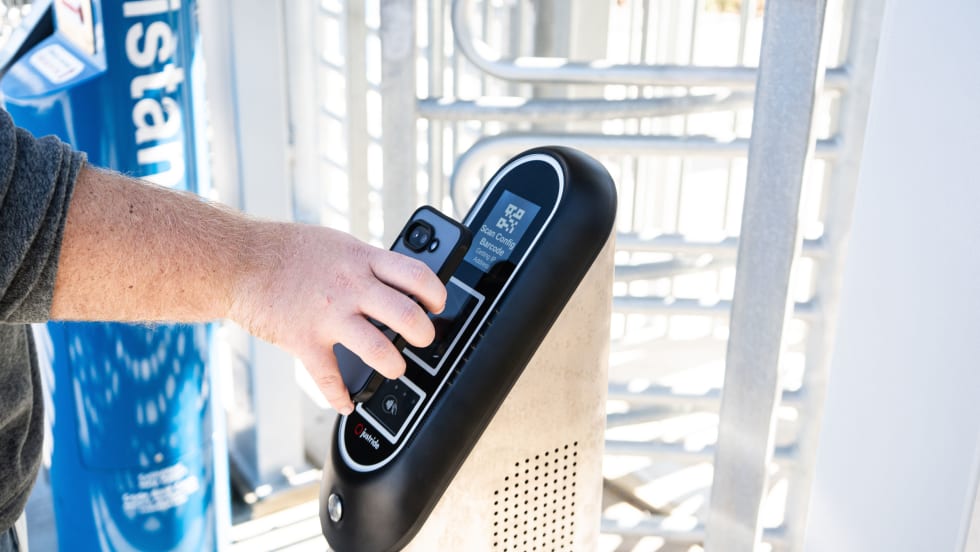
Biz Briefs: Masabi Teams with St. Louis Metro and More
In METRO's latest installment, we take a look at recent news from Transdev, Hitachi, and more partnerships making headlines across the transportation sector.
Read More →
New York MTA Leverages Zoning Program to Advance Station Accessibility
Accessibility enhancements at Nevins St Station will be financed through a development agreement tied to the MTA's Zoning for Accessibility initiative.
Read More →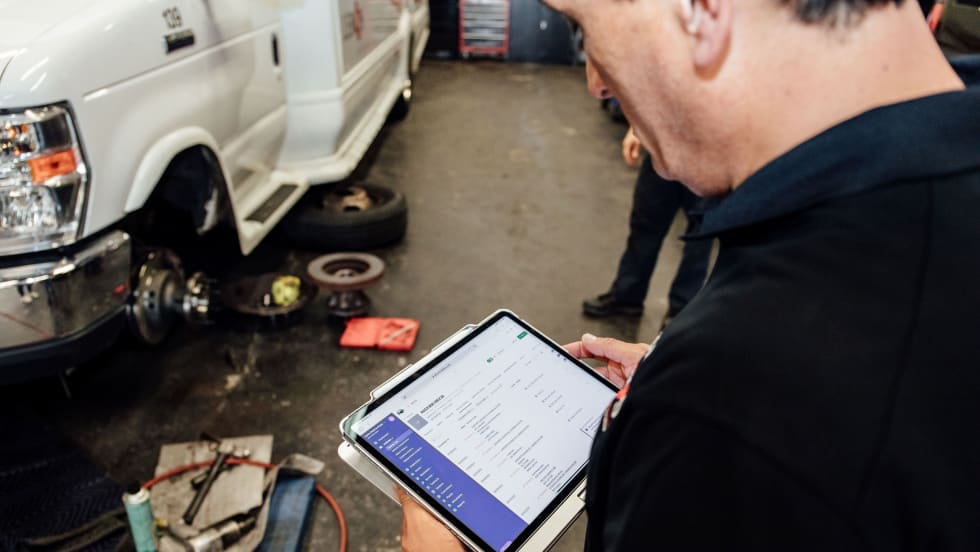
Reinventing Fleet Maintenance with Real-time Visibility and AI
Transit leaders need to know what needs fixing, where to look, who is responsible, when work is completed, and what it costs without having to chase information across disconnected systems.
Read More →
SamTrans Sets Priorities for Potential Connect Bay Area Revenue
The board-approved framework allocates future funding to maintaining service, rider improvements, equity initiatives, and infrastructure repairs.
Read More →