



Record-breaking French train tours Paris by barge
The V150 trainset will be on display this week at the Eiffel Tower.

The French high-speed train, which recently set a world rail speed record, toured the Seine River atop a barge as part of a one-week exhibition.
In April, the V150 trainset set the world rail speed record on France's new LGV Est Européenne high-speed train line at a speed of 357.2 mph. On May 13, the V150, made up of the head power car and the test car, passed through the French capital on the Seine River aboard a floating pontoon. From May 14-20, an exhibition devoted to high-speed rail transport will be open to the public at the foot of the Eiffel Tower.
The week's exhibition program will include photos of the event, a speed simulator and information on high-speed rail transport both worldwide and on the newly opened LGV Est Européenne.
The record-breaking trainset was comprised of a series of rolling stock: 2 POS power cars (those used for the TGV Est Européen), 3 standard Duplex cars and 2 AGV bogies (the latest generation of high speed trains developed by Alstom).
Aboard the train, a test car analyzed data recorded by 600 sensors that measured the behavior of both the infrastructure and equipment at never-before-achieved speeds. Forty trial runs were performed at speeds of close to 280 mph, for a total of over 200 hours of trials and a distance of nearly 2,000 miles covered.
Starting June 10, 2007, 100 TGV trains will run on a daily basis at speeds of 200 mph on the TGV Est Européen train line.
More Management

NITA Proposes $5B Operating Budget, $9.7B Capital Program for 2027
The proposed budget includes funding for expanded transit service, safety initiatives, fleet upgrades, and infrastructure improvements across CTA, Metra, and Pace.
Read More →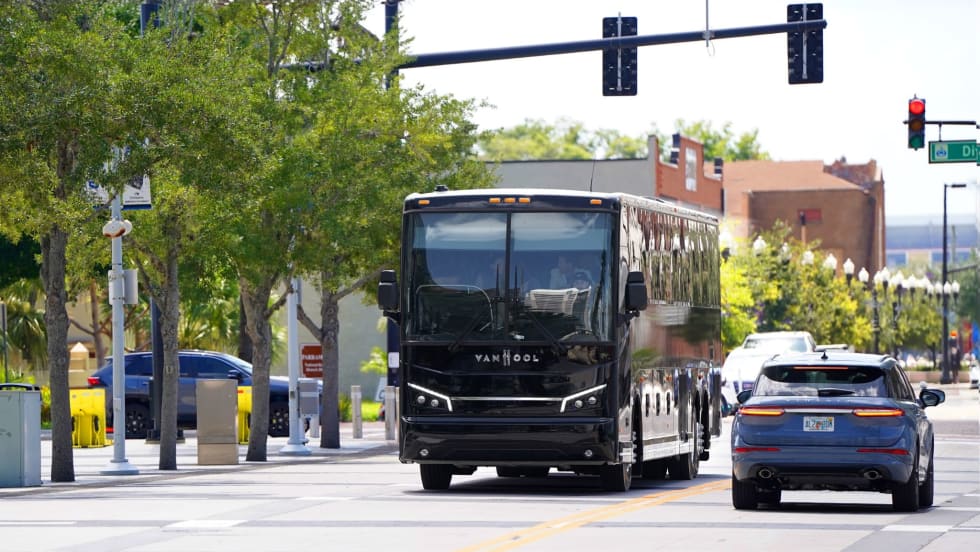
Financing, Fleet Replacement Requires a More Strategic Approach
Executives from ABC Companies and MCI discuss how rising costs, changing market conditions, and post-pandemic challenges are prompting motorcoach operators to rethink financing strategies, fleet replacement cycles, and long-term planning.
Read More →
Bringing Austin’s First Light Rail System to Life
Austin Transit Partnership CEO Greg Canally discusses the city's nearly 10-mile light rail project, its collaborative approach to project delivery, the importance of community engagement, and the milestones ahead as construction approaches in 2027.
Read More →
ETA CEO John Maglio on Transit Technology, Innovation, and Building Agency Trust
ETA founder and CEO John Maglio explores the evolution of transit technology, the importance of reliable systems, and how stronger partnerships can help agencies improve operations and the passenger experience.
Read More →
Metra Draft Plan Outlines Costs, Service Improvements for Regional Rail
The Systemwide Network Plan identifies infrastructure needs and potential investments to expand all-day, bidirectional rail service across the Chicago region.
Read More →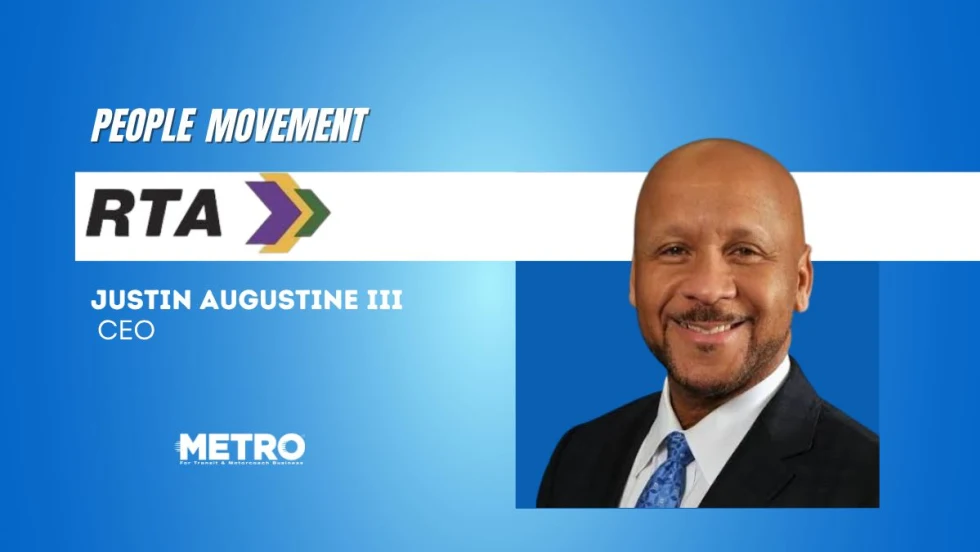
New Orleans RTA Names Augustine III as New CEO
In this edition, we also spotlight recent personnel moves at HDR, PATH, STV, and more, highlighting the people taking on new roles across the transportation industry.
Read More →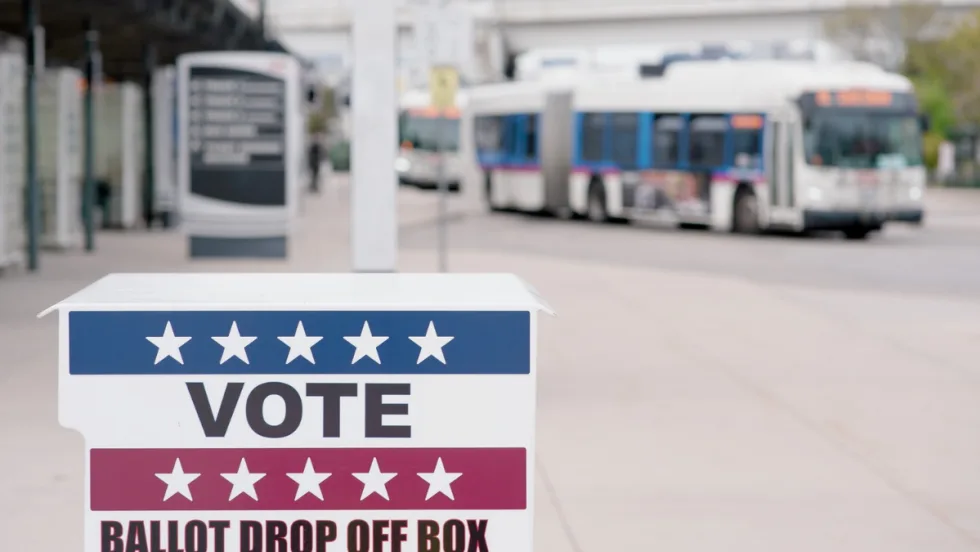
How Transit Agencies Are Using Free Rides to Improve Voting Access
Transit agencies are using fare-free service, trip-planning tools, and targeted rides to improve voting access. See what other agencies can learn from these efforts.
Read More →
Caltrain’s Electrification Drives a New Era of Ridership Growth
The railroad’s shift to electric service has brought more frequent trains, stronger customer satisfaction, and increased ridership, earning it APTA’s Outstanding Public Transportation System award.
Read More →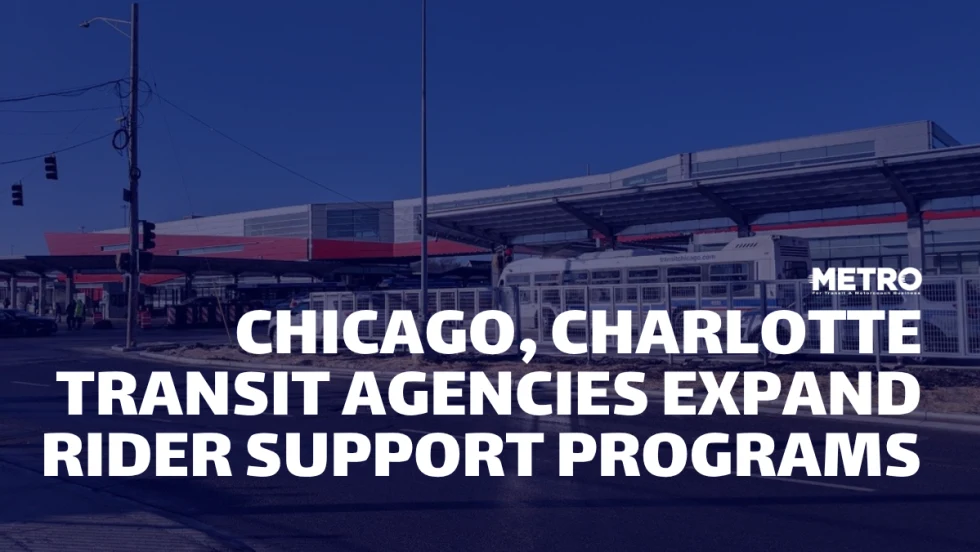
Chicago, Charlotte Transit Agencies Expand Rider Support Programs
CTA launched crisis intervention teams as CATS prepares to deploy fare ambassadors, expanding customer assistance and security efforts across both systems.
Read More →
New York MTA Launches Historic $1.9B Signal, Track Modernization Project
Funded in part by congestion pricing revenue, the project will replace nearly century-old signals along the A and C lines in Brooklyn and Queens.
Read More →