



Report: American infrastructure gets D-plus grade
Six sectors — solid waste, drinking water, wastewater, roads, bridges and rail — each experienced incremental improvements since the last assessment. America’s rail sector saw the largest improvement, moving from a C-minus to a C-plus.

America’s infrastructure is rated as a D-plus — a slight rise from a D grade given in 2009 — according to a new report from the American Society of Civil Engineers (ASCE). The 2013 Report Card estimates total investment needs at $3.6 trillion by 2020 across all 16 sectors, leaving a funding shortfall of $1.6 trillion based on current funding levels.
The grades in 2013 range from a high of B-minus for solid waste infrastructure to a low of D-minus for inland waterways and levees. None of the categories received a lower grade than in 2009; however near-failing grades continue to be seen in numerous sectors that are crucial to the economy and Americans’ quality of life.
Encouraging trends were found in sectors where focused investments were made. Six sectors — solid waste, drinking water, wastewater, roads, bridges and rail — each experienced incremental improvements since the last assessment. America’s rail sector saw the largest improvement, moving from a C-minus to a C-plus.
Key trends driving improvements included:
Private investment for efficiency and connectivity brought improvements in the nation’s railways, ports, and energy grid.
Several categories benefited from short-term boosts in federal funding.
Renewed efforts in cities and states to address deficient roads, bridges, drinking water and wastewater systems.
“A D+ is simply unacceptable for anyone serious about strengthening our nation’s economy; however, the 2013 Report Card shows that this problem can be solved. If we want to create jobs, increase trade, and assure the safety of our children, then infrastructure investment is the answer,” said ASCE President Gregory E. DiLoreto, PE.
For the first time, the 2013 Report Card includes information for all 50 states and highlights initiatives and innovations that are making a difference. For example, Oklahoma created a plan to replace or rehabilitate over 950 structurally deficient bridges between 2013 and 2020. Philadelphia implemented a program to improve resiliency and address combined sewer overflows using green infrastructure, capable of capturing water from all but the most severe storms.
“I want to commend ASCE for highlighting the need for urgent investment in our nation’s public transportation infrastructure in their report,” said APTA President and CEO Michael Melaniphy. “The report shows that there are devastating consequences to our economy and to our mobility when we do not make investing in America’s infrastructure a priority.”
Specific findings related to transportation:
Transit’s grade remained at a D as transit agencies struggled to balance increasing ridership with declining funding, and 45% of American households lack any access to transit. Although access to and investment in transit has increased, deficient and deteriorating transit systems cost the U.S. economy $90 billion in 2010. Many transit agencies are struggling to maintain aging and obsolete fleets and facilities amid an economic downturn that has reduced their funding, forcing service cuts and fare increases.
Rail saw the largest improvement, moving up to a C-plus in 2013. America’s freight rail industry invested more than $20 billion each year from 2009 through 2012 to modernize its network. In 2012, Amtrak recorded its highest year of ridership, benefiting from federal investments in tracks, bridges, tunnels, and increased capacity from both freight and passenger operations.
Bridges improved to a grade of C-plus given that the overall number of structurally deficient bridges continues to decrease. However, one in nine of the nation’s bridges are still rated as structurally deficient and the numbers in urban areas are rising.
More Bus

Finding the ‘Happy Medium’: Optimizing Maintenance Without Sacrificing Reliability
The key to maintenance optimization isn’t doing less work—it’s doing the right work at the right time on the right assets.
Read More →
LA Metro, City of West Hollywood, and Partners Advance Smarter Bus Lane Enforcement
The award-winning partnership combines AI-powered detection with human oversight to improve bus reliability, accessibility, and enforcement efficiency.
Read More →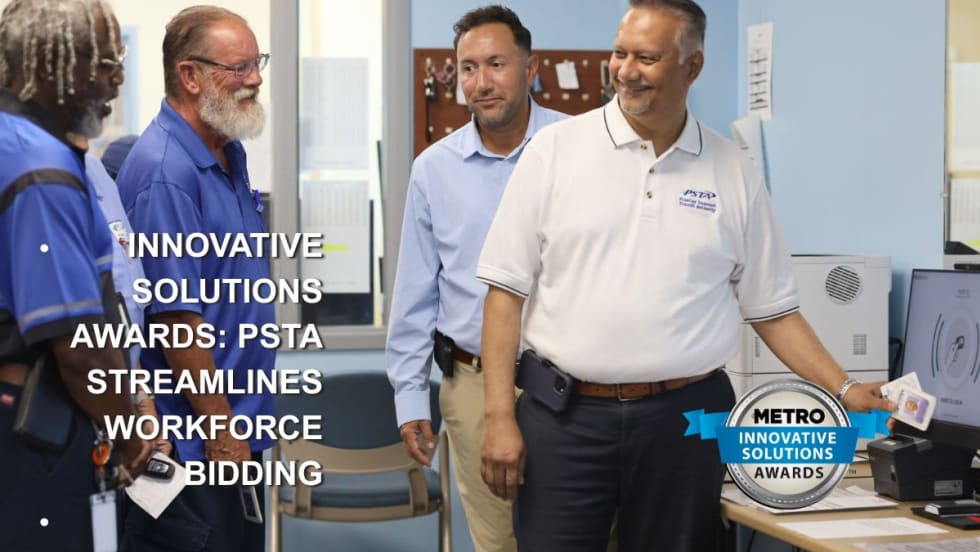
PSTA Modernizes Workforce Management with Digital Bidding System
The award-winning Workforce Transit Modernization project replaced paper bidding with a transparent digital platform, cutting administrative effort while improving access for operators.
Read More →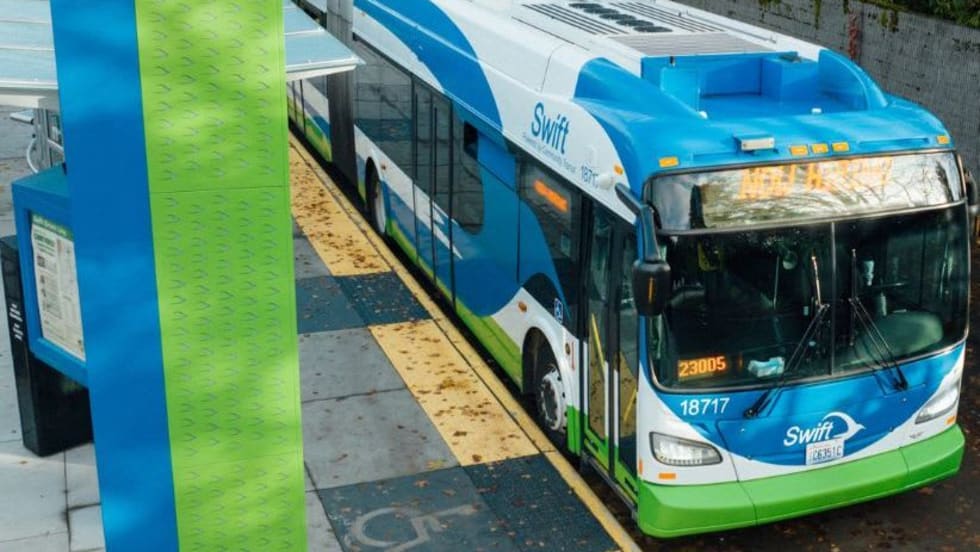
Washington's Community Transit Sets Six-Year Roadmap for Growth, Expansion
Approved TDP targets more bus service, new mobility options, Swift BRT expansion, and a potential Everett Transit annexation.
Read More →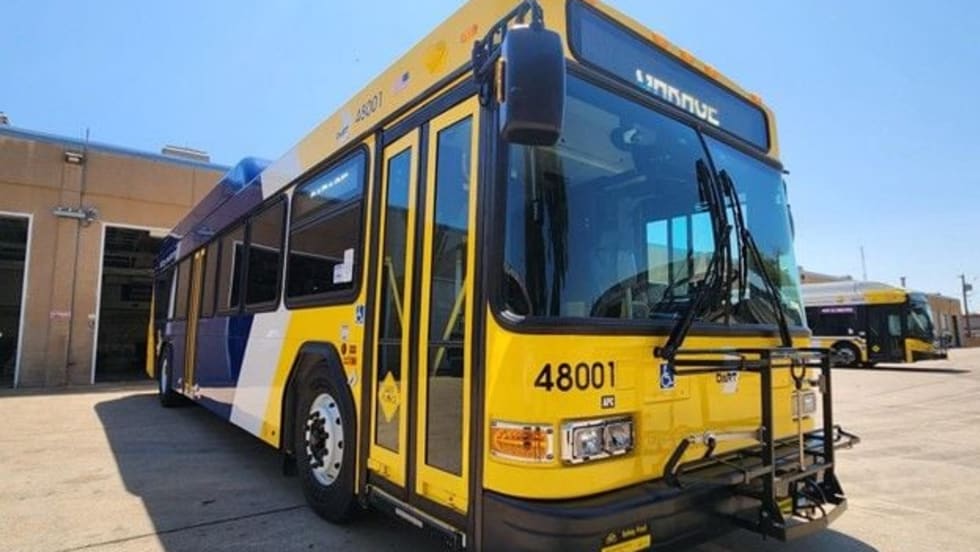
DART Customer Satisfaction Reaches Six-Year High
Overall satisfaction rose to 74.9%, while the agency’s Net Promoter Score reached a record 33.7.
Read More →
How DART's GoPass Is Redefining Regional Mobility
Serving 14 transit agencies, GoPass simplifies multimodal travel by allowing riders to plan, pay for, and manage an entire trip through one app.
Read More →
Biz Briefs: OCTA Taps Clean Energy for Hydrogen Station, Stadler to Supply Via Rail Vehicles, and More
From manufacturers and suppliers to transit agencies and motorcoach operators, these updates offer a snapshot of the projects, partnerships and business moves driving the industry forward.
Read More →
METRO Magazine Announces 2026 Innovative Solutions Awards Winners
Projects Recognized for Advancing Mobility Through Technology, Accessibility, Workforce Innovation, and Operational Excellence
Read More →
Biz Briefs: STV teams with Amtrak, Motorcoach Operators Boost Fleet and Land Contracts, and More
From manufacturers and suppliers to transit agencies and motorcoach operators, these updates offer a snapshot of the projects, partnerships and business moves driving the industry forward.
Read More →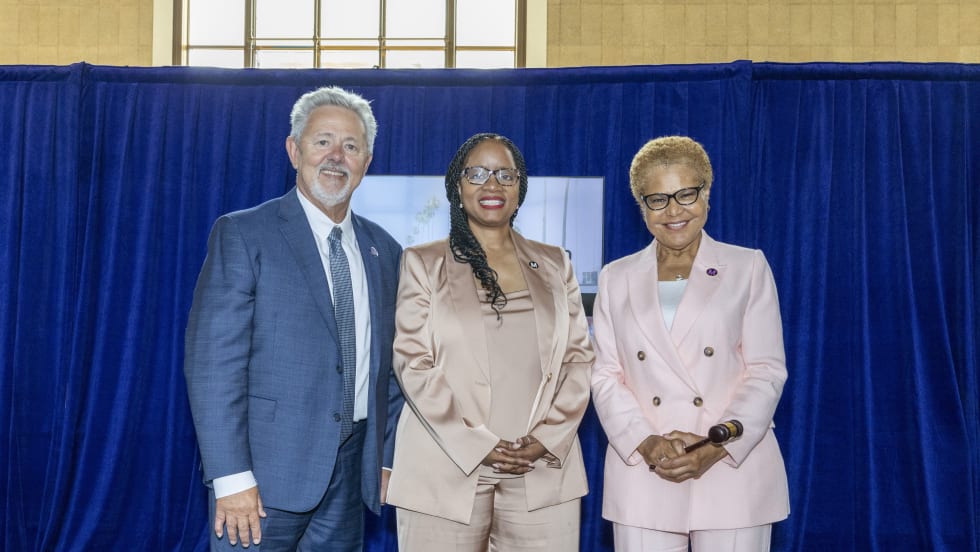
LA Metro Marks Banner Year, Sets Ambitious Goals for New Fiscal Year
Incoming LA Metro Board Chair and Los Angeles Mayor Karen Bass joined outgoing Board Chair Fernando Dutra and LA Metro CEO Stephanie Wiggins to review accomplishments from fiscal year 2026, which included the opening of new rail extensions, advancement of major transit projects, expanded safety programs, and new rider amenities.
Read More →