



Report: D.C. Metro needs 3 years to fix issues
Industry expert David L. Gunn urged the agency to "level with the public regarding the seriousness of the problems facing Metrorail"and the need to move quickly to recruit a general manager with "a strong operating and technical background."

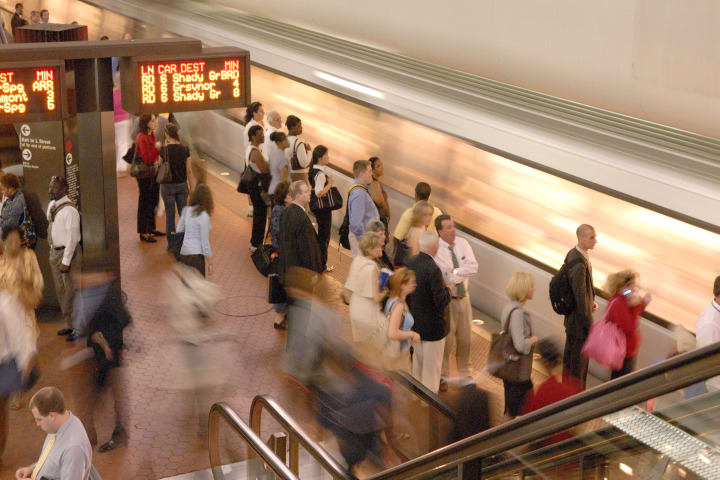
Photo courtesy WMATA, by Larry Levine.
[IMAGE]D-C-Metrorail-full.jpg[/IMAGE]In his assessment of the Washington Metropolitan Area Transit Authority (Metro), transit industry expert David L. Gunn told the board of directors that it would take three years to turn the agency around, according to a Washington Post story. He urged the agency to "level with the public regarding the seriousness of the problems facing Metrorail"and the need to move quickly to recruit a general manager with "a strong operating and technical background."
To read the full story, click here.
METRO TV: To watch an interview with Metro Board Chairman Peter Benjamin, click here.
A summary of Gunn’s report is provided below.
Issues of Safety
Safety is affected by virtually every aspect of Metro’s governance, finance, organization, management and operations. Metro needs to regain its strong safety culture throughout the entire organization.
Create a workplace where safety is openly discussed, problems are reported, solved and all employees, supervisors and managers know they can ask for help without fear.
Provide all employees with the training and knowledge required to be safe and ensure the system is safe.
Ensure safety is the responsibility of line departments such as signal, track and operations.
End “shoot the messenger” at all levels of the organization.
Communicate candidly about safety with the public
Financial Issues
Avoid service cuts to Metrorail; recognize cost recovery of 80 percent on rail and 35 percent on bus.
Deal with Metro Access and Metrobus subsidy increases:
1. Percentage growth for Metro Access from 2000 to 2009 was 321 percent.
2. Percentage growth for Metrobus from 2000 to 2009 was 89 percent.<
3. Percentage growth for Metrorail from 2000 to 2009 was 12 percent.
Manage rail fare increases realistically to minimize ridership losses.
Allocate financial resources based on the system’s operating and capital needs.
Educate the public about financial realities: this trend cannot continue.
Organization and Management Issues
Organizational Structure
1. Increase direct reports to the general manager for better control and strengthen senior management.
2. Merge engineering and maintenance functions around systems (examples: signals, power, track.)
Departmental Goals and Objectives
1. Create an organization with clear responsibility centers.
2. Develop with key managers realistic, quantifiable goals tied to capital and operating budgets and hold managers accountable.
3. Link personnel allocations more closely to the budget, goals and objectives.
4. Monitor monthly reports to assure goals are being met (examples: miles of track, ties, fasteners, joints and turnouts replaced).
Personnel
1. Recruit a permanent general manager with a strong operating and technical background; the quality of the next general manager will significantly affect the ability to hire competent senior managers.
2. Recruit experienced senior managers with engineering experience to fill many currently open positions.
3. Hire and train qualified staff to address the maintenance backlog.
4. Overcome the negative impact of reductions in force and early retirements.
5. Address pending Metrobus management retirements, as they will pose a recruiting challenge in the near future.
6. Stop using hiring freezes to control the budget.
Budget
1. Introduce new reporting regimen so that quantifiable goals are tied to the capital and operating budgets.
2. Prioritize capital and operating budgets by asset class (ex: bus procurement, rail replacement, ties, grouting, etc.)
3. Hold managers accountable to manage the personnel, results and dollars.
Operations
1. Metrobus operations are working relatively well.
2. Metrorail operations need attention to reverse current trends.
a. Accelerate track and car maintenance, cleaning and replacement.
b. Clean tunnels and stations, necessary for equipment reliability and safety.
c. Generally increase maintenance programs.
Issues of Board Governance
The Board and the general manager should agree on the transit authority's agenda, goals and objectives.
To provide continuity, the Board chairman should serve a multi-year term.
The Board and general manager should adopt and implement bus and rail service standards.
The Board and general manager should streamline procurement policies to facilitate acquisitions.
Level with the public regarding the seriousness of the problems facing Metrorail
More Bus

People Movement: Dan Dipert Coaches Adds Third-Generation Leader, Keolis Names New Valley Metro VP/GM, and More
In this edition, we also cover recent appointments and announcements at the Wabtec, SilverRide, HNTB, and more, showcasing the individuals helping to shape the future of transportation.
Read More →
New York MTA Plans Largest Bus Fleet Upgrade in More Than a Decade
The agency is seeking manufacturers for 650 new CNG buses to replace aging vehicles, improve reliability, and advance its broader fleet modernization strategy.
Read More →
Building a Flexible Path to Transit Electrification
John Hroncich discusses BAE Systems’ modular and scalable approach, lessons learned from decades of real-world operations, and how agencies can identify electrification strategies that fit their fleets.
Read More →
Bus Tech Talk: Keeping Transit Technicians Ahead of the Technology Curve
LA Metro’s Obed Mejia discusses technician training, evolving maintenance technology, fleet replacement, and strategies for getting the most out of today’s transit fleets.
Read More →
Biz Briefs: RIPTA Unveils New Frontrunners, Clevland RTA Adds New Siemens, and More
In METRO's latest installment, we take a look at recent news from Siemens, Prevost, Dodge, and more partnerships making headlines across the transportation sector.
Read More →
People Movement: Holly Arnold Joins Transdev and More
In this edition, we also cover recent appointments and announcements at Pace, CamTran, MCI, and more, showcasing the individuals helping to shape the future of transportation.
Read More →
The High Cost of Transit Buses: Industry Leaders Look to Procurement Reform
Transit leaders and policymakers examine how standardized bus designs, streamlined procurement, and predictable funding could help agencies stretch budgets and deliver better service.
Read More →
The Business Voice Behind Public Transportation
As chair of APTA’s Business Members Board of Governors, Ray Melleady explains how more than 850 business members are partnering with transit agencies to advance funding, innovation, and industry-wide collaboration.
Read More →
From Surviving to Thriving: Building Stronger Transportation Organizations
Bus Business Consultants founder Brian Dickson shares lessons on leadership, organizational health, and creating options for long-term success in a changing transportation industry.
Read More →
Finding the ‘Happy Medium’: Optimizing Maintenance Without Sacrificing Reliability
The key to maintenance optimization isn’t doing less work—it’s doing the right work at the right time on the right assets.
Read More →