



Report shows U.S. lags in urban infrastructure
U.S. development gaps threaten ability to compete globally.

A report co-published by the Urban Land Institute and Ernst & Young, offering a comprehensive look at the status of current and planned infrastructure investment worldwide, was released this week at ULI's Spring Council Forum in Chicago. The report, Infrastructure 2007: A Global Perspective, points to relatively low U.S. investment in virtually all aspects of mobility-related infrastructure, — airports, public transit, railway systems, roads and bridges — calling the situation an "emerging crisis." The varied attitudes toward and approaches to infrastructure investment are reflected in different data provided in the report, such as, Japan having about 1,200 miles of high-speed rail, with plans to build about 180 more miles by 2020; China's plans to build more than 1,500 miles of high-speed rail by 2020; and the U.S. having about 180 miles, but is currently building none. Numerous worldwide trends and issues are discussed in the report, including:
Australia, the United Kingdom, other countries in Western Europe and Canada are far ahead of the United States in using private financing structures to fund improvements.
In America, a "yawning" budget gap swallows initiatives to fund maintenance. Prevalent sprawl, poor planning and car dependence pose ever greater challenges in meeting future needs. Issues and trends specific to the U.S.:
Reluctance to raise the federal gas tax threatens the viability of the Highway Trust Fund, now on course for insolvency by 2009.
Most new U.S. highways will be constructed as toll roads; states will finance them through bond issues and private concessions. The report is available on ULI's Website at www.uli.org/reports/i18.
More Management

People Movement: ABC Names John Walsh as Chief Commercial Officer
In this edition, METRO also covers recent appointments and announcements at the DART, STV, and more, showcasing the individuals helping to shape the future of transportation.
Read More →
From Surviving to Thriving: Building Stronger Transportation Organizations
Bus Business Consultants founder Brian Dickson shares lessons on leadership, organizational health, and creating options for long-term success in a changing transportation industry.
Read More →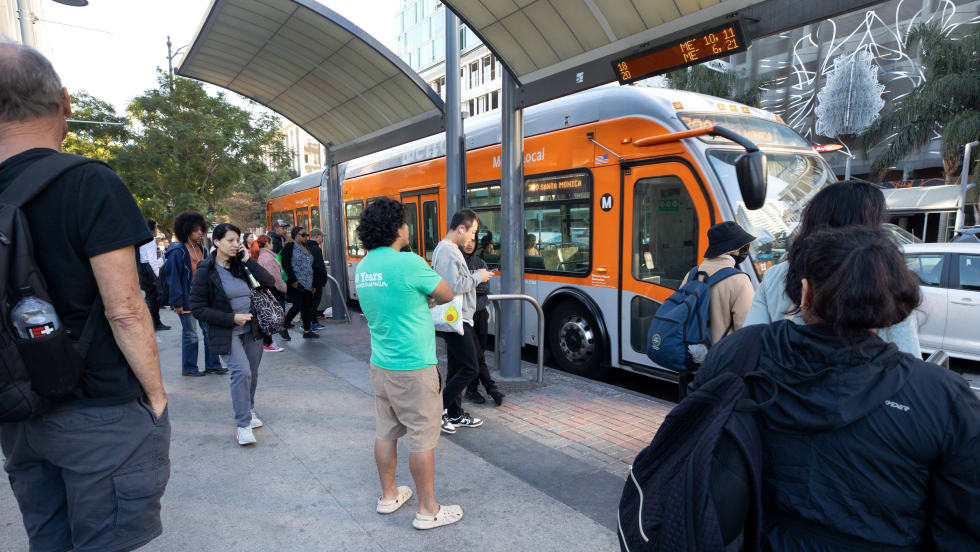
LA Metro Ridership Continues Growth as Rail Gains Accelerate
New rail connections and major events help drive continued ridership gains, with Metro recording its eighth consecutive month of year-over-year rail growth.
Read More →
TransDASH Summit Focuses on Measuring What Matters in Transit
Transit agencies unveil a national performance platform designed to benchmark customer experience, safety, community value, and other outcomes.
Read More →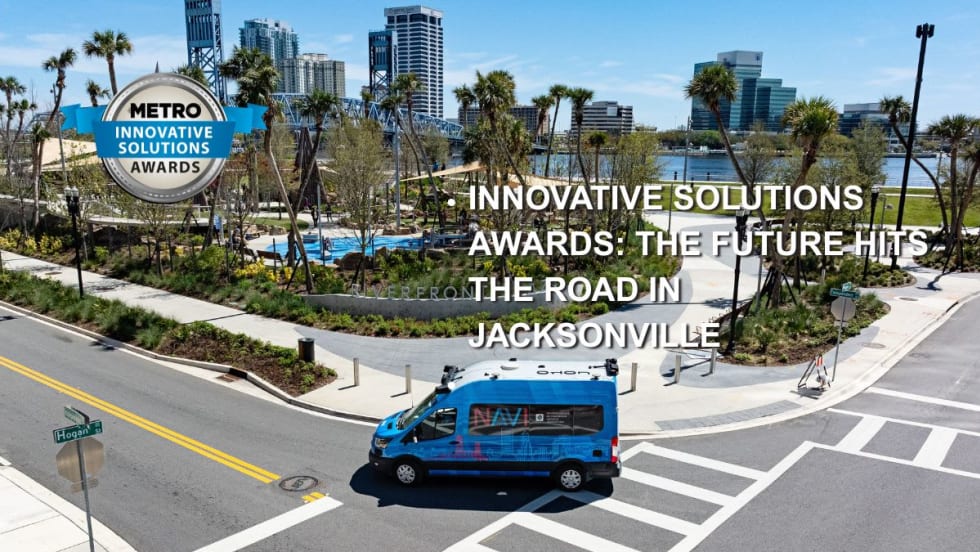
Jacksonville’s NAVI Project Charts a New Course for Autonomous Public Transportation
Through its NAVI program, JTA is showing how autonomous vehicles, intelligent infrastructure, and coordinated operations can work together to deliver everyday public transportation.
Read More →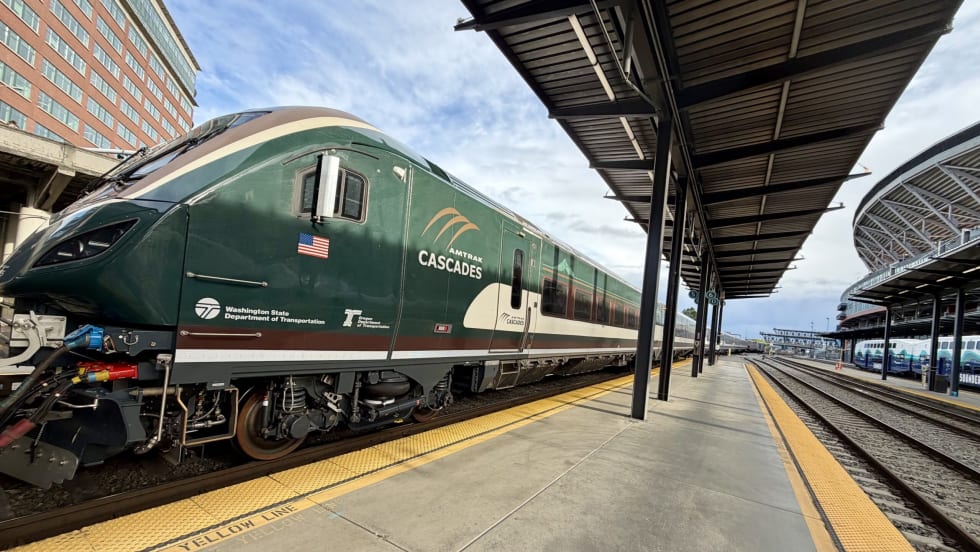
FRA Announces $5.3B in Rail Investments, Including $2B for Amtrak
Funding will support grade-crossing improvements, infrastructure upgrades, and new Amtrak equipment in 23 states.
Read More →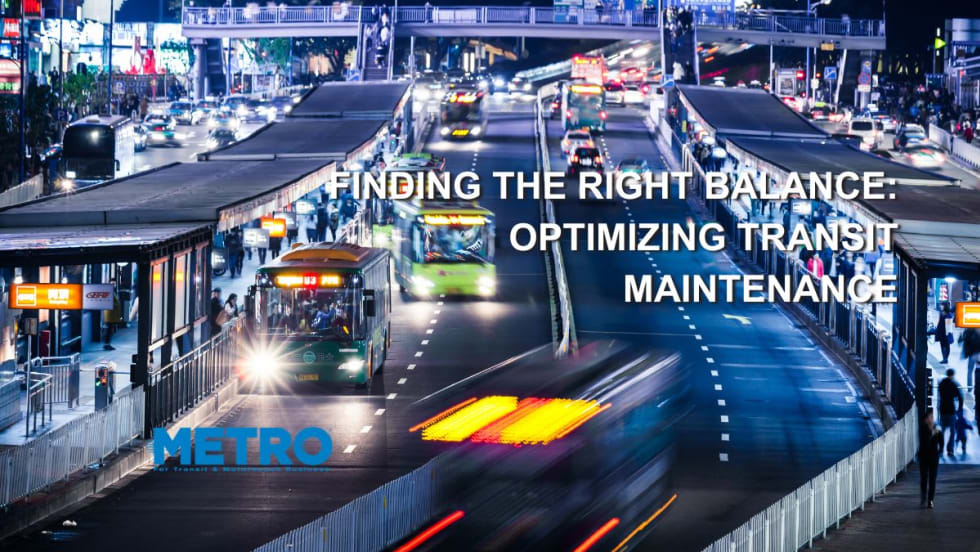
Finding the ‘Happy Medium’: Optimizing Maintenance Without Sacrificing Reliability
The key to maintenance optimization isn’t doing less work—it’s doing the right work at the right time on the right assets.
Read More →
People Movement: MARTA Drops Interim Tag on GM/CEO Hunt and More
In this edition, METRO covers recent appointments and announcements at the FMCSA, HDR, SilverRide, and more, showcasing the individuals helping to shape the future of transportation.
Read More →
VIA Metropolitan Transit Reports 2 Million More Passenger Trips as Better Bus Plan Gains Momentum
San Antonio's transit agency said accelerated service improvements are driving ridership growth, offering another example of how increased frequency and workforce investments can translate into stronger transit performance.
Read More →
ABAF Study Reveals Growing Insurance Crisis for Motorcoach Operators
Preliminary findings show 98% of operators faced premium increases over the past five years, while shrinking insurer participation is putting added pressure on businesses and customers.
Read More →