




Keep Reading: Smarter Maintenance Starts with Risk, Not Routine
Utah Transit Authority Adopts New Governance Model
State leaders said the changes will improve oversight, coordinate transportation investments, and support expanding transit service across the Wasatch Front.
July 2, 2026
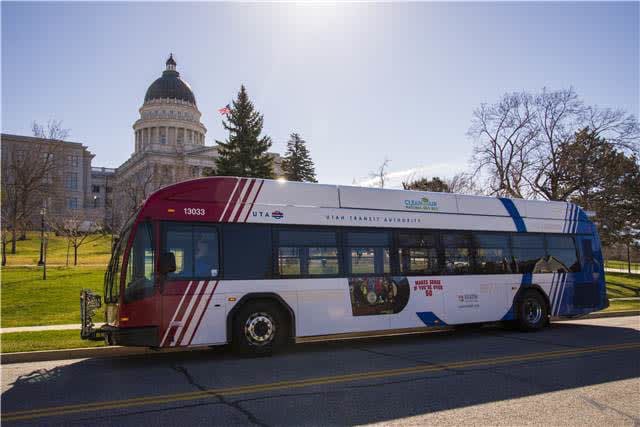
The Transit Commission will serve as Utah Transit Authority's governing body, overseeing responsibilities including approval of the agency's annual budget, adoption of its Long-Range Transit Plan, and more.
Credit:
Utah Transit Authority
3 min to read
- Utah Transit Authority is implementing a new governance model to improve oversight.
- State leaders anticipate that the changes will coordinate transportation investments more effectively.
- The new model aims to support the expansion of transit services across the Wasatch Front.
*Summarized by AI
Effective July 1, the Utah Transit Authority (UTA) is operating under a new governance structure established by Senate Bill 197 (SB197), shifting oversight of the agency to a seven-member Transit Commission and a full-time executive director.
The legislation, passed during Utah's 2026 legislative session, replaces UTA's previous governance model of a full-time Board of Trustees and part-time Local Advisory Council. State leaders said the new structure is intended to strengthen accountability, better coordinate transportation investments, increase ridership, and support the agency's long-term growth.
The Transit Commission will serve as UTA's governing body, overseeing responsibilities including approval of the agency's annual budget, adoption of its Long-Range Transit Plan and fiduciary oversight of regional transit investments. Executive Director Jay Fox will continue leading UTA's daily operations, staff, and strategic direction.
SB197 sponsors, Sen. Wayne Harper and Rep. Kay Christofferson, said the legislation was informed by research into governance models at other major transit agencies and by stakeholder input. According to the sponsors, the changes are designed to improve how local governments and riders engage with UTA and to increase organizational efficiency.
"This will position UTA to move forward and better serve growing Wasatch Front communities,” Harper said. “Utah cannot build enough roads to meet its transportation needs. Transit must be reliable, timely, and responsive to every area UTA serves."
The commission's seven members are Mike Caldwell, Jeff Silvestrini and Muriel Xochimitl, nominated by local government councils and appointed by Gov. Spencer Cox; Chris Gamvroulas and Sheldon Killpack, appointed by the Senate president; and Beth Holbrook and Jeff Acerson, appointed by the speaker of the House.
Funding, Planning Shape UTA's Next Chapter
The legislation also establishes a dedicated state funding mechanism for transit. Beginning in fiscal year 2029, 5% of incremental state sales tax growth above a fiscal year 2028 baseline will be directed to the Transit Transportation Investment Fund (TTIF), which is dedicated exclusively to transit. State projections estimate TTIF revenues will grow from $109.2 million in FY2028 to nearly $200 million by FY2035 without increasing taxes or redirecting existing funding.
"I'm grateful to the state for its vote of confidence in UTA's continued success and its commitment to a dedicated funding vision," Fox said. "This begins an era of greater coordination and unity between transportation agencies and communities to prepare for Utah's future growth, founded on the daily commitment of our employees to continuously improving our service."
The new governance model is based on the framework used by the Utah Department of Transportation (UDOT) and is intended to better align UTA with the state's long-term transportation priorities, including planning for the 2034 Winter Olympics. During the commission's first year, UDOT's executive director will serve as a nonvoting, ex officio member to help coordinate statewide transportation planning during the transition.
Fox also recognized the contributions of UTA's outgoing Board of Trustees.
"The trustees' efforts have prepared UTA well to meet Utah's growth," Fox said. "Over their tenure, the board also navigated the agency through COVID-19 ridership recovery, the opening of new bus rapid transit lines, and sustained gains in public trust."
UTA noted its recognition as the American Public Transportation Association's 2025 Outstanding Public Transportation System as evidence of the agency's recent performance. The agency said day-to-day operations, including bus, TRAX, Streetcar, FrontRunner, Paratransit, UTA On Demand and Vanpool services, will continue without interruption under the new governance structure.
More Management

Bus Tech Talk: Keeping Transit Technicians Ahead of the Technology Curve
In this episode of Bus Tech Talk, Complete Coach Works’ Business Development Manager Mark Hollenbeck and METRO’s Executive Editor Alex Roman sit down with Obed Mejia, Senior Technical Trainer for Bus Maintenance, at LA Metro to discuss how rapidly evolving bus technology is changing the maintenance shop — and the skills technicians need to keep pace.
Read More →
Michael Schneider Joins Paslay Group to Expand Transportation Practice
The longtime transportation executive will help Paslay Group grow its advisory and program management work across transit, highway, and other infrastructure sectors.
Read More →
People Movement: Connectpoint Expands Leadership Team, Stadler Names New Group CEO, and More
In this edition, we also spotlight recent personnel moves at Burns, UZURV, and more, highlighting the people taking on new roles across the transportation industry.
Read More →
More Than a Summer Job: Building the Next Generation of Transit Talent
The Delaware River Port Authority and PATCO have transformed their internship program into a hands-on professional development experience that introduces students to the breadth of transportation careers — and creates a pipeline for future employees.
Read More →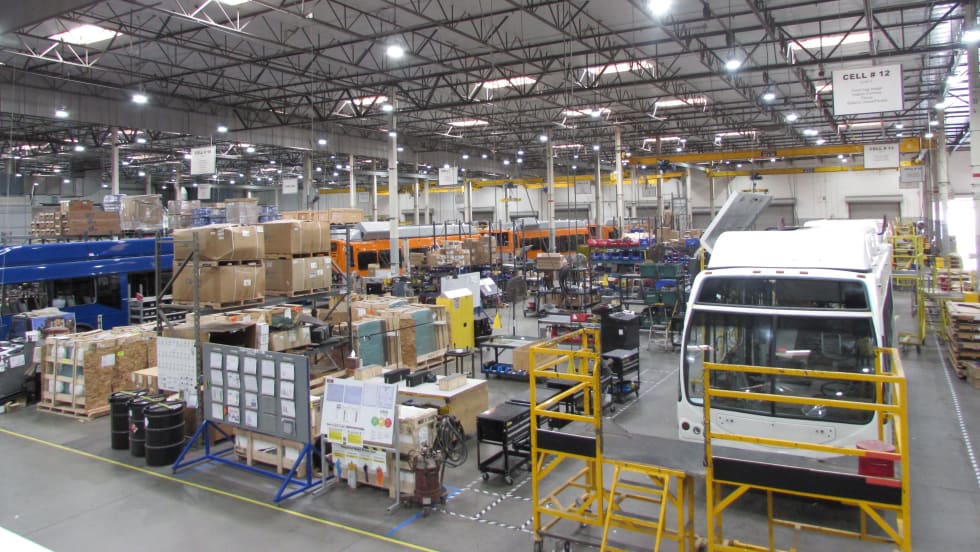
LA Metro Board Awards 220 Battery-Electric Bus Contract to ENC
The contract, which is the largest base award of battery-electric buses by a U.S. transit agency, will be built in Southern California, sustaining good jobs as LA prepares to welcome the world in 2028
Read More →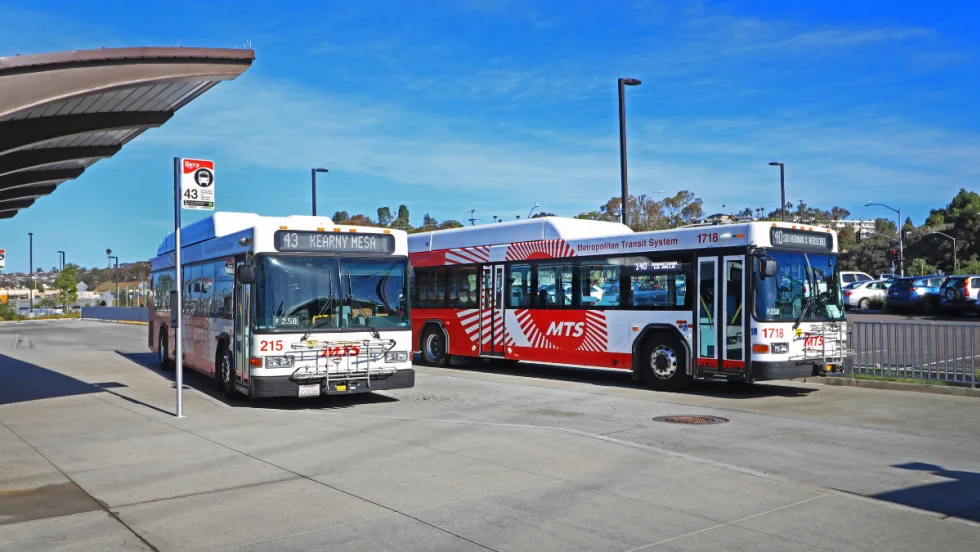
What’s Behind San Diego MTS’s Award-Winning Transit Strategy
Named one of APTA’s 2026 Outstanding Public Transportation Systems with 50 million or more annual passenger trips, California’s San Diego Metropolitan Transit System points to gains in ridership, safety, technology, and reliability as foundations of its success.
Read More →
Public Transit Conference Returning to GFX in 2027, Call for Papers Now Open
The Call for Papers is now open, allowing transit agency professionals and industry experts to help shape the PTC educational program by submitting session ideas for consideration.
Read More →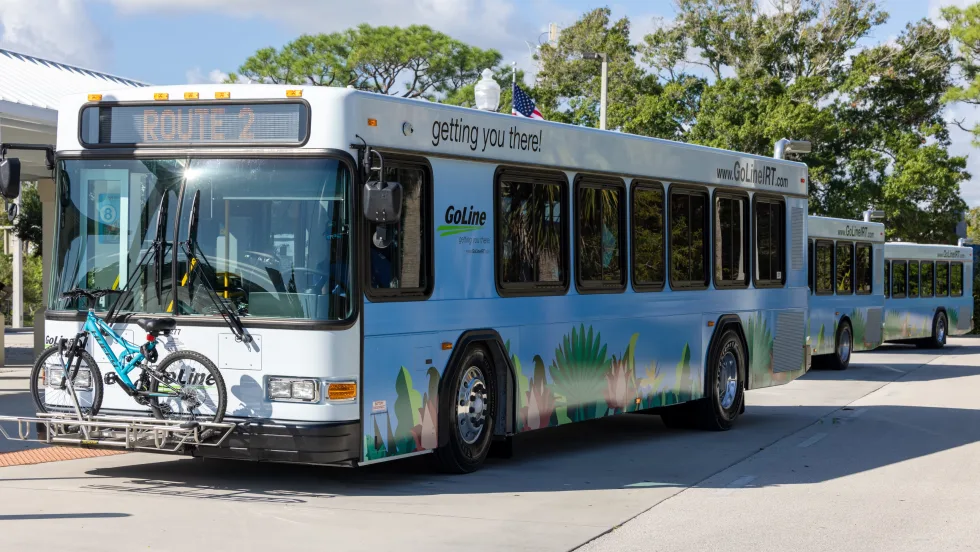
Indian River Transit’s Community-Focused Approach Earns National Recognition
Named APTA’s 2026 Outstanding Public Transportation System in its size category, Florida’s Indian River County transit system continues to grow ridership through fare-free service and a focus on evolving community needs.
Read More →
ENC Lands MATA Contract and More in Biz Briefs
In this edition of Biz Briefs, we spotlight the latest developments shaping the future of mobility.
Read More →From Surviving to Thriving: Building Stronger Transportation Organizations
Bus Business Consultants founder Brian Dickson shares lessons on leadership, organizational health, and creating options for long-term success in a changing transportation industry.
Read More →