




Miss This? Operation Lifesaver Awards Nearly $198,000 in Rail Safety Grants
Federal Highway Administration Seeks Public Input on Future of Interstate System
The initiative invites feedback on new routes, major upgrades, and emerging transportation needs, including issues that could affect public transit and motorcoach operations.
July 2, 2026
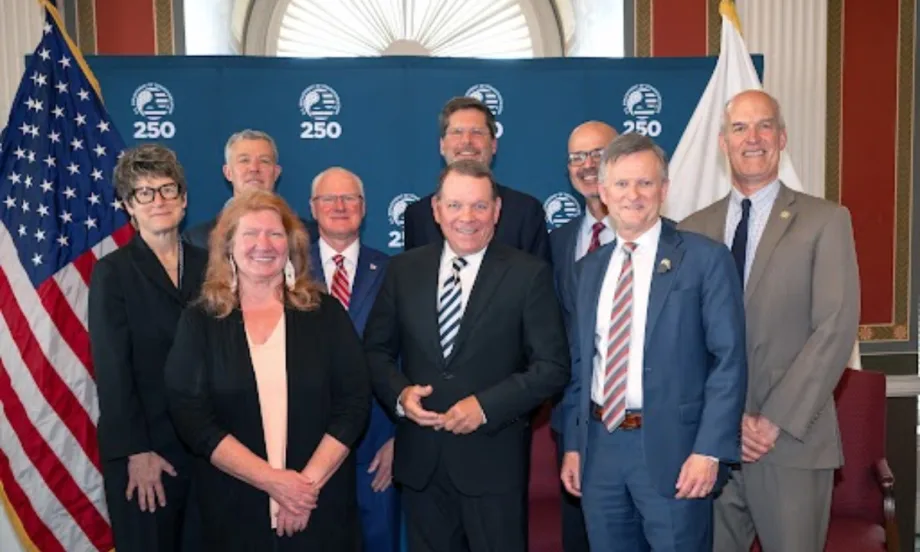
L to R: Robin Dale, Deputy Librarian of Collections and Services, Library of Congress; Tracy Larkin Thomason, Director, Nevada Department of Transportation (NDOT); Jim Tymon, Executive Director, American Association of State Highway and Transportation Officials (AASHTO); Russell McMurry, Commissioner, Georgia Department of Transportation (GDOT); President, AASHTO; Rep. Sam Graves (R-MO), Chairman, House Committee on Transportation & Infrastructure (T&I); Sean McMaster, Administrator, Federal Highway Administration; Marc Williams, Executive Director, Texas Department of Transportation (TxDOT); Steven Bradbury, Deputy Secretary of Transportation, U.S. Department of Transportation; Rep. Rick Larsen (D-WA), Ranking Member, House T&I Committee.
Credit:
Federal Highway Administration
2 min to read
The Federal Highway Administration (FHWA) is asking the public to help shape the future of the nation's Interstate Highway System through a new initiative to identify infrastructure priorities for the decades ahead.
The FHWA’s "Reimagining America's Interstates" initiative seeks public feedback on where new interstate facilities may be needed, which existing corridors require major upgrades, and how the system can better serve the transportation needs of the 21st century.
FHWA plans to publish a Request for Information (RFI) in the Federal Register featuring 21 questions on topics ranging from freight growth to the integration of emerging technologies.
While much of the discussion is expected to focus on freight and personal vehicle travel, the initiative also presents an opportunity for public transportation providers and the motorcoach industry to weigh in on highway improvements that could enhance passenger mobility, reduce congestion, improve travel times, and strengthen connections between urban and rural communities.
For motorcoach operators, potential interstate improvements could influence route planning, operating efficiency, passenger accessibility, and long-term service expansion. Agencies and private operators that rely on interstate corridors for commuter, intercity, and charter service may also have an opportunity to advocate for infrastructure investments that better accommodate buses and other high-occupancy vehicles.
"After having propelled America into prosperity for 70 years, it's time to envision how our nation's interstates can better serve a modern economy," said FHWA Administrator Sean McMaster. "We want the American people to help us build a system that conquers today's challenges and secures tomorrow's growth."
The announcement coincides with the Interstate Highway System's 70th anniversary. FHWA also unveiled a commemorative Freedom 250 highway sign as part of the U.S. Department of Transportation's broader initiative recognizing the nation's upcoming 250th anniversary.
The agency said comments collected through the RFI will help inform future interstate planning and identify priorities for improving one of the nation's most heavily traveled transportation networks.
More Management

Bus Tech Talk: Keeping Transit Technicians Ahead of the Technology Curve
In this episode of Bus Tech Talk, Complete Coach Works’ Business Development Manager Mark Hollenbeck and METRO’s Executive Editor Alex Roman sit down with Obed Mejia, Senior Technical Trainer for Bus Maintenance, at LA Metro to discuss how rapidly evolving bus technology is changing the maintenance shop — and the skills technicians need to keep pace.
Read More →
Michael Schneider Joins Paslay Group to Expand Transportation Practice
The longtime transportation executive will help Paslay Group grow its advisory and program management work across transit, highway, and other infrastructure sectors.
Read More →
People Movement: Connectpoint Expands Leadership Team, Stadler Names New Group CEO, and More
In this edition, we also spotlight recent personnel moves at Burns, UZURV, and more, highlighting the people taking on new roles across the transportation industry.
Read More →
More Than a Summer Job: Building the Next Generation of Transit Talent
The Delaware River Port Authority and PATCO have transformed their internship program into a hands-on professional development experience that introduces students to the breadth of transportation careers — and creates a pipeline for future employees.
Read More →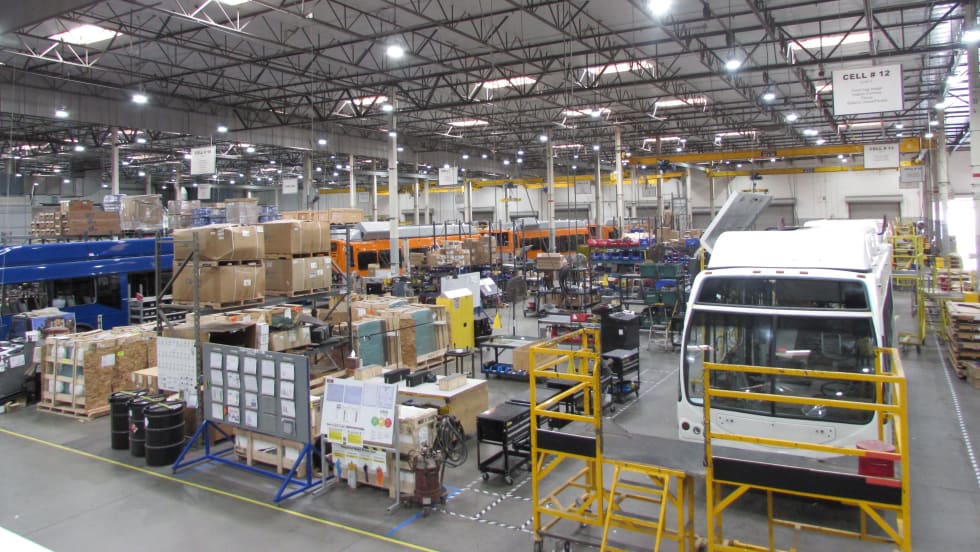
LA Metro Board Awards 220 Battery-Electric Bus Contract to ENC
The contract, which is the largest base award of battery-electric buses by a U.S. transit agency, will be built in Southern California, sustaining good jobs as LA prepares to welcome the world in 2028
Read More →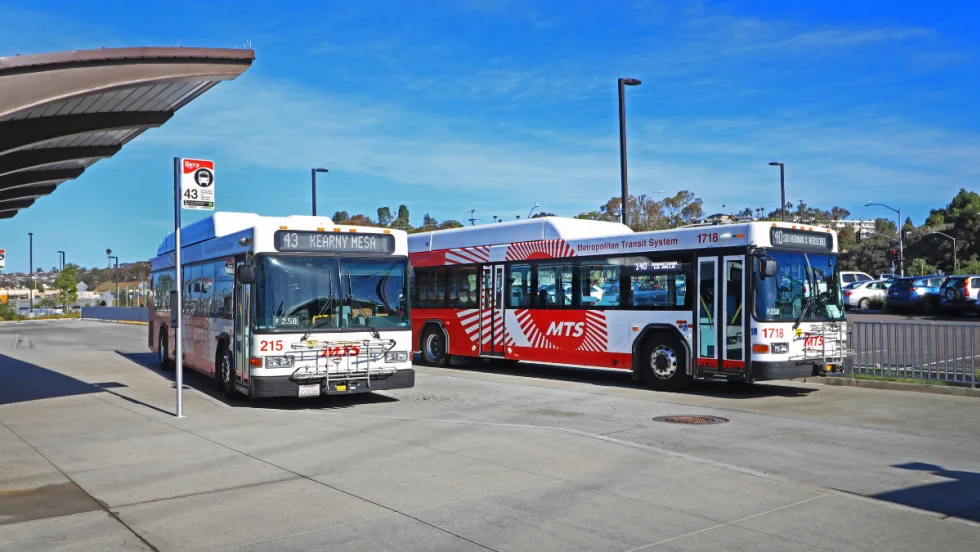
What’s Behind San Diego MTS’s Award-Winning Transit Strategy
Named one of APTA’s 2026 Outstanding Public Transportation Systems with 50 million or more annual passenger trips, California’s San Diego Metropolitan Transit System points to gains in ridership, safety, technology, and reliability as foundations of its success.
Read More →
Public Transit Conference Returning to GFX in 2027, Call for Papers Now Open
The Call for Papers is now open, allowing transit agency professionals and industry experts to help shape the PTC educational program by submitting session ideas for consideration.
Read More →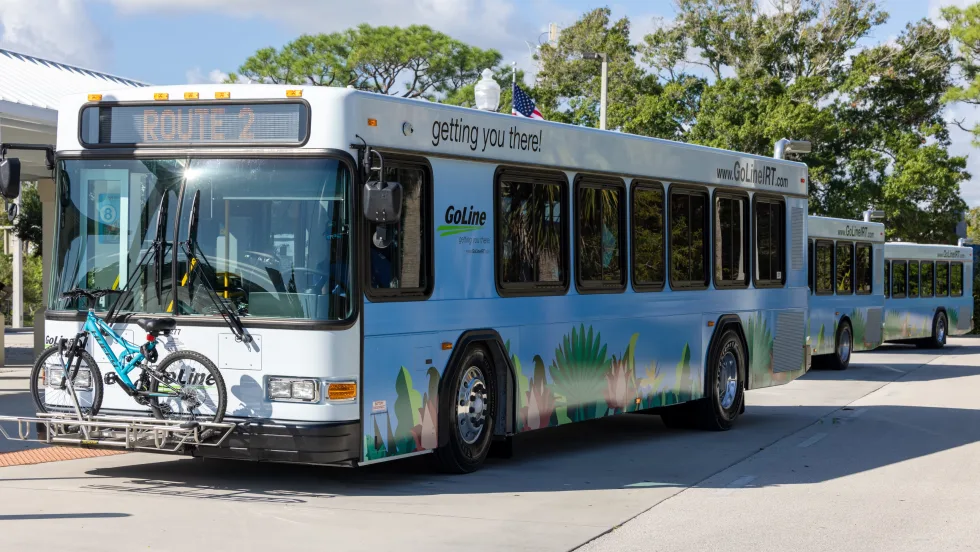
Indian River Transit’s Community-Focused Approach Earns National Recognition
Named APTA’s 2026 Outstanding Public Transportation System in its size category, Florida’s Indian River County transit system continues to grow ridership through fare-free service and a focus on evolving community needs.
Read More →
ENC Lands MATA Contract and More in Biz Briefs
In this edition of Biz Briefs, we spotlight the latest developments shaping the future of mobility.
Read More →From Surviving to Thriving: Building Stronger Transportation Organizations
Bus Business Consultants founder Brian Dickson shares lessons on leadership, organizational health, and creating options for long-term success in a changing transportation industry.
Read More →