



New York MTA to Replace Three East End LIRR Bridges
Each structure, built between 1895 and 1921, serves vehicular traffic over the LIRR’s Montauk Branch.

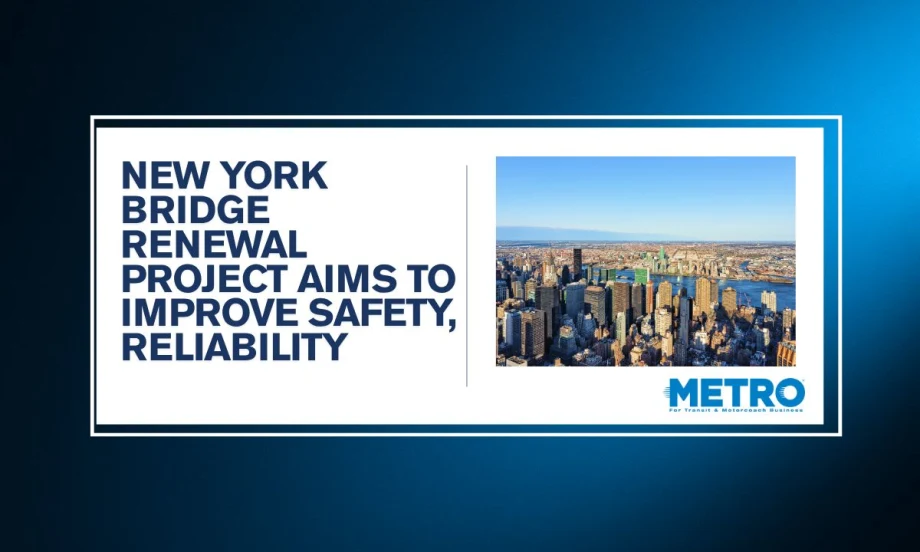
Because of structural deficiencies, two of the bridges — River Avenue and Cranberry Hole Road Bridge — are currently closed. Construction of new, safe, and modern bridges is expected to begin in the coming months.
METRO
- The New York MTA is preparing to replace three bridges on the East End of the Long Island Rail Road (LIRR) Montauk Branch.
- These bridges currently support vehicular traffic, ensuring essential transport connectivity in the area.
- The existing structures were originally constructed between 1895 and 1921, highlighting the need for modernization and safety improvements.
*Summarized by AI
New York Governor Kathy Hochul announced the Metropolitan Transportation Authority (MTA) awarded a contract to complete the design and reconstruction of three aging bridges that carry vehicular traffic over Long Island Rail Road (LIRR) tracks on the Long Island East End: Sagg Road Bridge in Sagaponack, Cranberry Hole Road Bridge in Amagansett, and River Avenue Bridge in Eastport.
“New York is making historic investments in Long Island’s infrastructure in ways big and small — from opening Grand Central Madison to delivering bridge upgrades that have been urgently needed for decades,” said Governor Hochul. “Credit to the MTA for stepping up and rebuilding these aging timber structures so that East End drivers will have modern, resilient bridges over LIRR tracks that will last for generations to come.”
Impact of Bridge Program
Each structure, built between 1895 and 1921, serves vehicular traffic over the LIRR’s Montauk Branch.
Because of structural deficiencies, two of the bridges — River Avenue and Cranberry Hole Road Bridge — are currently closed. Construction of new, safe, and modern bridges is expected to begin in the coming months.
“Rebuilding these overhead structures will strengthen these communities’ local roadway network with access to a safe, reliable road and will allow the LIRR to continue providing great train service to and from Long Island’s East End,” said Long Island Rail Road President Rob Free.
Bridge Work
The bridges are primarily timber-framed and have significantly deteriorated over time.
Despite maintenance and temporary repairs, their structural condition has been further compromised by large, overweight vehicles traveling across these bridges in violation of posted weight limits. As such, the Cranberry Hole Road and River Avenue Bridge have been closed to vehicular and pedestrian traffic since July 2023 and early 2024, respectively.
The new bridges will be designed to meet current roadway, structural, and railroad clearance requirements. Major work elements include demolition of the existing bridges, construction of new bridge structures and retaining walls, roadway reconstruction at bridge approaches, and drainage improvements.
Design completion is anticipated in January 2027, with demolition work beginning later this year, and the project is scheduled for completion by July 2028. The total project budget is $51 million.
Quick Answers
The bridges are being replaced as they are over 100 years old, having been built between 1895 and 1921, and likely require updates to meet modern safety and functional standards.
*Summarized by AI
More Management

Bus Tech Talk: Keeping Transit Technicians Ahead of the Technology Curve
In this episode of Bus Tech Talk, Complete Coach Works’ Business Development Manager Mark Hollenbeck and METRO’s Executive Editor Alex Roman sit down with Obed Mejia, Senior Technical Trainer for Bus Maintenance, at LA Metro to discuss how rapidly evolving bus technology is changing the maintenance shop — and the skills technicians need to keep pace.
Read More →
Michael Schneider Joins Paslay Group to Expand Transportation Practice
The longtime transportation executive will help Paslay Group grow its advisory and program management work across transit, highway, and other infrastructure sectors.
Read More →
People Movement: Connectpoint Expands Leadership Team, Stadler Names New Group CEO, and More
In this edition, we also spotlight recent personnel moves at Burns, UZURV, and more, highlighting the people taking on new roles across the transportation industry.
Read More →
More Than a Summer Job: Building the Next Generation of Transit Talent
The Delaware River Port Authority and PATCO have transformed their internship program into a hands-on professional development experience that introduces students to the breadth of transportation careers — and creates a pipeline for future employees.
Read More →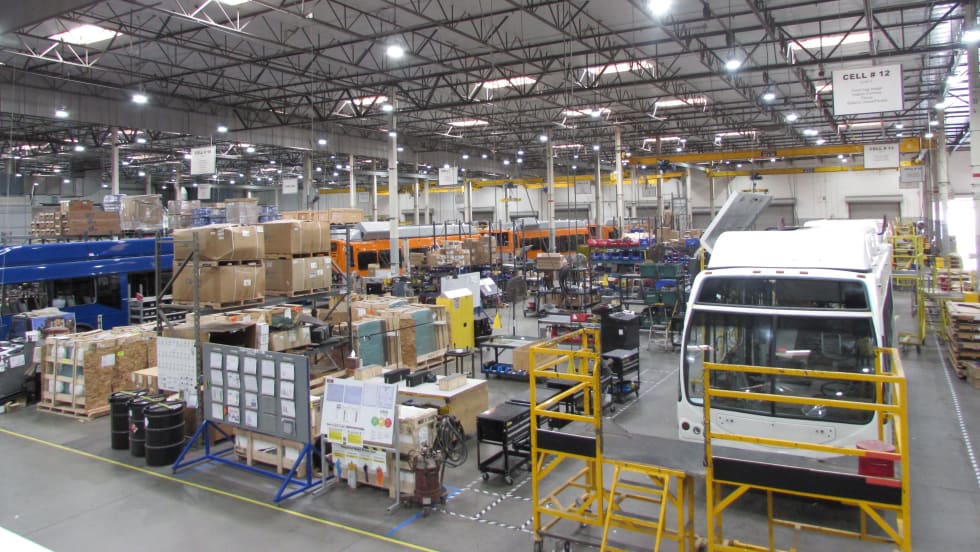
LA Metro Board Awards 220 Battery-Electric Bus Contract to ENC
The contract, which is the largest base award of battery-electric buses by a U.S. transit agency, will be built in Southern California, sustaining good jobs as LA prepares to welcome the world in 2028
Read More →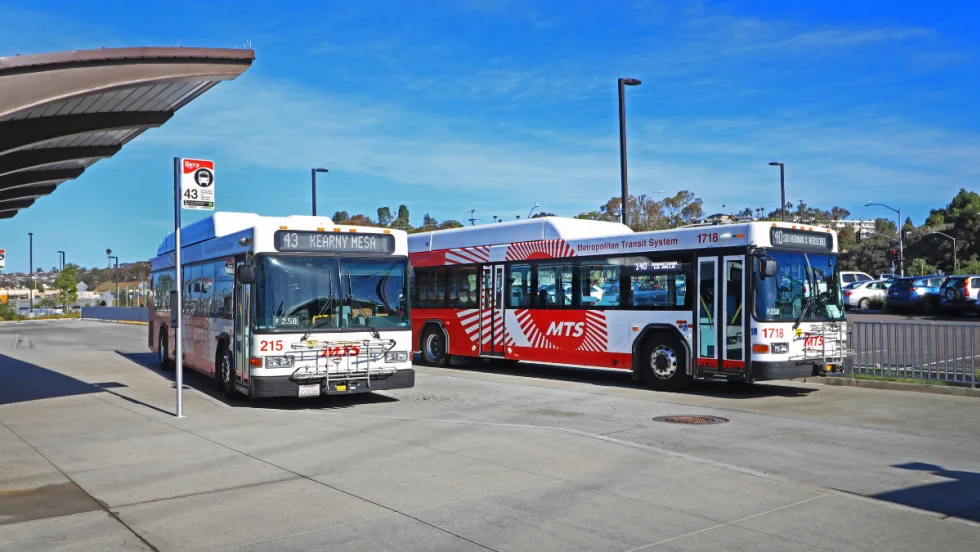
What’s Behind San Diego MTS’s Award-Winning Transit Strategy
Named one of APTA’s 2026 Outstanding Public Transportation Systems with 50 million or more annual passenger trips, California’s San Diego Metropolitan Transit System points to gains in ridership, safety, technology, and reliability as foundations of its success.
Read More →
Public Transit Conference Returning to GFX in 2027, Call for Papers Now Open
The Call for Papers is now open, allowing transit agency professionals and industry experts to help shape the PTC educational program by submitting session ideas for consideration.
Read More →
Indian River Transit’s Community-Focused Approach Earns National Recognition
Named APTA’s 2026 Outstanding Public Transportation System in its size category, Florida’s Indian River County transit system continues to grow ridership through fare-free service and a focus on evolving community needs.
Read More →
ENC Lands MATA Contract and More in Biz Briefs
In this edition of Biz Briefs, we spotlight the latest developments shaping the future of mobility.
Read More →From Surviving to Thriving: Building Stronger Transportation Organizations
Bus Business Consultants founder Brian Dickson shares lessons on leadership, organizational health, and creating options for long-term success in a changing transportation industry.
Read More →